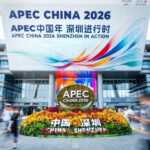
APEC matters to Thailand because its regional trade links support businesses, jobs, and economic ties across the Asia-Pacific. The 2026 APEC Economic Leaders’ Meeting is scheduled for November 18–19 in Shenzhen, China, where leaders will set the forum’s direction for regional cooperation.
APEC can encourage practical collaboration, but its commitments are voluntary, so summit discussions don’t guarantee new rules or market access. The announced priorities include openness, innovation, and cooperation, with topics such as digital trade, supply chains, and sustainable growth still under discussion. For Thai businesses and policymakers, the value will depend on which ideas lead to follow-up and practical changes. First, it helps to understand what APEC can do and where its limits lie.
Key Takeaways
- Shenzhen will host the APEC Economic Leaders’ Meeting on November 18–19, 2026. Leaders are expected to focus on openness, innovation, and cooperation.
- APEC discussions cover digital trade, supply-chain resilience, the FTAAP agenda, and sustainable growth, but these topics are not yet binding summit outcomes.
- APEC economies accounted for 72.24% of Thailand’s global trade in 2025, making regional cooperation commercially significant for Thai exporters and businesses, according to Thailand’s APEC trade briefing.
- Thailand could benefit from progress on digital trade, food security, SME development, and fewer regulatory barriers. Gains will depend on member economies following through on voluntary commitments.
What APEC Does and Why the Shenzhen Summit Matters for Thailand
APEC brings together 21 economies around shared economic concerns, including trade, investment, and regional integration. Its annual leaders’ meeting in Shenzhen gives Thailand a place in discussions that shape regional priorities, even though it cannot guarantee new trade rules or market access.
How APEC helps 21 economies work together
APEC is a forum for cooperation, not a single-market agreement. Its members discuss ways to make trade and investment easier across the Asia-Pacific, while coordinating on practical issues such as digital trade, energy, health, and support for small businesses. This gives economies with different systems a regular place to identify shared problems and explore common approaches.
The work continues throughout the year. Officials and experts develop proposals, exchange information, and advance priorities through working groups and other meetings. Then, at the annual summit, leaders set broad direction and signal which issues deserve attention. APEC’s overview of how the forum operates describes this year-round process.
For Thailand, the Shenzhen summit matters because regional cooperation affects the conditions under which Thai companies trade and invest. The meeting can focus leaders’ attention on issues relevant to the wider Asia-Pacific economy, while Thai officials can bring national priorities into those discussions. The summit’s value will depend on whether its broad direction leads to useful follow-up by members.
Why APEC decisions are voluntary, not binding
APEC reaches decisions by consensus, and its commitments are voluntary rather than legally binding. Each economy has a say, and members aren’t required to accept treaty obligations through the forum. As APEC explains in its description of its decision-making process, this approach allows participants to work together while respecting their different views.
That flexibility helps members cooperate despite differences in economic systems and development levels. They can share practices and agree on common goals without first negotiating a binding regional agreement. However, consensus can also limit how far members are willing to go, and voluntary commitments don’t automatically change domestic rules.
Progress therefore depends on follow-through by each economy. Leaders may endorse a direction in Shenzhen, but officials and governments must carry it into later discussions and domestic action. For Thailand, the summit is a venue to influence shared priorities, while the practical effects will hinge on what members choose to implement.
What to expect at the 2026 APEC summit in Shenzhen
China will host the 33rd APEC Economic Leaders’ Meeting in Shenzhen on November 18–19, 2026. The CEO Summit is scheduled for November 17–18. The host theme and announced priorities offer a guide to the discussions, but they don’t amount to agreed policy or guaranteed trade changes.
The host theme and priorities: openness, innovation, and cooperation
China’s theme is “Building an Asia-Pacific Community to Prosper Together,” with three priorities: openness, innovation, and cooperation. Thailand’s Foreign Ministry has outlined China’s APEC priorities, which frame the host year’s economic discussions.
Openness points to continued work on trade and investment links across the region. For Thailand, stronger cooperation on trade could help businesses reach regional markets, though practical gains would depend on follow-through by individual economies.
Innovation puts attention on digital technology and new ways to support economic growth. Thai firms could benefit if members make it easier to conduct digital trade or share approaches to technology, including artificial intelligence. Cooperation, meanwhile, gives economies a forum to address shared challenges and pursue common priorities, even when their domestic policies differ.
Together, the three priorities set a broad direction for the year. They don’t promise new agreements, but they can shape which issues leaders and officials carry into later APEC work.
Trade, digital technology, supply chains, and sustainability on the agenda
The announced agenda includes support for an open, rules-based trading system and continued discussion of the Free Trade Area of the Asia-Pacific, or FTAAP. For Thailand, progress on these topics could help advance regional trade integration, but APEC discussions alone won’t create new market access.
Members are also expected to discuss connectivity and supply chains that can better withstand disruption, alongside digital transformation and AI. These issues matter to Thai businesses that rely on cross-border trade, investment, and digital services. Sustainable and inclusive growth is another stated area of focus, linking economic development with broader participation and environmental goals.
The CEO Summit’s reported topics include the Greater Bay Area, FTAAP, connectivity, AI, the digital economy, and sustainable development. Its schedule places business discussions on November 17–18, just before and during the leaders’ meeting.
These are areas for discussion, not guaranteed outcomes. APEC commitments are voluntary, so any benefit for Thailand will depend on whether members turn shared priorities into practical steps, such as easier digital trade or stronger regional connections.
Why the Shenzhen summit matters to Thailand’s economy
Thailand’s economic stake in the Shenzhen summit is clear: trade with APEC economies accounts for a large share of the country’s international commerce. The meeting could also give Thai officials and businesses a chance to discuss practical ways to reduce friction in regional trade. Those discussions may inform future cooperation, but they don’t guarantee new market access or immediate gains.
What closer regional trade could mean for Thai exporters
APEC economies accounted for 72.24% of Thailand’s global trade in 2025, totaling THB 16.3 trillion (USD 495 billion), according to Thailand’s APEC trade briefing. This is Thailand’s combined trade with all APEC economies, not bilateral trade with China. The figure shows why regional processes matter to Thai exporters, from manufacturers shipping components to food producers serving overseas buyers.
Trade facilitation discussions can focus on making border procedures easier to manage. If economies cooperate on customs processes, documentation, and regulatory practices, businesses may face fewer delays and less uncertainty when moving goods across borders. For smaller exporters, clearer procedures can also make it easier to assess the time and cost of entering a regional market.
Digital trade is another practical issue. Better alignment on digital documents and cross-border data processes could help companies handle transactions more efficiently. However, APEC discussions do not automatically harmonize national rules. Thailand’s participation in the 2026 trade ministers’ meeting included work on digital trade and sustainable commerce, as described in Thailand’s account of the meeting.
The FTAAP agenda could also keep long-term regional integration on the table. It is a continuing discussion, not a completed free-trade agreement. For Thai exporters, its relevance lies in whether members identify workable ways to make rules more predictable and trade less cumbersome over time.
Why China, Shenzhen, and the Greater Bay Area matter
China is a major trade partner for Thailand, while Shenzhen is one of its prominent technology and business centers. The city is part of the Guangdong-Hong Kong-Macao Greater Bay Area, a region associated with technology, manufacturing, and cross-border business activity. Holding the summit there places regional leaders and business representatives close to companies and supply chains operating in this economic center.
For Thai firms, the setting may create opportunities to meet potential partners and learn more about regional business priorities. Discussions on artificial intelligence, digital trade, and connectivity may also help companies identify areas for collaboration or supply-chain links. These are possibilities for engagement, not guaranteed deals. Any commercial benefit will depend on the relationships businesses build and whether policy discussions lead to practical follow-up.
How Thailand can turn APEC discussions into practical gains
For Thailand, the value of the Shenzhen summit will depend on what officials and businesses do after the discussions. The priorities are clear: help Thai firms compete in regional markets, reduce avoidable trade friction, and connect growth with broader participation.
Build on Thailand’s strengths in food, agriculture, and SMEs
Thailand has highlighted food security, high-value agriculture, and small and medium-sized enterprise development as areas for APEC cooperation. Regional connections could help Thai producers reach buyers, learn about demand, and build partnerships across supply chains. For smaller firms, clearer information about export procedures and contacts in target markets can make expansion less costly to explore.
Still, regional interest alone won’t bring orders. Food and agricultural businesses must meet each market’s safety, labeling, and certification requirements, while managing freight, packaging, and compliance costs. Government support is most useful when it helps firms understand those requirements and gives SMEs access to practical export guidance.
Use digital trade and supply-chain work to reduce friction
Thailand has also called for stronger digital and green supply chains and fewer regulatory differences. If economies compare procedures and identify workable areas for cooperation, companies could spend less time handling inconsistent documents or navigating unclear rules. Better-connected supply chains may also help firms respond when transport routes or inputs are disrupted.
Digital transformation and AI are further areas for discussion. Cooperation could help businesses share knowledge and improve productivity, especially when smaller firms lack the resources to test new systems on their own. However, these discussions should not be mistaken for agreed regional rules. Companies will still need to follow each market’s laws, and any benefit will depend on whether governments act on proposals.
Advance inclusive and sustainable priorities, including BCG
Thailand’s Bio-Circular-Green (BCG) Economy agenda links economic activity with more efficient use of biological resources, materials, and energy. The Thai government’s Voluntary National Review describes the BCG model as an approach that uses technology and innovation. Thailand has also put forward the APEC BCG Award and inclusive employment as priorities for cooperation.
These proposals connect sustainability with practical economic questions, including how firms use resources and who gains access to jobs. The distinction matters: a Thai proposal or ongoing national initiative is not automatically an APEC-wide measure. Progress will depend on member economies choosing to support specific activities and apply them at home.
Know the limits: APEC cannot guarantee implementation
APEC consensus and nonbinding commitments can build shared direction, but they don’t guarantee aligned regulations, market access, or delivery. Thailand’s officials should track whether summit discussions lead to clear follow-up plans, named responsibilities, and continued work after Leaders’ Week.
Businesses should watch for concrete changes, such as simpler procedures or clearer digital requirements, rather than relying on broad statements of intent. That distinction will show whether regional discussion is reducing real costs for Thai companies.
Frequently Asked Questions
The summit’s commercial impact will depend on what happens beyond the leaders’ meetings. These answers clarify how businesses can follow the discussions and what to watch afterward.
What is the APEC CEO Summit?
The CEO Summit is a business-focused event held alongside Leaders’ Week. In Shenzhen, it’s scheduled for November 17–18, 2026, and its reported topics include digital trade, connectivity, and artificial intelligence. The 2026 APEC host site provides event information as details are announced.
How is the CEO Summit different from the leaders’ meeting?
The CEO Summit brings business perspectives into the host year’s discussions, while the Economic Leaders’ Meeting brings together leaders from APEC’s member economies. Their schedules overlap on November 18, but the meetings have different participants and purposes. Business event access and registration depend on details from the organizers.
Could Thai companies find partners during APEC Leaders’ Week?
Leaders’ Week may create chances for companies to connect with regional businesses, but attendance alone doesn’t guarantee meetings or deals. Firms interested in participating should follow organizer announcements and prepare clear goals, such as finding a supplier, buyer, or digital trade partner.
What should Thai exporters watch for after the summit?
Look for follow-up on practical issues raised in Shenzhen, including digital trade, supply-chain cooperation, and trade facilitation. APEC’s updates on trade and AI cooperation can help readers track ongoing work. For exporters, the key test is whether discussions lead to clearer procedures or other changes they can use.
How can small Thai businesses prepare for possible regional opportunities?
SMEs can start by identifying target markets and checking the relevant customs, product, and digital trade requirements. They should also follow announcements from Thai government agencies after Leaders’ Week, since any new guidance or support will depend on what Thailand and other economies choose to pursue.
The Shenzhen summit gives Thailand a place to shape regional discussions on trade, digital change, and supply-chain resilience. Those issues matter to Thai companies because APEC economies account for a substantial share of the country’s trade. Still, participation in the forum does not guarantee new market access or changes to business rules. APEC works through consensus and voluntary cooperation, so any practical benefit depends on members carrying discussions into follow-up work and domestic action.