Chiang Mai’s Rice Festival 2026 brings rice producers and potential buyers together in Chiang Mai, offering a closer connection to the people behind the crop. The announced stop runs November 12–15 at Jing Jai Market and focuses on business matching.
For visitors, the distinction matters: the confirmed details describe a buyer-focused event, while a public festival program and its activities haven’t been outlined. You can get a sense of how producer-buyer connections feature in other local events, including the Chiang Mai Highland Ethnic Festival. Here’s what’s confirmed about the rice fair and what remains to be announced.
Key Takeaways
- Chiang Mai’s Rice Festival 2026 is scheduled for November 12–15 at Jing Jai Market in Chiang Mai.
- The Chiang Mai stop is described as a business-matching event, connecting rice producers with hotels, restaurants, supermarkets, organic shops, and food businesses.
- Organizers have not confirmed local participants, rice varieties, opening hours, admission details, or a public activity schedule.
- The Bangkok fair’s farmer groups, tastings, and workshops are documented separately, so they shouldn’t be assumed to appear in Chiang Mai.
What’s confirmed about Chiang Mai’s Rice Festival
Chiang Mai’s Rice Festival 2026, also known as เทศกาลข้าวประณีต, is scheduled to bring a rice industry event to Chiang Mai in November. The confirmed details point to a business-focused gathering, while the public-facing program remains unannounced.
Dates, venue, and the event’s stated purpose
The Chiang Mai stop is scheduled for November 12–15, 2026, at Jing Jai Market. The announcement describes it as a “Business Connect” event, with a focus on linking rice producers to potential buyers and trade partners.
The intended buyers include hotels, fine-dining restaurants, premium supermarkets, organic-product shops, and businesses in the food and health sectors. The stated goal is to expand sales opportunities and help producers make commercial connections. In that respect, the Chiang Mai event differs from a confirmed public festival schedule: the information available describes business matching, not a set of activities for general visitors.
Other northern Thai events have also used business matching to connect farmers with buyers, such as Northern Fruit Connect 2026 in Chiang Rai. That provides regional context, but it does not confirm any additional Chiang Mai’s Rice Festival activities.
What is still unknown about the Chiang Mai program
The announcement leaves out several details visitors and rice buyers may want before deciding to attend. It does not name participating Chiang Mai farms or cooperatives, identify rice varieties, or provide a detailed public schedule.
There are also no confirmed opening hours or admission details. While the fair’s earlier Bangkok event included consumer activities, those offerings do not establish what the Chiang Mai stop will include. Don’t assume that tastings, workshops, producer talks, or the same farmer groups will be part of the local program unless a later announcement confirms them.
For now, the reliable planning details are limited to the dates, venue, and business-matching focus. Check for a current event update before making plans, especially if you’re attending as a visitor rather than as a buyer or trade partner.
How the fair could help local rice producers find new buyers
Chiang Mai’s Rice Festival 2026 is described as a business-matching event, so its potential value lies in helping producers speak directly with prospective buyers. Those conversations could help farmers explain what makes their rice distinctive and learn whether a buyer’s needs fit their crop. The announcement states an aim, not confirmed sales or partnerships, and it does not name participating Chiang Mai producers.
Why meeting buyers directly can matter to farmers
A direct conversation gives a producer room to explain a rice’s origin, growing practices, quality, and best uses. That context may help a buyer assess whether the product fits a menu, retail shelf, or other business need. Producers can also discuss practical details, such as available volume and how reliably they can supply it.
These discussions could point farmers toward sales channels that suit their products. For example, a producer might learn that a buyer wants a particular quality or quantity, then decide whether that opportunity makes sense. The fair may also help both sides understand what they would need to discuss before moving toward a business relationship.
However, a meeting does not guarantee an order, a purchase price, or a lasting partnership. Those outcomes depend on the buyer’s requirements and the producer’s ability to meet them. Thailand’s wider rice market also shapes producers’ options, as described in this report on rice trade reforms and small businesses.
What buyers may be looking for
The announcement names hotels, fine-dining restaurants, premium supermarkets, organic-product shops, and food and health businesses as intended buyers. Each category may approach rice with different priorities. A restaurant could assess quality and how a rice works in its dishes, while a supermarket may consider the product’s retail fit and supply needs.
Volume can matter as much as product characteristics. A business may need a steady supply in quantities that match its operations, while a smaller buyer may have different purchasing needs. Producers can use conversations to learn what each buyer expects, then decide whether their current supply and quality are a match.
The announcement does not confirm that any particular buyer will attend or that specific deals will take place. It also does not identify the Chiang Mai farms, cooperatives, or rice varieties involved. For now, the fair’s stated role is to connect producers with potential commercial partners, not to promise a particular sales result.
What the Bangkok launch reveals, and what it does not confirm for Chiang Mai
The Bangkok edition offers a useful example of how KHAOPRANEAT presented rice to visitors, but it does not establish the program for Chiang Mai. The two stops have different confirmed descriptions: Bangkok included consumer activities, while Chiang Mai is announced as a business-matching event.
Activities reported at the Bangkok fair
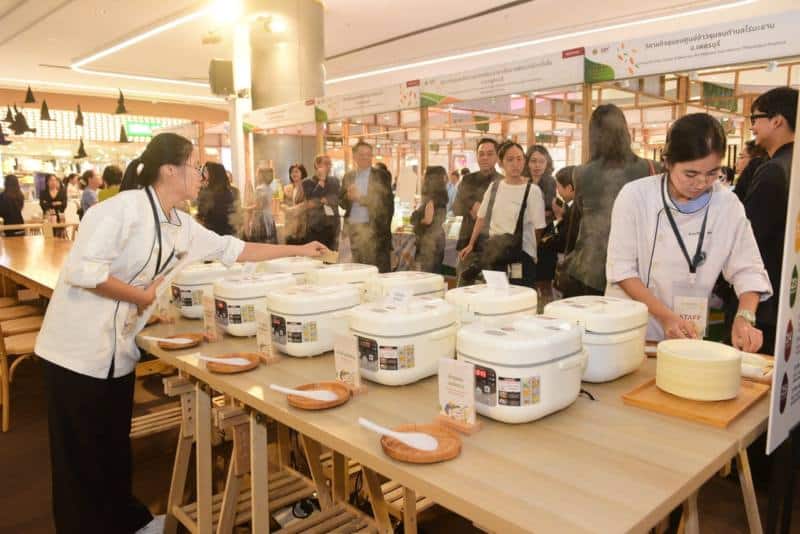
The first Chiang Mai’s Rice Festival ran October 22–25, 2026, at Parade Square on the G floor of One Bangkok. Its announcement reported that more than 30 farmer groups presented rice and related products, with sales exceeding 500,000 baht during the four-day event.
Visitors could taste rice and compare varieties by aroma and texture. The program also included rice pairings and conversations with producers about where their rice came from, what made it distinctive, and how to cook with it. A Praneat Stories stage shared information about growing areas and producer knowledge.
The Bangkok event also featured Praneat Studio sessions, which explored rice as an ingredient in foods and drinks. Reported examples included bread, fermented seasonings, chocolate, natural yeast, and rice tea. These details describe the One Bangkok fair only; they are not a preview of a confirmed Chiang Mai schedule.
Why local producer names and rice varieties need confirmation
The available announcement does not name the Chiang Mai farms or cooperatives taking part, and it does not identify the rice varieties they may present. Those details matter to visitors who want to support a particular producer, learn about rice grown in northern Thailand, or find a specific product to buy.
Producer names can help shoppers connect an event purchase with its source. Variety names matter too, since they give visitors a clearer way to ask about origin, cooking uses, and product availability. Without those specifics, readers can’t know which farms or types of rice the Chiang Mai event will feature.
The Bangkok report’s 30-plus farmer groups and its tasting and studio activities should not be attributed to the Chiang Mai stop. The local announcement describes a business-matching event at Jing Jai Market from November 12–15, 2026, but doesn’t confirm those participants, activities, or sales. Until organizers publish local details, treat Bangkok as a separate edition, not evidence of what visitors will find in Chiang Mai.
How to prepare for a visit and make the most of producer conversations
The Chiang Mai event is scheduled for November 12–15, 2026, but its announcement doesn’t confirm public access, hours, or visitor activities. Check the latest organizer updates before traveling, especially if you’re attending as a curious visitor rather than a trade buyer.
Check the latest details before you go
Confirm whether general visitors can attend or whether the event is limited to buyers and trade partners. Also look for published opening hours, admission or registration requirements, and a schedule of activities. The Chiang Mai announcement describes a business-matching event, so don’t assume the Bangkok edition’s tastings, workshops, or producer talks will be offered here.
If details remain unclear, contact the event organizer or Jing Jai Market through their official channels before making a special trip. Keep your plans flexible until access and timing are confirmed, and avoid relying on assumptions about tickets, transportation, or market entry.
Questions that help you learn about the rice
If producers are available to speak with visitors, ask questions that help you understand the rice’s source, handling, and uses. A short list on your phone can help you remember what you wanted to ask:
- Where was this rice grown, and what conditions are typical of the growing area?
- How is it grown, and are there particular methods or inputs the producer wants buyers to know about?
- When was it harvested, and how is the grain processed after harvest?
- What cooking method or water ratio does the producer recommend?
- How does the rice work in different dishes, or should it be served in a particular way?
- Is it available to buy today, and where can you purchase it after the event?
- Can customers buy directly from the producer, and what ordering or delivery options are available?
Answers can help you compare products without relying on variety names that haven’t been confirmed for the Chiang Mai event. If you find a rice you like, ask for the producer’s contact or sales details so you can check future availability and buy through a confirmed channel.
Frequently Asked Questions
The event announcement confirms its business-matching focus, but several practical details remain open. These answers separate what businesses can plan around from what still needs confirmation.
Has an organizer been named?
The announcement places Chiang Mai’s Rice Festival 2026 under a project to promote and develop markets for high-quality rice, but it doesn’t name a specific agency or company as the Chiang Mai organizer. Businesses looking for a contact person should wait for an organizer or official contact channel to be published rather than assume which organization is responsible.
Do buyers need to register or book meetings in advance?
No registration process or meeting-booking instructions appear in the available details. Since the Chiang Mai stop is described as Business Connect, prospective buyers should look for participant registration and meeting information before making plans. The announcement doesn’t confirm that scheduled one-on-one meetings will be available.
Will rice prices or purchase terms be published before the event?
The announcement doesn’t list prices, minimum order quantities, or payment terms. Those details may depend on each producer and buyer, so businesses should confirm them directly if organizers publish a participant list. For separate context on northern Thailand’s rice market, see this report on the Northern Thailand rice harvest; it doesn’t establish prices for the fair.
Can shoppers count on buying rice at the Chiang Mai event?
The available information doesn’t confirm retail sales or explain whether visitors can buy rice on site. The Bangkok launch included consumer sales, but that doesn’t establish the setup for Chiang Mai. Shoppers should check for a local product or vendor list before planning to purchase rice there.
Where can I check for an updated event listing?
A Chiang Mai rice festival listing gives the announced dates and venue. Check that listing and any organizer updates for changes or newly published visitor and business information. Until access rules and event logistics are stated, don’t treat a directory listing as confirmation of registration, admission, or operating hours.