
CHIANG RAI – Boiling well water will not remove toxic arsenic found at dangerous levels in three major Chiang Rai rivers, Public Health Minister Phatthana Phromphat warned residents this week. Contamination in the Kok, Sai and Ruak rivers has reached concentrations high enough to harm human health over time.
The alert affects thousands of border-area households and riverside farmers across Chiang Rai and Chiang Mai provinces. While municipal tap water treated by the Provincial Waterworks Authority remains safe to drink, rural village water systems draw closer to untreated sources and require frequent testing. Health officials urged farmworkers to wear protective gloves and boots in flooded fields and told anyone suffering severe diarrhea or vomiting to see a doctor immediately.
Key Takeaways
- Boiling fails against metals: Heating water kills bacteria, yet it cannot remove arsenic or heavy metals—and actually concentrates toxins as steam escapes.
- Tap water vs. village supplies: Treated provincial tap water meets safety standards, while community-run village water systems need regular laboratory screening.
- Farm and health precautions: Agricultural workers must wear boots and gloves to block skin contact, and residents with severe vomiting or diarrhea need prompt medical care.
Why Boiling Water Makes Metal Contamination Worse
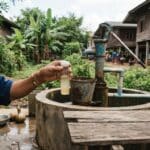
Many rural households instinctively boil cloudy river or well water during pollution alerts. That habit backfires when heavy metals are involved. Phatthana stressed that boiling destroys biological pathogens like bacteria and parasites, yet leaves dissolved elements like arsenic completely intact. As clean water evaporates into steam, the remaining liquid holds an even higher concentration of poison.
Chronic exposure to arsenic damages the skin, liver, kidneys and nervous system, even when daily doses cause no sudden illness. Provincial tap systems rely on specialized chemical coagulation and filtration to strip metals out before water reaches household pipes. Smaller village waterworks often lack those industrial filtration stages, leaving residents exposed unless local officials test supplies frequently and switch to clean alternative sources.
Upstream Mining Fuels a Cross-Border Crisis
The health ministry’s warning follows more than a year of escalating cross-border pollution flowing into northern Thailand from Myanmar’s Shan State. Water quality monitoring by Thailand’s Pollution Control Department previously detected arsenic levels up to 30 times the national safety standard in raw border river water. Environmental investigators and regional researchers have linked the toxic runoff to unregulated gold and rare-earth mining operations along the upper reaches of the Sai and Kok rivers.
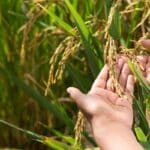
That contamination has already crept beyond riverbanks into northern Thailand’s food supply and shallow aquifers. Recent sampling found arsenic exceeding safety limits in northern Thai groundwater, while agricultural studies warned that irrigating fields with tainted water threatens more than 16,000 hectares of rice farmland. Laboratory tests conducted by Mae Fah Luang University researchers also detected elevated arsenic accumulation in local schoolchildren and riverside residents, underscoring how steady exposure builds up quietly inside border communities.
Protecting Farmers and Recognizing Early Symptoms
Daily farm work along the Kok, Sai and Ruak basins makes complete avoidance difficult for agricultural growers. Farmers regularly wade into irrigated paddies and muddy riverbanks where heavy metals settle in river sediment. Health officials advised growers to wear waterproof boots and protective gloves whenever handling river water or wet soil, and to wash exposed skin thoroughly with clean tap water afterward.
Doctors across Chiang Rai clinics and district hospitals are also watching for acute heavy-metal poisoning alongside routine waterborne stomach illnesses. Sudden bouts of severe diarrhea, persistent vomiting, sharp stomach cramps or unexplained skin rashes warrant immediate medical evaluation rather than home remedies. Residents who rely on private wells or village piped systems should use certified bottled water for drinking, cooking and making ice until local health teams clear their neighborhood supply.
Local public health teams in Mae Sai, Chiang Saen and Mueang Chiang Rai districts have stepped up field inspections to track village water quality and distribute protective gear to farm collectives. Health officials urged residents to report cloudy tap water or suspected illness directly to village health volunteers.