



Last Updated on May 10, 2026 by Jeff Tomas
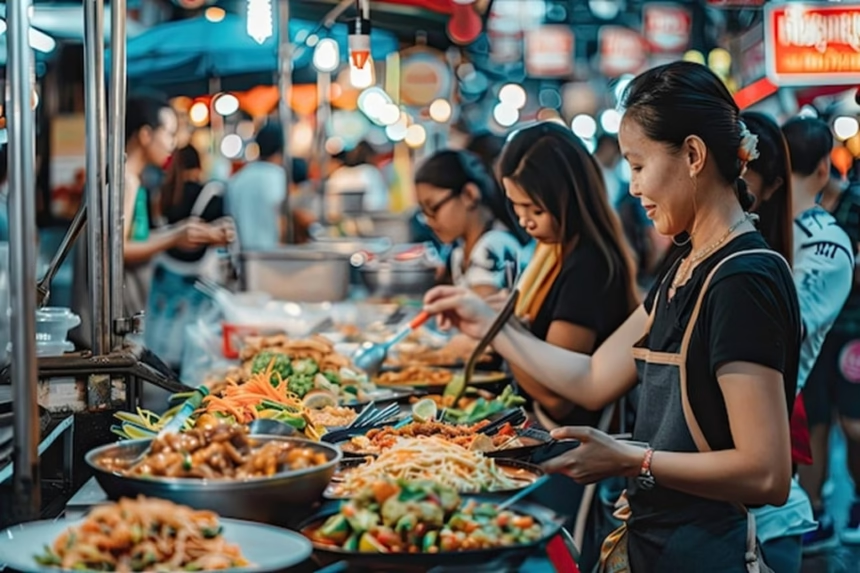
BANGKOK – For millions of people in Thailand, the daily routine starts and ends with a quick, affordable trip to a local street food cart. Whether it is a comforting bowl of chicken rice, a warm bag of soy milk in the morning, or a spicy plate of basil fried rice with a crispy fried egg on top, these “single-dish” meals are the heartbeat of the Thai diet.
Office workers, students, and laborers alike depend on these quick meals to keep them going. But lately, hungry customers are noticing something alarming when they reach into their pockets to pay. The prices are going up, and they are going up fast.
Thailand is currently facing a sharp increase in the cost of living. In fact, overall price increases in the country—known as headline inflation—just hit a 38-month high in April 2026. The main culprits behind this financial squeeze? A brutal combination of soaring energy costs and an extreme heatwave is wiping out fresh crops. Now, food vendors who have tried their hardest to keep prices low are being forced to pass their rising expenses directly to the consumers.
The End of Cheap Street Food?
If you walk through any busy outdoor market in Bangkok, the Northeast, or the Southern provinces, the story is the same. Food stall owners are crossing out old numbers and rewriting their menus with new, higher prices.
For years, vendors have tried to absorb the extra costs of cooking oil, fresh meat, and gas. They know their customers are working hard for their money, and they want to keep their loyal regulars coming back. But that careful balancing act has finally broken down.
Recent surveys of popular food items show that nearly one in ten standard dishes saw an immediate price bump this spring. In some parts of the country, the financial pain is even sharper. Down in the Southern region, some local food prices have skyrocketed by as much as 25%. In the Northeast and around the capital city of Bangkok, prices for ready-to-eat meals have jumped by about 15%.
When a simple plate of noodles or curry costs more, it hurts the average worker’s wallet almost instantly. These single-dish meals are not luxury items; they are basic daily needs. When their prices jump by five or ten baht a plate, it adds up quickly over the course of a week. It leaves families with much less money to spend on other important things, like rent, health care, or buying school supplies for their children.
A “Perfect Storm” for Food Vendors
To understand why that humble plate of food costs more today, we have to look at the journey it takes to get to the table. Food vendors are getting hit by rising costs from every single direction. It is what experts are calling a “supply shock” in the kitchen. The ingredients cost more, the fuel to cook them costs more, and the delivery fees are through the roof.
Here is a simple breakdown of the main problems street vendors and restaurant owners are facing right now:
- Cooking Gas: The liquid gas used to fire up the street-side woks and giant soup pots has become much more expensive, eating into the tiny profits vendors make on each meal.
- Fresh Ingredients: Extremely hot weather has damaged vegetable crops across the country. When there are fewer vegetables available to harvest, the price for the remaining ones shoots up at the morning markets.
- Meat Prices: The cost to feed and move farm animals has gone up. This means standard proteins like pork and chicken are much more expensive for the vendor to buy from the butcher.
- Transportation: Bringing fresh produce from rural farms to busy city markets requires fleets of trucks. Because diesel fuel prices have jumped, these delivery fees are higher than ever before.
Vendors simply cannot cover all of these extra bills themselves anymore. To keep their small businesses alive, they have no choice but to ask the customer to pay more.
By the Numbers: The 38-Month Record
The official government numbers back up exactly what regular people are feeling in the markets. According to the Trade Policy and Strategy Office (TPSO), Thailand’s headline inflation rate jumped to 2.89% in April 2026.
To put that in simple terms, the general cost of buying everyday items rose by nearly 3% compared to the exact same time last year. This is a massive leap from the very small 0.08% increase recorded just one month earlier in March. It is the highest level of price increases the country has seen in three years and two months.
While the cost of food is a big part of the daily problem, the sharpest pain in the overall economy is coming from the energy sector. Energy prices spiked by over 30% in April alone. This massive jump is largely tied to global issues, specifically the ongoing conflicts in the Middle East. When global shipping routes are blocked or delayed, the cost of oil goes up worldwide. That faraway global problem eventually trickles down to the local gas stations in Thailand, making everything more expensive.
Because fuel is so expensive, public transportation costs have also gone up. Bus fares and airplane tickets are more costly now, making it harder and more expensive for people to travel to work, send goods, or visit their families in other provinces.
The Double Hit: Fuel and Extreme Heat
While fuel prices are largely driven by events outside of Thailand, the country is also battling an enemy right at home: the weather. Thailand has been baking under extreme heat, and it is taking a heavy toll on the agriculture industry.
When the sun beats down relentlessly and rain is scarce, crops suffer terribly. Fresh vegetables, which are a vital part of almost every single Thai meal, are not making it to the harvest. The intense heat has reduced the volume of fresh produce entering the market. If you have ever tried to buy fresh herbs, morning glory, or cucumbers recently, you might have noticed the smaller bunches and the much higher price tags.
Even the animals are deeply affected. The heat makes it harder to raise poultry and pigs, and the cost of the daily feed they eat has also increased. Because of the heatwave and the high fuel costs, getting a chicken or a tray of eggs from a farm to a city market is now a very expensive process.
Recent reports confirm that both pork and fresh chicken egg prices have risen significantly because of these animal-feed and transport costs. The heat even makes farm workers need more water and cooling, adding further to the hidden costs of farming.
Are We Facing a Stalled Economy?
When prices go up very fast, economists start to worry about a situation they call “stagflation.” This is an economic term that means two bad things are happening at the same time: prices for everyday goods are rising rapidly, but the overall economy is not growing. People are not getting new jobs, and wages are staying flat.
Because everyday expenses are taking a bigger bite out of family budgets, people are forced to buy less of everything else. They might skip a weekend trip, delay buying new clothes, or cut back on household items. This slows down the whole economy. With the government expecting prices to climb even higher in May—possibly over 3%—the pressure on the average household is only getting heavier.
However, government officials have stepped in to calm the public. They have stated that while Thailand is currently dealing with high prices and slow growth, the country is not officially in stagflation.
They point out that people are still working, businesses are still operating, and the economy has not completely stopped growing. Still, for the average person struggling to pay for a simple daily meal, these official reassurances might not offer much comfort when their wallet is empty at the end of the week.
Looking Ahead: What Consumers Can Expect
So, when will the pain at the food cart finally end? Unfortunately, experts warn that the situation might not improve immediately. If global energy costs stay high, the prices of single-dish meals could rise by another 3% to 6% in the coming months. The higher costs could easily spread from tiny street food carts to larger sit-down restaurants, packaged snack foods, and standard grocery stores.
The Thai government is trying to find ways to help the public. There are plans in place to cap electricity rates for households that do not use a lot of power, which will offer some much-needed relief on monthly utility bills. There are also discussions about large loan programs designed to help restructure the economy and support small businesses, including those struggling food vendors who are fighting to keep their doors open.
But until the global oil markets finally settle down and the extreme summer heatwave breaks, Thai consumers will have to navigate a very challenging period. The golden days of grabbing a cheap, filling lunch for just a few baht might be put on hold for a little while.
For now, families are checking their daily budgets much more closely, hunting for the best deals, and hoping that their beloved local food stalls can somehow weather this storm without raising prices even more.
To further understand the economic pressures shifting daily expenses in the region, this news report on Thailand’s 38-month inflation peak provides excellent context on how global oil trends are directly impacting the local cost of living.


