CHIANG RAI— Wholesale buyers across central Thailand are canceling orders for Chiang Rai rice and freshwater fish, rejecting harvests even from farms miles outside contaminated river zones as heavy metal pollution enters its second year.
The market freeze hits peak harvest season just days before civic groups march to the Myanmar border in Mae Sai on Sunday, Nov. 22. Ahead of the rally, local academics are pressing Bangkok to establish a dedicated incident command center built around strict 10-day, 20-day, three-month and six-month cleanup benchmarks, while growers warn that blanket buyer stigma is now draining their incomes as fast as the toxins themselves.
Key Takeaways
- Wholesale rice traders and vegtable vendors are halting Chiang Rai purchases provincewide, penalizing clean farms alongside fields along polluted waterways.
- University researchers are urging officials to launch an incident command center with 10-day, 20-day, three-month and six-month response targets ahead of Sunday’s Mae Sai border protest.
- Tests have detected arsenic levels in raw Sai River water up to 25 to 30 times above safety limits, forcing tap water suspensions for over 20,000 households.
Stigma Outpaces Contamination Across Clean Farms
Panic has outrun geography in northern Thailand’s rice bowl. Exporters and central Thai grain brokers began freezing harvest contracts this week after unverified rumors of widespread arsenic tainting swept commodity networks. Growers who irrigate exclusively from rain-fed reservoirs or deep wells say buyers are refusing their paddy simply because the sacks carry a Chiang Rai origin stamp.
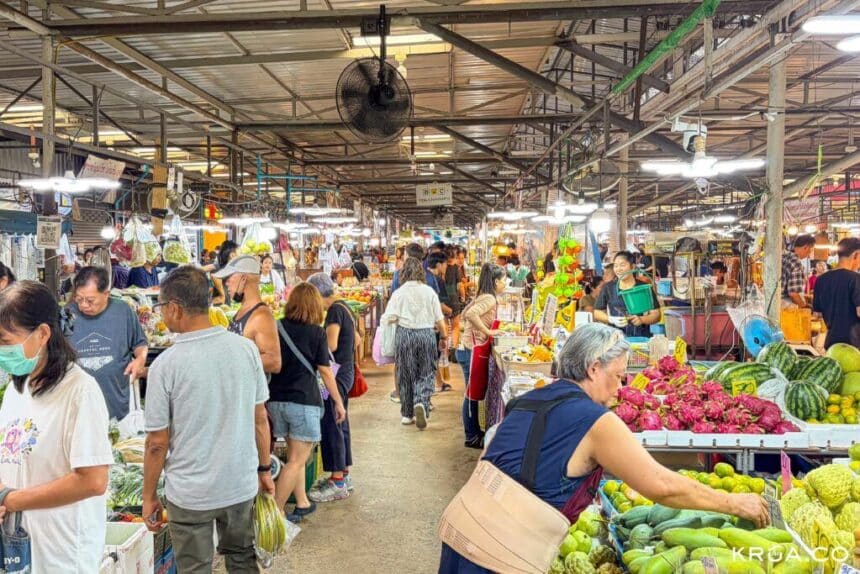
Freshwater aquaculture faces the same blanket rejection. Market vendors in Mae Sai report that local vegetable sales have dropped by half while shoppers shun wild-caught river species like carp and catfish. Some fish sellers have resorted to trucking in uncontaminated groundwater from private home wells just to keep holding tanks running and reassure hesitant customers.
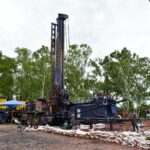
To separate safe harvests from tainted plots, the Ministry of Agriculture and Cooperatives announced plans this week to map Chiang Rai farmland into safe, monitoring and high-risk red zones, following preliminary soil checks that found elevated arsenic in roughly 20% of sampled plots across the Kok, Sai and Ruak river basins.
Upstream Mining Fuels a Transboundary Crisis
The commercial backlash stems from nearly two years of unchecked industrial runoff flowing south from Myanmar’s Shan State. Chemical analysis and satellite modeling by researchers at Naresuan University traced the heavy-metal sediment to intensive gold and rare-earth mining operations across the border, where armed militias and mining syndicates extract minerals with little environmental oversight.
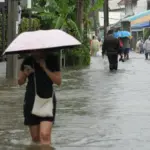
The crisis escalated sharply this month when tests recorded arsenic concentrations in untreated Sai River water at 25 to 30 times the safe drinking standard. The spike forced authorities to suspend municipal tap water across 14 Mae Sai villages, leaving more than 20,000 households reliant on emergency water trucks and bottled supplies.
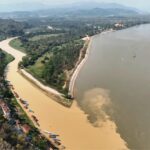
Because the Sai and Kok rivers feed directly into the Ruak and Mekong rivers, toxic silt has migrated into shallow village wells and fisheries far downstream. Civic leaders argue that diplomatic talks between Bangkok and Myanmar have stalled, leaving Thai border communities to absorb the environmental and financial fallout of global mineral supply chains.
Academics Propose Phased Command Center Ahead of Rally
Frustrated by fragmented agency responses, northern conservation groups and residents will march to the First Thai-Myanmar Friendship Bridge in Mae Sai on Sunday. Niwat Roykaew, chairman of the Chiang Khong Conservation Group, warned that stalling on cross-border enforcement threatens both current farm livelihoods and future generations.
To turn street pressure into measurable action, Neramit Chitraksa of Chiang Rai Rajabhat University has proposed a single incident command center operating on four fixed deadlines: immediate emergency water relief within 10 days, comprehensive crop and well testing within 20 days, alternative irrigation infrastructure within three months and formal transboundary source controls within six months. Without clear certification and rapid remediation, farmers warn that Chiang Rai’s agricultural reputation will remain collateral damage long after the river water clears.
Trending News:
Toxic Rivers Poison Chiang Rai Thailand”s Farms and Future
Arsenic Fears Slash Mae Sai Vegetable Sales By 50 Percent