
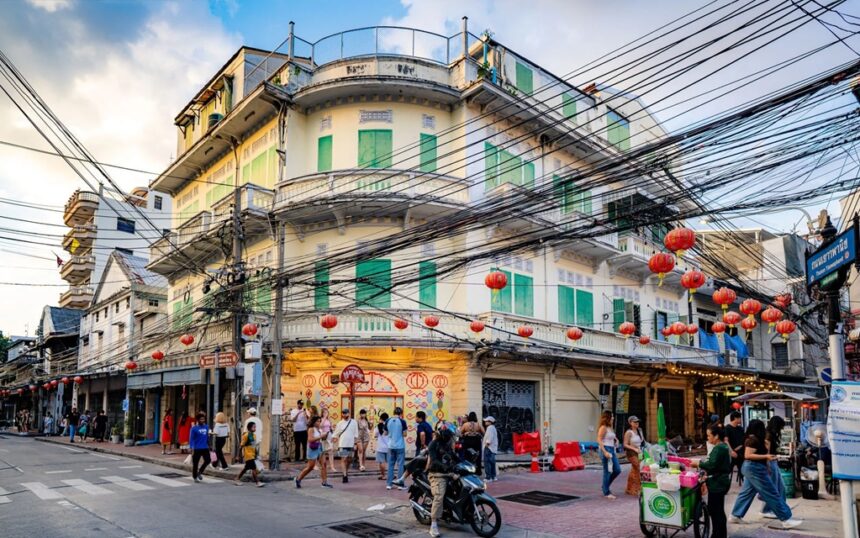
BANGKOK — Global lifestyle magazine Time Out named Song Wat Road in Bangkok’s historic Chinatown the coolest street in the world for 2026 on Tuesday, beating 27 international contenders from London to Buenos Aires.
The 1.2-kilometer riverside thoroughfare along the Chao Phraya River topped the annual ranking after young creatives transformed its century-old warehouses into independent galleries, specialty cafes and design shops. Chiang Mai’s Chang Moi Road also landed on the list at No. 15, giving Thailand two spots in the global showcase that is expected to draw a fresh surge of international tourists to the capital’s old quarter.
Key Takeaways• Time Out ranked Bangkok’s Song Wat Road No. 1 on its 2026 list of the world’s 28 coolest streets, ahead of Golborne Road in London and Fernández de Enciso in Buenos Aires. • The local business collective Made in Song Wat has expanded from 10 to 60 members over four years, blending modern creative spaces with traditional family-run shops. • Chiang Mai’s Chang Moi Road placed 15th on the same global list, reinforcing Thailand’s growing appeal for neighborhood-level cultural tourism. |
Royal Roots and Riverside Revival
Song Wat Road owes its existence to an urban crisis more than a century ago. Following a devastating 1906 fire in the crowded Sampheng market district, King Rama V personally sketched the new street’s route on a city map to ease congestion and improve riverside trade. The Thai name Song Wat translates literally to “drawn by the king,” according to historical records.
For decades, the street functioned as a wholesale hub where Chinese-Thai merchants stored rice, spices and agricultural goods in European-influenced shophouses. Shipping eventually shifted to deeper modern ports, leaving many upper floors empty and quiet after sundown.
That lull ended when the third and fourth generations of local merchant families teamed up with incoming artists to form Made in Song Wat. Over the past four years, the collective grew from 10 founding members to 60 participating businesses, organizing neighborhood art walks and pop-up markets without displacing legacy tenants.
Old Traders Meet New Creatives
Time Out’s global network of local editors evaluated streets based on food, drink, nightlife, street life and independent spirit. Aydan Stuart, deputy head of content for Time Out Thailand, noted that Song Wat thrives because century-old shophouses now hold specialty coffee roasters and indie art spaces right beside working spice wholesalers and traditional Teochew steamed bun stalls like Gu Long Bao.
Visitors walking the shaded lanes pass woven-basket shops, street murals and hidden bars like We Didn’t Land on the Moon Since 1987. International lifestyle brands have taken notice, hosting design exhibitions and pop-up events inside the weathered brick warehouses.
The neighborhood’s rise follows earlier international recognition. Time Out ranked Song Wat 39th among the world’s coolest neighborhoods in 2023, and the Ministry of Commerce launched a targeted tourism promotion campaign for the district in 2025 as foot traffic from Asian and European travelers climbed.
Managing Growth in a Historic District
Global accolades bring immediate economic opportunity alongside fresh operational pressures for a narrow, two-lane street built for horse carts rather than tour buses. Local shopkeepers already report weekend bottlenecks on sidewalks lined with parked delivery trucks and pedestrian crowds.
Unlike neighboring Yaowarat Road, which transforms into a neon-lit street food corridor each night, Song Wat operates mostly during daylight hours, with several famed eateries selling out by noon. City planners and business owners face the challenge of absorbing higher visitor numbers while protecting the historic architecture and preventing steep rent hikes that could price out long-standing family trades.
Farther north, Chiang Mai’s No. 15 ranking for Chang Moi Road reflects a similar urban shift, where rattan craft shops and historic shophouses sit alongside modern cafes. Together, the two listings signal a broader pivot in Thai tourism, as travelers look beyond major temple circuits and shopping malls toward walkable, heritage-rich city blocks, according Thailand’s official government portal.