
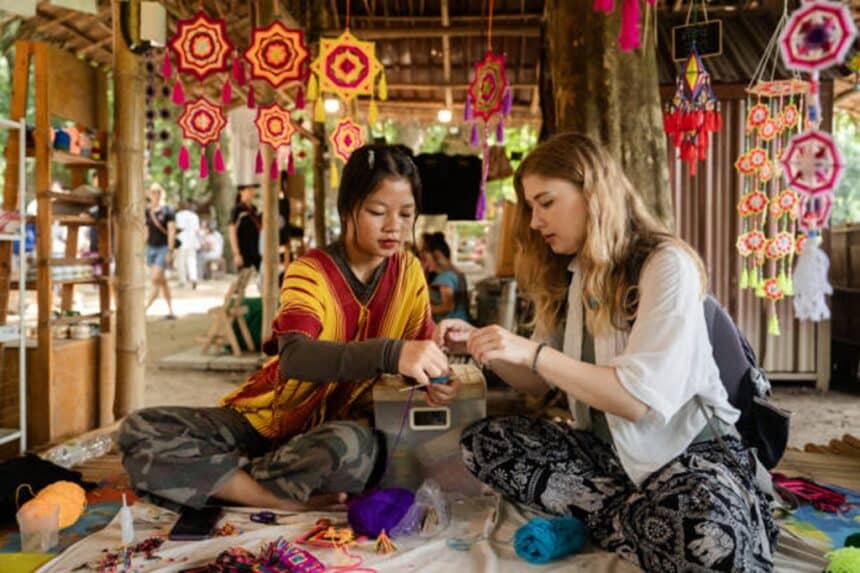
Learning a hands-on skill in Thailand can bring you closer to the makers who keep local craft traditions alive. Workshops range from brief, beginner-friendly sessions to longer classes, so the right fit depends on your route, available time, budget, and interests.
You might try weaving in the north or look for another craft offered near your destination. Before booking, check what the session includes and how long it takes; when you shop for handmade work, consider the time and skill behind each piece and ask before taking photos.
The sections ahead cover regional craft examples, booking details, costs, and ways to take part respectfully.
Key Takeaways
- Choose a craft workshop that fits your route, available time, budget, and interest, then check what the fee includes before booking.
- Thailand’s craft experiences vary by region and material; Sukhothai, for example, offers traditional chinaware engraving.
- In the north, visitors can learn about Chiang Rai’s weaving traditions and find handmade work at local markets.
- Ask permission before taking photos, follow the maker’s instructions, and allow enough time to learn the process rather than rushing to finish.
- Buying directly from local artisans supports their work, while choosing pieces you’ll use helps make a thoughtful souvenir.
What to Expect From Craft Workshops in Thailand
Craft experiences in Thailand can involve making an item, watching a skilled maker at work, or browsing handmade goods. Before booking, check which format you’re choosing and what the fee covers. A typical hands-on session starts with a short demonstration, then gives you time to try the technique and make a small piece to take home.
Choose a hands-on class or a craft village visit
A guided class suits visitors who want to learn a specific skill and take part themselves. Depending on the craft, an instructor may show you how to weave, decorate a lantern, or shape a simple item before you try. For example, Chiang Mai weaving and embroidery classes offer a chance to learn directly from local makers.
Studio sessions tend to focus on one craft in a dedicated workspace. They can work well if you want a structured activity without traveling to a village. In contrast, a visit to a working craft community may include a demonstration, time to meet makers, or an opportunity to shop, but may not include a project for you to complete. Thailand’s tourism listings describe some craft centers as places to observe demonstrations and browse products, such as the Bang Sai Arts and Crafts Centre.
Ask whether you’ll make something or mainly watch. Also confirm the group size, teaching language, materials provided, and whether your finished piece is included. In Chiang Rai, visitors can also browse TANA’s locally made crafts, though a shopping visit differs from a workshop.
Match the workshop to your time and skill level
Short beginner sessions fit a busy itinerary and usually focus on one simple technique or small project. A half-day experience allows more time for instruction and practice, while a longer course may suit travelers who want to build a skill through repeated sessions.
Before booking, check the full time commitment, including transport and setup. Ask about standing, hand strength, or other physical demands, and confirm any age limits. Project difficulty can vary even within the same craft, so tell the provider if you’re new to it.
Most importantly, find out whether beginners can finish the project during the session. Some materials need extra drying or firing time, which means you may need to collect the item later or arrange delivery. These details help you choose an experience that fits your schedule and gives you a clear idea of what you’ll take home.
Craft Workshops in Thailand: Regional Crafts Worth Trying
Thailand’s craft traditions vary by region, so the experience depends on where you travel and what local makers offer. A class can introduce you to local materials and techniques, while a community showcase or craft hub may give you more time to meet artisans and see how their work fits daily life today.
Try northern textiles, weaving, and handmade crafts
Chiang Mai and Chiang Rai are good places to look for northern weaving and handwoven cotton. Some sessions may let visitors try basic techniques, while others focus on demonstrations or provide a chance to talk with the people who make the textiles. Ask what the activity includes before you plan around a class, since not every craft center offers hands-on instruction.
Local craft hubs and public showcases can also connect visitors with makers. Chiang Rai’s TANA, on Prasopsook Road near Bus Terminal 1, brings handmade goods from community producers together in one place. Browse woven fabrics, silk, clothing, and bags, and ask about the makers and materials behind a piece. TANA is a place to find local work, not a confirmed workshop venue. Its role in giving rural makers a sales outlet is part of a wider effort to support Chiang Rai craftspeople and basket weavers.
In Chiang Mai, exhibitions and community showcases can help explain how traditional patterns and skills appear in contemporary clothing and home goods. These settings offer context that a quick purchase may not: you can learn who made an item and how local design continues to change.
Explore ceramics, umbrellas, and other regional skills
Ceramics, umbrella making, woodwork, and silverwork are other traditions to look for as you travel. Northern Thailand is known for celadon ceramics, while Chiang Mai’s Bo Sang area is associated with handmade umbrellas. Some visitors can watch the process or paint an umbrella at a local center, but activities and availability vary. Check Bo Sang umbrella-making options before making a special trip.
Silverwork and woodcarving may appear in local studios, markets, or cultural displays, though a nearby shop does not necessarily teach the craft. Choose an experience based on what is actually offered along your route, then ask whether you will make an item, observe a demonstration, or simply browse. Wherever you go, asking who made a piece and who teaches the skill gives you a clearer connection to the people behind it.
How to Find and Book a Workshop That Fits Your Trip
Start with the craft you want to try and the destination already on your itinerary. Search for terms such as “weaving workshop Chiang Rai” or “umbrella painting near Chiang Mai,” then compare independent studios with community-run experiences. Thailand’s community tourism programs can include hands-on activities with local people, as described by the Designated Areas for Sustainable Tourism Administration.
Listings give you options, but they may not reflect current schedules, especially in smaller towns. Contact the provider directly before changing your route or paying a deposit. For a sense of how public events can connect visitors with regional makers, see our coverage of Chiang Rai’s Meaningful Tourism Festival.
Check what the fee includes before you reserve
A listed price may cover the lesson but leave out materials or delivery. Before you book, ask whether the fee includes tools, supplies, instruction, refreshments, and a finished item. If the work needs firing, drying, or extra finishing, find out whether you can collect it later or arrange shipping, and whether that costs more.
Also confirm the exact meeting point and total class length. A studio outside the town center can add significant travel time, particularly if your accommodation is far away. Check the start time, transport options, and whether you need to arrive early. These details help you fit the workshop into your day without rushing to the next stop.
Look for signs of a community-led experience
A thoughtful listing names the maker or teaching group, explains the technique, and describes how visitor spending supports local work. Some community programs also bring handmade goods from several villages into one place, giving makers a way to reach visitors. Ask who leads the session and how the fee is shared; a clear, respectful answer helps you understand the experience without relying on vague claims.
Before paying, get these details in writing:
- Which dates and start times are available?
- What is the exact meeting location?
- What language will the instructor use?
- How many people will join the group?
- Are materials and tools included?
- What are the cancellation and refund terms?
- Is transport provided, or should you arrange your own?
With those answers confirmed, you can choose a class that fits your schedule and supports the people sharing their skills.
Costs, Etiquette, and Taking Your Craft Home
A workshop’s listed fee is only one part of the cost. Ask what you’ll pay, how to take part respectfully, and what happens to your finished piece before you commit.
Budget for the full experience, not just the class
There’s no standard price for craft workshops in Thailand. The cost depends on the craft, session length, materials, location, and group size. Ask for the total price per person, then check whether premium materials, transport, refreshments, or postage cost extra.
A low fee may cover instruction and practice but not a finished piece to take home. Confirm what you’ll make and whether it’s included. Small studios may accept cash or use payment methods that differ from larger operators, so ask what works before arriving.
Respect the maker’s time, skills, and cultural knowledge
Follow the instructor’s directions, especially when using tools or working with materials that need careful handling. Ask before taking photos of the teacher, other participants, or the workspace. A working studio is someone’s workplace, not a photo set, so keep walkways clear and avoid interrupting demonstrations.
Wear practical clothing suited to the activity. For example, choose clothes that can get dusty or stained for pottery or dyeing, and follow any specific guidance from the instructor. When buying handmade work, pay the listed price if it feels fair. If bargaining is welcome, make one polite offer and accept the answer; these tips for haggling politely in Thailand can help keep the exchange comfortable.
Plan for fragile, bulky, or restricted items
Some pieces need time to dry, fire, or receive a final finish. Ask when they’ll be ready, whether you can collect them later, and how the workshop protects them for travel. If shipping is an option, get the cost and delivery estimate before deciding. For items you’ll carry, check your airline’s baggage size and weight limits, especially for bulky crafts or delicate ceramics.
Also ask what a piece is made from. Some natural materials and cultural objects may face export or import restrictions, even when bought as souvenirs. Check the rules for the exact item with the relevant authorities before packing it, using Thailand’s official list of restricted and prohibited goods as a starting point. Avoid products made from protected wildlife, and don’t rely on a seller’s assurance when an item’s material or status is unclear.
Frequently Asked Questions
A few practical details can change from one studio to another, even when the craft is similar. Confirm the class format and expectations with the provider before building it into your itinerary.
Can beginners join a Thai craft workshop?
Many visitor sessions welcome beginners, but the pace and finished project vary by craft and instructor. A short class may teach one basic technique, while a more detailed project could require prior experience or extra time. Before booking, ask whether you need any skills, what you’ll learn, and what a first-time participant can realistically complete.
Do craft workshops usually provide materials?
Many classes supply basic tools and materials, but each provider sets its own terms. The fee may cover the main supplies while leaving out extra materials, finishing, or delivery. Ask what the price includes and whether you should bring anything, such as an apron or clothes that can get stained.
Can children take part in craft classes?
Age rules depend on the activity, tools, and provider. A class involving sharp tools, heat, or small parts may not suit younger children, even if the project looks simple. Parents should ask whether an adult needs to stay, how long the session lasts, and whether the child can finish a suitable project within that time.
Should I book a workshop before arriving in Thailand?
Booking ahead helps when a class has limited places, runs only on set dates, or falls during a busy travel period. For a flexible itinerary, you can contact local studios after arriving; however, keep another activity in mind in case the session is full or unavailable. If you’re exploring Chiang Rai, our Chiang Rai Night Bazaar shopping guide offers another way to find locally made crafts.
Can I take my finished craft home?
Small, dry items are generally easier to pack than wet, fragile, bulky, or unfinished work. Ask the teacher how long the piece needs to dry or cure, whether the studio can pack or ship it, and what materials it contains. If it includes plant or animal materials, or is an antique or religious object, check Thai Customs’ restricted and prohibited goods guidance before taking it across a border.