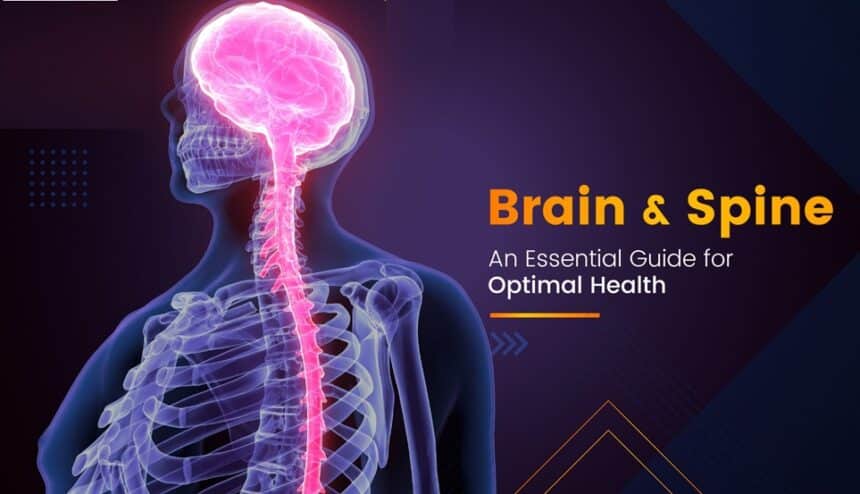
A diagnosis in Neurosurgery in Germany that involves the brain or spine usually comes with more questions than answers. Which treatment option is best? Is surgery necessary? Which specialist has the right experience? For many patients, the search for answers eventually extends beyond their home country.
Germany is a common choice for people seeking treatment for complex neurological and spinal disorders. Its hospitals are known for experienced neurosurgical teams and modern medical technology. At the same time, researching treatment abroad can be challenging. Patients often have to sort through hospital websites, doctor profiles, rankings, advertisements, and online reviews, all while trying to determine which information is reliable. Knowing how to evaluate specialists and verify credentials can make that search much easier.
Why Germany Attracts Neurosurgery Patients From Around the World
Germany has built a solid reputation for handling complicated brain and spine conditions. Patients often choose it for the specialists’ expertise, modern hospitals, and advanced diagnostic and surgical technologies.
It is also home to one of Europe’s largest healthcare systems. According to Germany’s Federal Statistical Office, hospitals treated more than 17.2 million inpatient cases in 2023. That large patient volume means many neurosurgical teams regularly handle challenging and highly specialized cases.
Another advantage is the manner in which complex cases are handled. Treatment strategies often involve a team of neurosurgeons, neurologists, radiologists, oncologists, and rehabilitation experts instead of a single specialist. This team approach can be especially useful in conditions that require careful evaluation before surgery.
University hospitals also play an important role in spine surgery in Germany. Many combine patient care, medical research, and specialist training under one roof, giving patients access to teams that regularly treat complex spinal conditions.
Still, a country’s reputation should only be the starting point. Germany may offer access to highly qualified neurosurgical teams, but the real challenge for patients begins when it comes to identifying the right specialist for their particular condition.
The Biggest Problem: Too Much Information and Too Little Verification
For many patients, the hardest part isn’t deciding to seek treatment abroad. It’s deciding which information to trust. A quick search can bring up hospital websites, doctor profiles, rankings, advertisements, forum discussions, and countless patient reviews. The problem is that not all of them are equally useful.
Hospital websites are used to showcase strengths, while reviews are usually based on individual experiences, not on medical expertise. Rankings can help you narrow your search, but they don’t always explain how doctors are chosen or compared. This leaves the patient often with the same questions they started with.
Who will actually do the surgery? How experienced is that surgeon with the particular condition that is being treated? Is it mostly spinal disorders, brain tumors, epilepsy, or something? These particulars are often more important than promo claims or five-star ratings.
Neurosurgery is a broad specialty, and experience counts. While both fall under the umbrella of neurosurgery, a surgeon specializing in spinal deformities may not be the best pick for a complex brain tumor.
So it’s worth going beyond marketing and looking for verifiable information such as specialist training, clinical focus, professional memberships, research activity, and experience with similar cases. The objective is to find not only a qualified neurosurgeon but also one whose experience aligns well with the patient’s specific needs.
What Credentials Should Patients Check Before Choosing a Neurosurgeon?
When facing a serious brain or spine condition, it can be tempting to focus on hospital rankings or patient testimonials. While those sources may provide useful context, they should never replace a careful review of a specialist’s qualifications and experience. Checking credentials takes a little more work, but can help patients make better choices before they commit to treatment abroad.
Board Certification and Specialist Training
One of the first things to check is a neurosurgeon’s training and qualifications. In Germany, specialists complete years of postgraduate training before they can practice independently. Patients can also look for additional certifications, professional memberships, and evidence of ongoing education.
Medicine does not stand still, especially in fields like neurosurgery. Keeping up with new research, technologies, and treatment methods is an important part of maintaining specialist expertise.
Experience With Specific Conditions
Not all neurosurgeons treat the same conditions. A doctor who regularly treats cervical spinal stenosis or complex scoliosis cases may be an excellent choice for those conditions but may not be the ideal specialist for a challenging brain tumor. Whenever possible, patients should ask about experience with cases similar to their own and seek information about the procedures most commonly performed by the physician.
Academic and Research Background
Some surgeon profiles also mention research work, published papers, or teaching roles at universities. For patients comparing several specialists, this information can help fill in the picture.
Hospital Accreditation and Clinical Resources
Even the most experienced surgeon depends on the resources available at the hospital. That’s why it’s worth looking at accreditation, diagnostic equipment, and access to specialists from different medical disciplines.
Brain and spine specialists rely heavily on MRI scans and other imaging tests. Germany is among the OECD countries with the highest availability of MRI units, which helps hospitals provide detailed diagnostic evaluations before treatment decisions are made.
How Rankings and Medical Directories Can Save Time
Comparing neurosurgeons in another country isn’t easy. Most patients are trying to make sense of dozens of hospital websites, doctor profiles, and patient reviews while dealing with a serious diagnosis.
This is where specialist international health travel platforms and trusted rankings can be useful. Resources such as airomedical.com help patients narrow their search and compare physicians who focus on specific conditions or procedures. Many directories also include physician profiles, treatment specialties, hospital affiliations, and other details that can be difficult to gather from separate sources.
That said, rankings should be viewed as a starting point, not the final answer. A listing or recommendation can help identify potential specialists, but treatment decisions should always be based on consultations, medical records, and expert opinion.
Beyond the Operating Room: Planning the Medical Journey
Diagnosis usually impacts more than just medical decisions; it often involves sorting through reports, locating old scans, and communicating with various hospitals. Questions that have nothing to do with surgery suddenly become important. Where will you stay? How long will you need to be away from home? Will a family member travel with you?
Many patients therefore look for resources that help with both specialist selection and planning a medical trip. Having key information in one place can save time when coordinating treatment from another country.
Recovery deserves just as much attention as the procedure itself. Understanding what happens after discharge can make the entire experience easier to manage.
Red Flags Patients Should Never Ignore
Even when patients choose a country with a strong healthcare reputation, it’s important not to let that reputation replace personal research. Germany, for example, spends about 12.4% of its GDP on healthcare, according to the Federal Statistical Office. That supports a large and advanced medical system, but patients still need to evaluate individual hospitals, specialists, and treatment recommendations carefully.
No Verifiable Credentials
If information about a surgeon’s qualifications, training, or hospital affiliation is difficult to find, that’s a good reason to slow down and ask more questions. Patients should be able to understand who is treating them and what experience that specialist brings to the table.
Guaranteed Outcomes
Be wary of promises that sound too good to be true. Every patient is different, which is why experienced specialists tend to avoid making promises. If the conversation focuses only on success stories and not on risks, recovery, or possible complications, patients may want to ask a few more questions.
Lack of Clear Treatment Information
Patients deserve to understand why a procedure is being recommended, what alternatives may exist, and what recovery is likely to involve. If explanations remain vague or important questions are avoided, that should raise concerns. A qualified medical team should be willing to explain the treatment plan in language that patients and their families can understand.
No Access to Follow-Up Care
Recovery doesn’t stop at the hospital door. Before agreeing to treatment abroad, patients should know what happens after they return home and who they can contact if questions arise.
Questions Patients Often Forget to Ask
How do I verify a neurosurgeon’s credentials in Germany?
One option is to look beyond reviews and check the surgeon’s hospital profile. Most hospitals provide information about a doctor’s training, areas of expertise, and professional background.
Are German neurosurgeons required to complete specialist training?
They are. Neurosurgery is a separate medical specialty, and doctors spend years training before they can work independently.
Can international patients get a second opinion before traveling?
Often, yes. In many cases, specialists can review MRI scans, test results, and other records before a patient decides whether to travel.
Is Germany a good destination for complex spine surgery?
Germany is known for its specialized hospitals and experienced spine surgeons. Still, the right doctor is usually more important than the destination itself.
How long does medical trip planning usually take?
Every case is different. The timeline often depends on how quickly medical records are available and how much research a patient wants to do before choosing a hospital or specialist.
References
- Federal Statistical Office of Germany (Destatis). Medical facilities, hospital beds and movement of patients. 2024.
- Kozina J. & Dr. Ahmed F. Ranking Best Neurosurgeons for Spine Surgery in Germany. Airomedical. 2026.
- Federal Statistical Office of Germany (Destatis). Health Expenditure in Germany. 2024.
- Dr. Ahmed F. & Dr. Volvak Marta. Ranking 5 Leading Neurosurgeons in Germany for Brain Tumor. Airomedical. 2026.
- Organization for Economic Co-operation and Development (OECD). OECD Health Statistics. MRI units (indicator). 2026.
- Miller E. & Dr. Ahmed F. How a Neurosurgical Second Opinion in Hannover Changed the Course of Treatment. Airomedical. 2026.