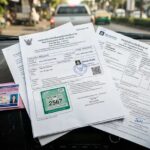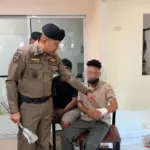
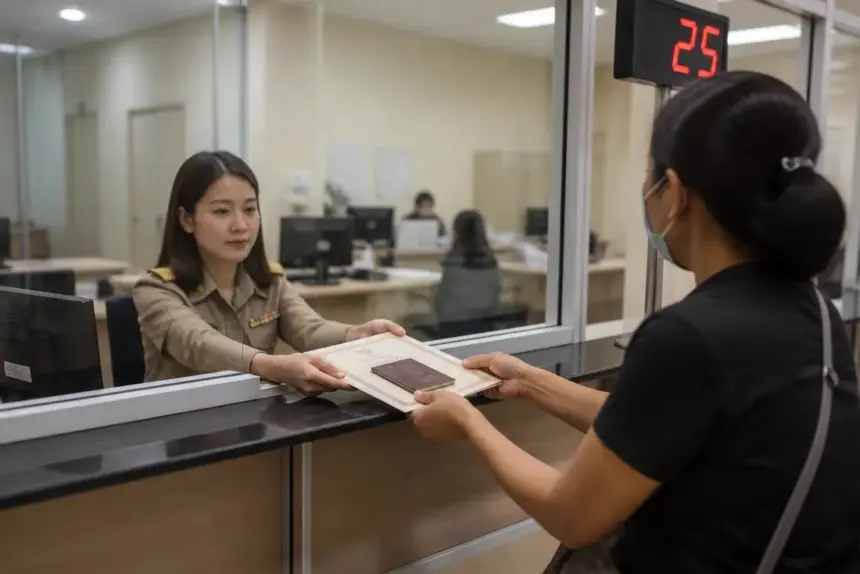
Foreign residents applying for a Thai police check in Thailand should prepare identity records, documents explaining the request, and attend the Police Clearance Service Center for fingerprints and a photograph. The Royal Thai Police issues the certificate, which you may need for work, a visa, professional licensing, or another official process.
The key distinction is where you apply: instructions for someone living abroad aren’t automatically the requirements for a resident applying in person. Mixing the two can mean preparing an unnecessary overseas fingerprint package or treating an overseas fee as the in-person price. Start with the procedure for applicants living in Thailand, and keep document preparation separate from rules that apply only to applications submitted abroad.
Key Takeaways
- The Police Clearance Service Center, part of the Royal Thai Police, issues Thai police clearance certificates.
- In-country applicants submit paperwork, complete the required forms, and provide fingerprints and a photograph at PCS.
- Organize passport and immigration records, purpose-related documents, and any name-change evidence without treating an overseas checklist as definitive in-country requirements.
- Processing usually takes 15 business days for a complete application without a criminal record, or up to 25 business days where a record exists.
- Overseas application fees and mailing instructions don’t automatically apply to residents applying in person.
What Foreign Residents Need for a Thai Police Check
The Police Clearance Service Center (PCS) of the Royal Thai Police is the issuing authority. Its in-country procedure establishes the application stages, but the U.S. Embassy’s instructions don’t provide a complete foreign-resident document checklist. Organizing relevant records is useful preparation, rather than proof that every document is mandatory.
Bring your passport, Thai visa, and entry records
Keep your passport and copies together with your Thai immigration records. The official overseas checklist identifies passport copies, Thai visa or work-permit evidence, and passport pages showing Thai entry and exit stamps. Those records help organize your identity and immigration history, but that overseas list isn’t a definitive checklist for an in-person application.
Keep original records separate from copies so you can find each version easily. Also, use the same passport spelling throughout your paperwork; differences between forms and supporting records can create avoidable confusion.
For an in-person Thai police clearance application, distinguish the documents supporting your request from the forms completed at PCS. The application form, testimony memorandum, and fingerprint form are separate parts of the documented in-country procedure.
Add proof of purpose and any name-change records
Prepare a clear explanation of why you need the certificate and where you intend to use it. Employment, immigration, and licensing requests can involve different supporting documents, so keep the requesting organization’s instructions with your application papers.
If your records use different names, organize the documents explaining that difference. Name-change evidence appears in the overseas checklist; it shouldn’t be presented as a universal requirement for every resident applying at PCS.
The U.S. Embassy’s in-country instructions say related documents must be translated into Thai or English and verified by a qualified translator. Keep translations with their corresponding source documents so names, dates, and document references remain easy to match.
How to apply for a Thai police check while living in Thailand
The documented in-person route takes place at the Police Clearance Service Center, Royal Thai Police, Building 6, 1st Floor, on Rama 1 Road, Pathumwan, Bangkok 10330. This is the certificate application process for non-Thai citizens applying inside Thailand, rather than the separate mailing procedure for applicants overseas.
Submit your paperwork and complete the forms at PCS
At PCS, submit your supporting documents and complete the application form, testimony memorandum, and fingerprint form. These forms have different functions: the application records your request, the testimony memorandum explains its purpose, and the fingerprint form accompanies the identification process.
Write your details consistently across the forms. Before signing, compare your name and passport information with the documents you’ve brought. Your explanation of the certificate’s purpose should also match the request you’re trying to satisfy.
Keep a copy of the paperwork you submit for your own records. Having the same information available later makes it easier to deal with questions about the request without reconstructing what you wrote.
The instructions establish an in-person application process, so plan for time at the center rather than treating the visit as a document drop-off.
Have your fingerprints and photo taken at the center
After document submission, in-country applicants provide fingerprints and have a photograph taken at PCS. These steps connect the application to the applicant, so obtaining copies of your passport alone doesn’t complete the procedure.
Applicants outside Thailand follow a separate overseas application procedure. That route involves arranging original fingerprints through a Thai diplomatic mission or a local police station, according to the applicable instructions.
Don’t transfer that overseas arrangement into the resident process. For the documented in-country route, PCS takes the fingerprints and photograph itself. Likewise, overseas requirements for mailing materials and a return envelope shouldn’t be treated as automatic requirements for your Bangkok visit.
How long the certificate takes and what to check before using it
Allow time for the police application and any later steps required by the organization receiving the certificate. Issuance by PCS and acceptance for an overseas purpose are separate stages, even when both relate to the same immigration, employment, or licensing request.
Plan for about 15 to 25 business days
The U.S. Embassy’s in-country instructions for non-Thai citizens give a usual processing time of 15 business days when all documents are complete and no criminal record is found. Where a criminal record exists, processing may take up to 25 business days.
These are processing estimates, not guaranteed delivery dates. Missing documents or additional checks can affect timing, and business days aren’t the same as calendar days.
Build your schedule around a complete submission. Preparing papers doesn’t start the processing period, and a deadline imposed by an employer or immigration office doesn’t turn the standard estimate into a guaranteed completion date.
The police processing estimate doesn’t include time needed afterward for translation, authentication, or delivery to the receiving organization.
Keep fees and overseas acceptance rules separate
The in-country instructions direct applicants to pay a service fee to PCS, but they don’t state an amount. The 100-baht figure in overseas guidance belongs to that separate application route and shouldn’t be presented as the established price for applying in person.
Document acceptance also depends on the receiving authority. Translation, authentication, and certificate-age requirements can differ between countries and official processes. Issuance of a Thai police certificate doesn’t establish that every overseas office will accept it without further preparation.
Where authentication forms part of the receiving authority’s requirements, Thailand’s document legalization process is a separate administrative step. Keep that work distinct from the police application when planning your submission timeline.
Frequently Asked Questions
Where do foreign residents apply for a Thai police check?
The documented in-country location is the Police Clearance Service Center of the Royal Thai Police, Building 6, 1st Floor, Rama 1 Road, Pathumwan, Bangkok 10330. PCS issues the certificate. A Thai embassy may provide fingerprinting services for applicants abroad, but it doesn’t issue the police clearance certificate.
Can the U.S. Embassy take my fingerprints for this application?
The U.S. Embassy states that it cannot perform fingerprinting in its notarial services frequently asked questions. For the in-country police clearance procedure, PCS takes the applicant’s fingerprints. An embassy appointment therefore doesn’t replace the fingerprinting stage of your application at the Thai center.
Do I need a work permit to apply?
The overseas document guidance lists Thai visa or work-permit evidence among its supporting records. That wording doesn’t establish that every foreign resident applying in person must hold a work permit. A work-permit copy appearing on an overseas checklist shouldn’t be turned into a universal eligibility rule for residents.
Is the 100-baht fee the fee for applying in Thailand?
The 100-baht amount appears in overseas application guidance. The U.S. Embassy’s in-country instructions require payment of a service fee but don’t state its amount. Treating the overseas figure as the confirmed in-person price would combine two separate procedures.
Can I use one certificate in more than one country?
Overseas instructions specify one country in the testimony memorandum, but that doesn’t establish an identical rule for every in-country application. It also doesn’t establish that one certificate will satisfy several receiving authorities. Each authority’s document requirements apply to the request you’re submitting to it.
Does the certificate have a fixed expiration date?
There isn’t a universal validity period established by the official guidance described here. The organization or government office receiving the certificate sets its own certificate-age and authentication requirements. A document’s issue date and the receiving office’s acceptance window are separate matters.
Prepare for the In-Country Process
A Thai police check is easier to organize when you keep the in-country procedure separate from instructions for applicants overseas. Prepare your identity and immigration records, explain the certificate’s purpose clearly, and keep related translations with the documents they support.
The documented process includes paperwork, fingerprints, and a photograph at PCS. Allow enough time for a complete application and any later document preparation required by the receiving authority.
Overseas fees, mailing arrangements, and fingerprint instructions belong to a different route. Keeping those distinctions clear helps you prepare for the application you’re making without treating an overseas checklist as a universal rule.