Last Updated on August 1, 2026 by Jeff Tomas
TOKYO – Determining the best time to visit Japan depends largely on whether you prefer vibrant spring blooms or serene autumn leaves. For many first-time travelers, late March to early April is ideal, when cherry blossoms brighten Tokyo, Kyoto, and Osaka. If you prefer mild weather and colorful autumn scenery, mid-November to early December is an excellent choice for the same cities.
Japan stretches from subtropical Okinawa to snowy Hokkaido, so the ideal month depends on the weather, scenery, crowds, and regions you want to visit. Cherry blossom season brings spectacular sakura but higher prices and busy attractions, while fall foliage often offers comfortable sightseeing conditions and vivid scenery. October and May after Golden Week can provide a calmer balance of pleasant weather and fewer tourists.
This month-by-month guide for Japan travel will help you compare each season, understand regional differences, and plan around peak travel periods. It also includes practical travel tips for anyone traveling to Japan during these popular months, so you can choose dates that match your priorities and itinerary.
Key Takeaways
- Choose late March to early April for cherry blossoms in Tokyo, Kyoto, and Osaka, or mid-November to early December for fall foliage and comfortable sightseeing weather.
- Regional timing varies: Hokkaido and Tohoku see later spring blossoms and earlier autumn colors, while Okinawa has a warmer calendar and earlier cherry blossoms.
- Spring and fall peak seasons bring beautiful scenery but higher prices, crowded attractions, and strong booking demand. Reserve flights, hotels, trains, and popular activities early.
- For a calmer balance of pleasant weather and better value, consider late May after Golden Week, October, early June, September, or winter outside New Year.
- Match your travel dates to your priorities: summer for festivals and outdoor activities, winter for skiing and hot springs, and flexible shoulder-season travel for fewer crowds.

Best Time to Visit Japan for Great Weather and Seasonal Scenery
The best time to visit Japan depends on whether you want the brief excitement of cherry blossom season or the longer, calmer display of fall foliage. For most travelers visiting Tokyo, Kyoto, and Osaka, late March to early April and mid-November to early December offer the most memorable scenery.
Weather and seasonal displays vary by region, so treat these dates as planning windows rather than guarantees. Temperature, rainfall, and local conditions can shift the timing each year.
Late March to Early April for Cherry Blossoms
Cherry blossom season brings mild days, fresh greenery, and cherry trees covered in pale pink flowers. In central Japan, Tokyo, Kyoto, and Osaka usually see cherry blossoms between late March and early April, although northern areas bloom later.
The weather is comfortable for walking, but it can change quickly. You may enjoy sunny afternoons around 60 to 70°F, followed by cool evenings or rain the next day. Strong wind and heavy rain can also scatter petals before the trees reach their best color.
The full-bloom period often lasts only about a week at a particular location. Because of that short window, cherry blossom season requires careful timing. Check updated forecasts before booking fixed travel dates, and allow some flexibility if possible. The Japan cherry blossom timing guide can help you compare expected bloom periods by region.
Spring is also one of Japan’s busiest travel seasons. Hotels near popular parks and temples can become expensive, while trains and sightseeing areas feel crowded. If the blossoms are your main reason for visiting, book transportation and accommodation early.
Mid-November to Early December for Fall Colors
Fall foliage often provides more dependable sightseeing weather. Central Japan usually enjoys cool, comfortable temperatures, lower humidity, and clearer skies from mid-November into early December.
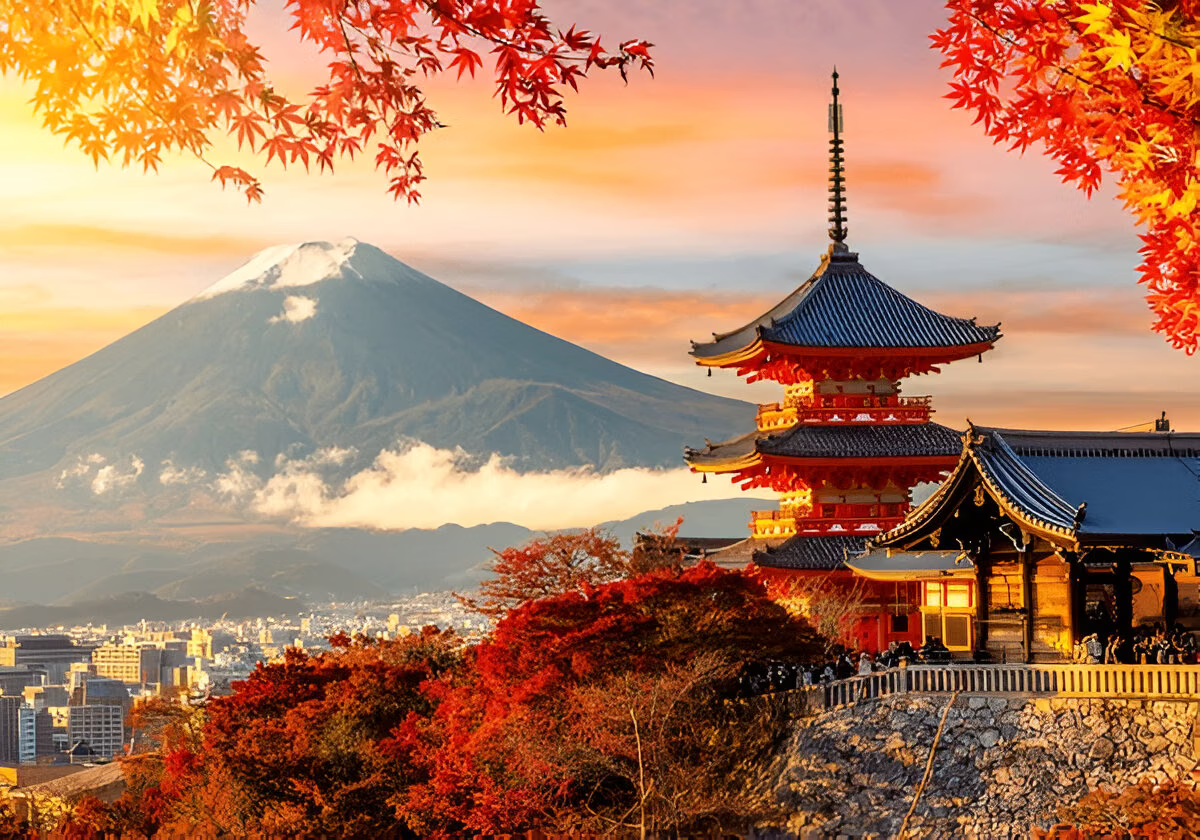
Kyoto’s historic temples and maple gardens turn red, orange, and gold, while Tokyo’s parks and tree-lined streets take on rich autumn tones. These autumn leaves also appear gradually across the country, giving travelers more flexibility than the short cherry blossom peak. Hokkaido changes color earlier, while southern Japan can remain colorful into December.
Rain and temperature still affect the timing. A warm autumn can delay the peak, while cold weather may bring color earlier. Local foliage forecasts become useful as your trip approaches, especially if you plan to visit mountain areas or smaller towns.
For the best time to visit Japan and a broadly pleasant trip through central Japan, choose mid-November to early December unless cherry blossoms are your main goal.
Both seasons attract large tourist crowds, but spring usually creates greater booking pressure. During either peak period, higher hotel prices, packed trains, and limited restaurant availability can reduce your flexibility. Traveling on weekdays, staying outside the busiest districts, and reserving popular attractions early can make the experience much easier.
How Every Season Changes the Japan Travel Experience
Japan’s seasons shape more than the weather. They affect what you can see, how crowded famous sites become, what to pack, and which regions deserve extra time. Temperatures also vary by latitude and elevation, so Tokyo’s conditions may feel very different from Hokkaido or the Japanese Alps. Understanding these differences makes it easier to choose the best time to visit Japan for your priorities.
Spring is ideal for cherry blossoms, gardens, and mild sightseeing.
For Tokyo, Kyoto, and Osaka, the main cherry blossom season usually falls between late March and early April. Tokyo often reaches full bloom around the end of March, while Kyoto and Osaka can peak around the same period. Okinawa’s cherry blossoms appear much earlier, often in January or February, while Tohoku and Hokkaido may not see their best display until late April or May. This progression means the best time to visit Japan for cherry blossoms depends on the region you plan to explore.
Spring makes outdoor sightseeing comfortable. You can join a hanami picnic beneath the trees, walk through temple grounds, or explore gardens such as Tokyo’s Shinjuku Gyoen and Kyoto’s traditional landscape gardens. Mild afternoons are ideal for long walks, but evenings can still feel cold, so bring layers and a light jacket. Typical cherry blossom temperatures often sit near 60 to 70°F, with cooler nights and sudden rain possible. Seasonal cherry blossom temperatures can help you plan appropriate clothing.
The final week of March and the first week of April are among the most competitive travel dates in Japan. Flights, hotels, rail routes, restaurants, and popular attractions fill quickly, especially in central Tokyo and Kyoto. Book early if the cherry blossoms are the main purpose of your trip.
Peak bloom at one location may last only about a week. Rain or strong wind can scatter petals sooner, so flexible plans give you a better chance of seeing the trees at their best.
Summer brings festivals, beaches, and hot, humid weather
Summer in Japan, from June through August, suits travelers who want matsuri festivals, fireworks, hiking, and coastal escapes. Cultural festivals fill neighborhoods with food stalls and traditional performances, while mountain areas offer trails and cooler evenings. Hokkaido and the Japanese Alps are often more comfortable than the major cities, making them good choices for outdoor activities.
Tokyo, Kyoto, Osaka, and other urban areas can feel intensely hot and humid in July and August. Japan’s rainy season often affects June and early July, although the start and end vary by region. Rain may disrupt outdoor plans, but it also leaves gardens and forests lush and green.
Plan sightseeing for early morning, then use museums, department stores, aquariums, and cafés during the hottest hours. Lightweight clothing, breathable shoes, sunscreen, a hat, and a reusable water bottle will make city walks easier. Keep an indoor backup plan ready, especially during the rainy season and summer’s cultural festivals.
Late summer is also part of typhoon season, bringing a higher risk of strong winds and heavy rain. Check weather alerts before traveling between cities, and allow extra flexibility if your itinerary includes ferries, mountain roads, or domestic flights.
Autumn offers comfortable days and Japan’s best fall colors
October and November are popular because the weather is often cool, clear, and comfortable for walking. Travelers can hike in mountain areas, visit temple gardens, explore city parks, and enjoy seasonal dishes such as mushrooms, chestnuts, sweet potatoes, and persimmons. Fall foliage appears first in northern regions and at higher elevations.
Hokkaido and mountain destinations may reach peak color from late September through October. Tokyo, Hakone, Kyoto, Osaka, and much of western Japan usually turn vivid from mid-November to early December, with Kyoto’s gardens especially appealing when autumn leaves frame temple paths and ponds.
For a first trip centered on Tokyo, Kyoto, and Osaka, mid-to-late November is a strong choice. You may find bright maples in Kyoto, golden ginkgo trees in Tokyo, and comfortable conditions for day trips and other outdoor activities. Pack light layers, a sweater, and a rain jacket, since mornings and evenings can feel chilly even when afternoons remain mild.
Autumn attracts many visitors, but the crowds often feel easier to manage than during peak cherry blossom season. Reserve hotels and popular restaurants early, then visit major temples and gardens on weekday mornings.
Winter is best for snow, hot springs, and fewer crowds
The winter season, from December through February, is a strong choice for skiing in Hokkaido and the Japanese Alps. Ski resorts such as Sapporo, Niseko, and Hakuba offer very different conditions from Tokyo or Kyoto. Winter also suits travelers who want to soak in Japanese hot springs, stay at a traditional ryokan, see snow-covered temples, or visit winter illuminations after dark.
Tokyo and Kyoto are generally easier to visit during the winter season because sightseeing areas can feel less crowded. However, northern Japan and mountain regions may receive heavy snow, which can delay trains, close roads, or change flight schedules. Check transport conditions before leaving urban areas.
New Year is a major holiday period. Many businesses close temporarily, while domestic travel becomes extremely busy around the end of December and early January. Outside that window, winter can offer better availability and lower prices.
Bring a warm coat, thermal layers, gloves, and shoes with good traction. Okinawa remains much milder than the rest of Japan, so it can provide a gentler winter escape, although beach weather isn’t guaranteed.

Choose the Right Month and Region for Your Japan Trip
The best time to visit Japan depends on your route. Latitude shifts the calendar north and south, while altitude can bring cherry blossoms or fall foliage weeks earlier than nearby cities. A trip focused on Tokyo and Kyoto needs different dates than one built around Hokkaido, Tohoku, or Okinawa.
Use seasonal forecasts as planning guides rather than fixed promises. Weather can move peak bloom and foliage dates by several days each year, so check updated regional information before finalizing your itinerary. The official Japan cherry blossom forecast is useful when spring scenery is the main goal.
Tokyo, Kyoto, Osaka, and Hakone have similar peak seasons
These popular central and western Japan destinations are usually easy to combine in one spring or fall itinerary. Tokyo, Kyoto, and Osaka generally see cherry blossoms from late March to early April, while Hakone often follows a similar schedule, with cooler areas and higher elevations sometimes blooming a little later.
The main autumn foliage window runs from mid-November to early December. Tokyo’s major parks may peak in late November, while Kyoto’s historic temples and gardens often reach their strongest colors from mid- to late November. Hakone can turn earlier because of its mountain elevation, often from late October into mid-November.
Kyoto’s temple areas and Tokyo’s major parks become especially crowded during these peak periods. Start sightseeing early, choose weekdays over weekends, and reserve hotels several months ahead when possible. Staying near major train lines, such as Tokyo Station, Shinagawa, Kyoto Station, or Shin-Osaka, also makes day trips and early departures easier.
For a first visit, you could spend several nights in Tokyo, take the bullet train toward Kyoto with possible views of Mount Fuji, travel onward to Hakone, and continue to Osaka. That route works well in either peak season because the destinations share similar timing. It can be an excellent choice when deciding on the best time to visit Japan.
Hokkaido and Tohoku reward travelers who can shift their dates
Northern Japan sees later cherry blossoms and earlier fall colors than Tokyo and Kyoto. Hokkaido’s blossoms usually appear from late April to early May, with Sapporo often reaching peak bloom around the start of May. Its fall foliage can begin in mountain areas from late September and continue through late October in lower-elevation cities.
Tohoku sits between Hokkaido and central Japan. Cherry blossoms often peak in mid- to late April, while fall colors may run from late September through mid-November. Sendai usually changes earlier than Aomori, and mountain valleys can turn before nearby urban areas.
Altitude creates another timing shift in northern national parks. In spring, colder mountain locations bloom later, while in autumn, those same elevations often change color first. A trip to Hokkaido’s national parks or Tohoku’s mountain gorges may offer foliage weeks before Tokyo’s city parks, with Mount Fuji no longer the only dramatic landscape option.
These regions also give you reasons to travel beyond the main city circuit. Hokkaido suits skiing, national parks, open rural scenery, and seafood. Tohoku offers hot springs, historic towns, farmland, mountain hikes, and regional dishes that differ from those in Kansai or Kanto.
Okinawa has a warmer climate than mainland Japan.
Okinawa follows a subtropical calendar, making it a good choice for beaches, snorkeling, and mild winter weather. Cherry blossoms can begin in mid-January and often peak around early February, months before Tokyo’s trees open.
Okinawa isn’t a typical destination for mainland-style autumn leaves. Travelers usually visit for warm-water activities, island scenery, and a slower coastal itinerary instead of red maple forests.
Summer can be hot and humid, especially from July through September. Late summer and early fall also bring a higher risk during typhoon season, which may affect flights, ferries, and snorkeling tours. For comfortable outdoor plans, winter through spring often provides a better balance of mild temperatures and manageable weather. That makes Okinawa a useful option when the best time to visit Japan means prioritizing warmth over mainland scenery.
Plan Around Crowds, Costs, and Special Events
The best time to visit Japan also depends on your budget and tolerance for tourist crowds. Peak travel season brings beautiful scenery and lively events, but it can raise hotel rates, fill trains, and limit last-minute choices. Shoulder and low seasons offer better availability, although weather may be less predictable.
Compare peak, shoulder, and low seasons
Cherry blossom season in late March and early April is one of Japan’s busiest periods, especially in Tokyo, Kyoto, and Osaka. Fall foliage creates similar pressure in famous cities from mid-November to early December. Hotels near temples, parks, and major stations often sell out first, including popular traditional ryokan, while restaurants and guided activities may require reservations.
Golden Week, usually from late April through early May, creates another major travel rush. The holidays around April 29 and May 3 through May 5 encourage domestic travel, so shinkansen routes, airports, attractions, and resort towns become crowded. Obon holiday brings a second nationwide travel surge in mid-August, usually around August 13 to 16. New Year, from late December through early January, can also affect transport and business hours as many residents travel or return home.
These holiday periods are part of Japan’s peak travel season, so planning is especially important. Expect tourist crowds on the bullet train, at major attractions, and in popular resort areas. A season-by-season Japan travel guide can help you compare weather, costs, and visitor levels before choosing the best time to visit Japan.
Reserve early during Japan’s busiest periods
If you plan to see cherry blossoms or fall colors, reserve popular hotels and major activities several months ahead. This matters most in Kyoto, Hakone, Tokyo, and destinations with limited traditional inns. Booking early also gives you more choices near train stations, which can save time when your itinerary includes several cities.
Golden Week and the Obon holiday require the same approach. Reserve shinkansen seats, domestic flights, hotels, and rental cars before the holiday rush begins. During these periods, flexible travelers may find better availability by staying outside the most famous districts, but daily transport can still take longer, and tourist crowds may remain heavy.
Check cancellation policies before paying. Seasonal forecasts can shift, and a nonrefundable room becomes expensive if peak blossoms or foliage arrive earlier than expected.
Choose shoulder seasons for better value.e
Budget travelers can often find a better balance in late May after Golden Week, early June, September, or winter outside New Year. Late May usually offers pleasant conditions and spring greenery, although the strongest cherry blossoms have passed. Early June can bring lower rates, but the rainy season may affect outdoor plans.
September can be cheaper than spring and fall, yet heat, humidity, and typhoons remain possible. Winter outside the New Year period often brings fewer visitors and lower city-hotel prices, while northern Japan and mountain areas may have snow.
Exact bloom and foliage dates are never guaranteed. Check Japan’s official forecasts and regional updates close to departure, then keep one or two flexible sightseeing days in your itinerary.

How to Pick the Best Travel Dates for Your Priorities
The best time to visit Japan depends on the experience you want most. Before booking flights, choose one main seasonal goal, then build your itinerary around it. Trying to catch cherry blossoms, fall colors, snow, beaches, and festivals during one short trip can leave you with awkward weather and rushed travel days.
Match your main goal to the right season
Use this quick guide to narrow your dates:
- Choose late March to early April for iconic cherry blossoms in Tokyo, Kyoto, and Osaka. Book well ahead because this is one of Japan’s busiest travel periods.
- Pick mid-November to early December for fall foliage, pleasant temperatures, and colorful temple gardens in central Japan.
- Travel in April, May after Golden Week, October, or November for comfortable sightseeing. These months offer a strong balance between walkable weather and seasonal scenery.
- Experience Summer in Japan in July or August for cultural festivals, fireworks, and outdoor events. Hokkaido is often more comfortable than Tokyo or Kyoto during the hottest weeks.
- Plan for the winter season, from December through February, if you want skiing, snow, and Japanese hot springs. Hokkaido and the Japanese Alps offer excellent ski resorts, while cities such as Tokyo and Kyoto tend to be quieter outside the New Year period.
- Choose Okinawa between May and October for beach activities and warmer water. Check forecasts carefully during typhoon season, especially in late summer and early fall.
- Look at January, February, September, or early June for lower prices and fewer visitors. Winter outside the holidays usually offers the calmest city sightseeing, while June brings a higher chance of rain.
For another comparison of weather, crowds, and costs, see this Japan travel season guide.
Balance scenery, comfort, and crowd levels
Every popular season involves a tradeoff. Spring offers the most famous cherry blossoms, but peak dates bring high hotel rates and packed attractions. Fall usually gives you comfortable weather and dramatic scenery, although Kyoto and other foliage destinations still become busy.
If you care more about relaxed sightseeing than perfect seasonal views, travel just before or after the peak travel season. Late May, October, and early December can provide better availability, while weekday mornings are useful travel tips for avoiding tourist crowds.
A flexible itinerary also protects your plans when flowers or leaves arrive early or late. If spring blossoms finish sooner in Tokyo, shift north toward Tohoku. If fall color peaks early in Kyoto, consider a southern destination or a higher-elevation area. A simple decision summary is: spring for iconic blossoms, fall for balanced weather and scenery, Summer in Japan for festivals and Hokkaido, and winter for snow and onsen.

Frequently Asked Questions
Choosing the best time to visit Japan often comes down to practical details beyond blossoms and foliage. These answers address common planning questions about timing, reservations, weather, and itinerary length.
How far ahead should I book a spring or fall trip to Japan?
Book international flights and hotels three to six months ahead for cherry blossom season or peak fall foliage trips. Kyoto, Hakone, and rooms near major stations often fill first, especially for weekends, holidays, and Golden Week.
Reserve shinkansen seats, restaurant tables, and popular tours after confirming your route. If your dates are flexible, staying one or two weeks outside the expected peak can improve availability and reduce costs.
Can I see cherry blossoms and fall colors on the same Japan trip?
Not during the same season, since cherry blossoms usually appear in spring and autumn foliage develops months later. However, Japan’s long north-to-south geography creates different seasonal windows across the country.
For example, cherry blossoms may still appear in Hokkaido in late April or early May after they finish in Tokyo. A single trip can sometimes cover different stages of one season, while seeing cherry blossoms and autumn leaves generally requires separate visits.
What happens if rain ruins the blossoms or fall foliage?
Rain can shorten peak viewing during cherry blossom season, when wind may scatter petals quickly. Fall foliage usually lasts longer, so rainy season weather may be easier to work around, although heavy storms can still affect mountain areas and outdoor attractions.
Keep a few indoor options available, such as museums, covered markets, department stores, and tea houses. Check updated forecasts each morning and visit gardens, temple grounds, or viewpoints of Mount Fuji during the clearest part of the day.
Is Japan expensive during cherry blossom and fall foliage seasons?
Peak spring and fall dates are part of the peak travel season, so demand rises for flights, hotels, trains, and guided activities. Prices are often highest in Kyoto, Hakone, and other destinations with limited accommodation.
You can lower costs by traveling on weekdays, staying near a less famous station, and booking after the main peak. Summer in Japan and the winter season can also offer different pricing, depending on the region and holiday calendar. For more planning ideas, this guide on why travelers choose Japan covers practical factors that shape a Japan itinerary.
How many days should I plan for a first trip to Japan?
A week works for a focused route, such as Tokyo and Kyoto, but 10 to 14 days gives you more breathing room. That amount of time allows visits to Tokyo, Hakone, and Kyoto while traveling between major cities and navigating tourist crowds more comfortably.
Add extra days if you want Osaka, Hokkaido, the Japanese Alps, Hiroshima, or rural areas. Winter travelers may also enjoy Japanese hot springs, but long-distance travel can take several hours, so count transportation time when building your schedule.
Should I avoid Japan during typhoon season?
You don’t need to avoid the entire country, but late summer and early fall require more flexibility. Typhoons can disrupt flights, ferries, trains, mountain roads, and outdoor tours, particularly in Okinawa and southern Japan.
Check official weather alerts before traveling between regions, and avoid scheduling important connections immediately after a storm. If you’re traveling to Japan during this period, the Japan travel FAQ offers additional answers about weather, transportation, and seasonal planning.
Conclusion
The best time to visit Japan depends on the experience you want most. Choose late March to early April for cherry blossom season in Tokyo, Kyoto, and Osaka, or visit from mid-November to early December for fall foliage, comfortable temperatures, and easier sightseeing.
Your destination may shift the ideal dates. Hokkaido and Tohoku see later spring blossoms and earlier autumn leaves, while Okinawa follows a warmer calendar suited to beaches and mild winter travel. If you’re traveling to Japan during peak periods, plan and avoid major holiday surges such as Golden Week when possible. Check current blossom, foliage, and weather forecasts before booking, then reserve flights, hotels, and popular activities early.
Most importantly, match the season to your interests, whether you want the beauty of cherry blossom season, vibrant autumn leaves and fall foliage, festivals, snow, or warm coastal weather. Japan rewards thoughtful planning in every season, so the right trip is the one that fits your priorities.
Trending News:
Japan’s Islands Protect Nature and Culture for the Future
Thailand Forced to Slash 2026 Tourist Targets as China Resumes Japan Routes