
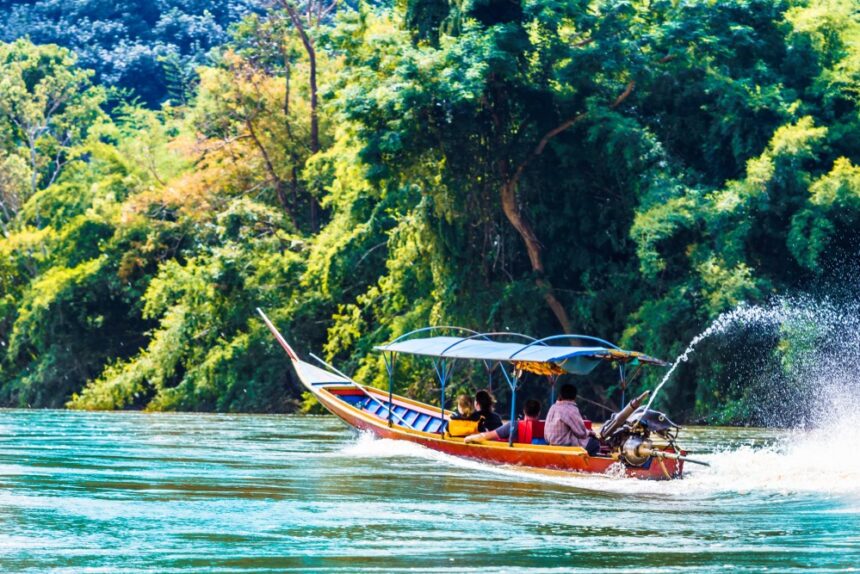
A longtail boat from Tha Ton to Chiang Rai turns a cross-town trip into a few hours on the Kok River, with a slower view of northern Thailand along the way. But this is a seasonal service that needs local confirmation, not a departure you can count on running every day.
Travel sources commonly report a boat around 12:30 p.m., with shared fares ranging from about 350 to 400 baht, though the actual schedule and price can change. Before setting out, check at the pier whether the boat is running, where it will land, and whether stops are included. For a closer look at the route, see these Chiang Rai longtail boat tours; if you have a tight schedule or water levels are low, road travel may be a better fit.
Key Takeaways
- The Tha Ton to Chiang Rai boat is seasonal and may not run daily. A departure around 12:30 p.m. is commonly reported, but confirm the sailing at Tha Ton pier before planning around it.
- Shared fares are reported at 350 to 400 baht, though prices vary. Ask for the current fare and whether village stops are included.
- Plan for a three- to four-hour ride. The Tourism Authority of Thailand’s Kok River guide describes longtail boat services along the river.
- Water levels and passenger demand can affect service, so keep a road-travel backup.
- Confirm the Chiang Rai landing point and check Kok River water testing updates before departure.
Kok River Boat From Tha Ton to Chiang Rai: What the Trip Is Like
The trip is a downstream longtail boat ride of roughly 95 to 100 km, usually taking about three to four hours. It follows the Kok River at a slower pace than road travel, but the timing, stops, and landing point can vary. Check the sailing details locally before you plan the rest of your day around the arrival.
Where to board in Tha Ton and where you may arrive
Boats leave from the Tha Ton boat pier beside the bridge, in Mae Ai District, Chiang Mai Province. Ask at the pier whether a shared boat to Chiang Rai is running that day, and confirm its departure time and fare before buying a ticket.
The Chiang Rai landing point needs the same check. Travel accounts describe a pier near the bridge opposite Dusit Island Resort, but the exact current drop-off location isn’t firmly confirmed. Ask the operator where the boat will let you off before setting out, especially if you need to arrange a pickup or continue to a hotel.
River scenery and possible village stops along the way
On the water, the journey offers a closer look at riverside life and northern Thailand’s scenery than a direct road transfer. The Kok is a long-standing river route between the two towns, though the views and pace depend on conditions that day. The Tourism Authority of Thailand’s Kok River guide notes that longtail services run along the river. For background on its course through the region, see how the Kok River flows through northern Thailand.
Reported stops along the route include Ban Mai, Mae Salak, Phathai, Jakue, Kok Noi, Pha Kang, Hat Wau Dam, and the hot springs or Ruam Mit. However, these names don’t guarantee a stop on every Tha Ton to Chiang Rai trip. A shared boat may follow a different itinerary, and some destinations may involve separate fares. Confirm which stops are included, how long the boat plans to wait, and whether you can get off and continue on the same service.
Allow three to four hours for the ride, but keep your schedule flexible. River conditions and stops can change the travel time, and the boat’s arrival point may affect onward transport. If you need to reach Chiang Rai by a fixed time, confirm the full plan with the operator or consider traveling by road.
Boat Schedule, Ticket Prices, and Seasonal Service
The Tha Ton to Chiang Rai boat has no verified current official timetable or confirmed booking channel. Although several travel sources report a departure around 12:30 p.m., treat that time as a useful lead, not a guaranteed sailing. The Tourism Authority of Thailand describes longtail boat services on the Kok River, but does not provide a current schedule or fare for this route in its Kok River information.
Why the reported 12:30 departure is not guaranteed
The reported midday departure may depend on passenger demand, water levels, and whether a shared boat is running that day. Since no confirmed booking contact or official timetable is available, don’t plan a tight connection around 12:30 p.m.
Instead, ask at the Tha Ton pier or through a local guesthouse the day before you hope to travel. Confirm whether a shared boat is operating, its exact departure time, and whether the operator needs a minimum number of passengers. Check again at the pier on travel day, since conditions or demand may change.
This extra check matters if you need to arrange onward transport in Chiang Rai. If the boat isn’t running, or the departure time doesn’t work for your plans, keep road travel as a backup.
What shared tickets and private charters may cost
Published fare estimates vary, and none is a confirmed current tariff. Shared tickets are reported at roughly 350 to 550 baht per person, so ask for the current price before paying. Confirm whether the fare covers the full trip to Chiang Rai and whether any stops cost extra.
Private hires are reported at about 2,200 to 2,400 baht per boat. The final price and route depend on the local agreement, including which stops the operator will make. Before handing over money, agree on the total cost, itinerary, included stops, and number of passengers. Also clarify whether the quoted amount covers the whole boat or each traveler.
How river levels can change the travel season
The boat needs enough water to operate, so service can shift with river conditions. Traveler reports say trips may be more available during the rainy season and through January or February. Low water sometimes affects service from March to May, when operators may reduce trips or not run a shared boat.
These months are reported patterns, not a fixed operating calendar. A trip that ran recently may not be available on your travel date. Check with the pier or a guesthouse close to departure, and ask whether water conditions are affecting the route. Conditions also shape other river outings, as discussed in this Kok River rafting and tubing guide. Keep your plans flexible until the operator confirms the boat.
How to Plan a Smooth Boat Trip from Tha Ton
A little preparation at Tha Ton pier can prevent confusion about the departure, fare, stops, and arrival point. Since the service can change with passenger demand and river conditions, confirm the details locally before you buy a ticket or arrange onward transport.
What to confirm at the pier before buying a ticket
Ask the boat operator or pier staff these questions before paying:
- Is the Chiang Rai boat running today?
- What time does it actually leave? A departure around 12:30 p.m. is commonly reported, but it isn’t a confirmed daily schedule.
- What is the current fare, and does it cover the full trip to Chiang Rai?
- Where will the boat drop passengers off?
- Are village stops included, and are they optional? Check whether getting off or making an extra stop costs more.
- Is there a minimum number of passengers for the shared boat?
Arrive early enough to sort out the answers and buy your ticket. One travel account recommends reaching the pier about an hour before the commonly reported 12:30 departure. That gives you time to check whether the boat is operating, rather than assuming the reported time still applies. For background on the route and possible stops, see these Chiang Rai longtail boat tours.
What to bring and what to ask about onboard safety
Pack light: sun protection, drinking water, a light layer, and a small day bag should cover the basics for a few hours on the river. Before departure, check that life jackets are available and that one fits you properly. Thailand’s government also advises passengers to wear a life jacket suited to their weight when traveling by water in its waterway safety guidance.
One travel source reports that boats on this route carry around six passengers, but that figure may not apply to every vessel. Ask about the actual boat’s capacity and make sure the number of passengers stays within it. If the available life jackets don’t fit, or the boat appears overloaded, pause before boarding and ask the operator to address the issue.
Keep a road option in case the boat is not running
The river trip suits travelers with a flexible schedule who value the journey as much as reaching Chiang Rai. However, service can change with passenger demand and water level, and no current official timetable or booking channel is confirmed. A recent report of a sailing is not a guarantee for your travel date.
Keep a land-transport plan in reserve, especially if you have a fixed arrival time or a connection to make. Ask locally about road options before travel day, and avoid relying on an unconfirmed boat departure for an important appointment. If the boat is running and the timing works, you can still choose the river route; if not, you’ll have another way to continue.
Is the Kok River Boat Better Than Traveling by Road?
The better option depends on whether you want the trip itself to be part of your day or need to reach Chiang Rai on a dependable schedule. The boat offers a slower river journey, while road transport gives you more flexibility when plans are fixed.
Choose the boat if the journey matters as much as arrival
When the service is running, the longtail boat makes the trip an experience rather than simply a transfer. You can watch the riverbanks pass at an unhurried pace, with views of rural communities and the surrounding landscape. Depending on the service and the day’s itinerary, there may also be a village or hot-spring stop.
That relaxed pace comes with uncertainty. Departure times, fares, stops, and travel duration can vary, and the boat may not run when water levels are low or passenger demand is limited. TravelFish lists a boat around 12:30 p.m., but treat that as a reported schedule, not a guaranteed departure. Check with the pier or a local guesthouse before setting out, and confirm the reported boat service from Tha Ton directly with local operators.
Choose the river route if you have a flexible day and would enjoy spending several hours on the water. It works best when you are comfortable adjusting your plans if the boat is delayed, stops along the way, or isn’t operating.
Choose road transport when timing matters most
Road travel is the safer choice if you have an onward connection, a fixed check-in time, or limited time in Chiang Rai. It gives you more control over when you leave and avoids depending on a shared boat’s schedule, passenger demand, or river conditions.
This flexibility matters during low-water periods, when boat service may become limited or stop. Ask locally about current land transport options, departure points, and fares, since details can change. Don’t assume a road option will leave from the same place as the boat or follow a particular schedule without checking first.
If your plans are open, the boat can be a memorable way to travel between Tha Ton and Chiang Rai. However, when arriving by a certain time matters more than river scenery, plan for road transport and confirm the details before travel day.
Frequently Asked Questions
A few practical details, including luggage space, payment, and accessibility, aren’t confirmed in published information about the Tha Ton to Chiang Rai boat. Ask at the pier or through a local guesthouse before you commit to the trip.
Can I pay for the boat ticket by card?
No verified payment method is listed for this service, so don’t assume the operator accepts cards. Bring enough Thai baht to cover the fare and any stops, then confirm the total price before boarding. Published fare estimates vary, and there’s no confirmed current tariff.
Can I bring a large suitcase on the boat?
There’s no confirmed luggage allowance or information about storage space on the shared boat. Ask the operator before travel if you have a large suitcase, and consider carrying a smaller bag if space is limited. That gives you a chance to check whether your luggage can be accommodated before you pay.
Do boats provide life jackets?
One travel account reports that life jackets are available, but equipment can vary by boat. Check that a jacket is onboard and fits you before departure. Thailand’s waterway safety guidance advises passengers to wear a life jacket appropriate for their weight.
Is the boat accessible for wheelchair users?
No verified information describes wheelchair access, boarding assistance, or space for mobility equipment on this route. Contact the operator or ask at the pier before making plans, and explain what assistance you need. If you can’t confirm that boarding is manageable, arrange a land-transport backup.
Should I check Kok River water-quality updates before traveling?
If water quality is a concern, check local updates before your trip and ask the operator about conditions. Water quality and boat operation are separate questions, so a sailing confirmation doesn’t tell you whether the river meets your needs. For background, see reporting on Kok River water monitoring in Chiang Rai.
Can I take the boat with a young child?
The available information doesn’t confirm child fares, age rules, or whether every boat has a properly sized life jacket for a child. Ask the operator about seating, the fare, and safety equipment before departure. Check that the child’s life jacket fits before boarding, rather than relying on a general report that jackets are available.