Last Updated on August 24, 2026 by Jeff Tomas
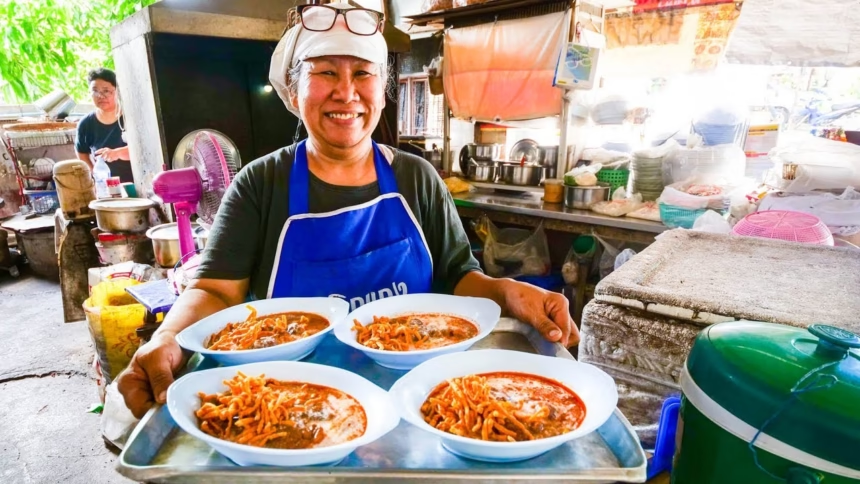
Chiang Rai may be famous for khao soi, but its food story reaches much further. This northern border province brings together Lanna traditions, Lao and Myanmar influences, Yunnanese Chinese cooking, and the foodways of more than 30 ethnic communities. The result is a cuisine with plenty of contrast, from herb-filled sai ua and smoky nam prik noom to Yunnanese noodles, steamed buns, and market snacks many visitors miss.
You’ll find these flavors in early-morning markets, the Chiang Rai Night Bazaar, and roadside stalls where many meals cost 40 to 100 baht. The province’s culinary identity also includes highland coffee from Doi Chang, Doi Tung, and Doi Wawee, along with tea, seasonal produce, and welcoming cafes. This guide pairs Chiang Rai’s best local dishes with practical tips on markets, coffee stops, prices, and easy ways to eat like a curious traveler. First, look beyond the familiar bowl of khao soi to the dishes that define Chiang Rai’s wider table.
Key Takeaways
- Chiang Rai cuisine goes beyond khao soi, with sai ua, nam prik noom, nam prik ong, and larb khua among its essential northern Thai dishes.
- Smoky chilies, fresh herbs, pork, sticky rice, and grilled foods shape many local meals.
- Chiang Rai Night Bazaar and Saturday Walking Street are reliable places to sample affordable street food.
- Mae Salong adds Yunnanese influences, including tea, steamed buns, and noodle dishes.
- Finish with highland coffee from Doi Chang, Doi Tung, or Doi Wawee, then explore these affordable local dishes in Chiang Rai.
Exploring Chiang Rai’s Culinary Heritage: Beyond Khao Soi
Chiang Rai’s food culture grew from its position at the meeting point of northern Thailand, Laos, Myanmar, and southern China. Trade routes, migration, and family kitchens carried ingredients and cooking methods across the Mekong region, then local markets gave them a distinctly Chiang Rai character.
A Lanna Foundation With Borderland Influences
Lanna cooking provides the foundation. Sticky rice, chili dips, fresh vegetables, grilled meats, herbs, and earthy broths appear throughout everyday meals. However, Chiang Rai should not be treated as a smaller version of Chiang Mai. Its border location created a food culture with its own mix of ingredients, techniques, and family recipes.
Thai Yai (Shan), Tai Lue, and Ngiao communities added important layers over time. Their influence appears in foods such as nam ngiao and khao ram fuen, while Yunnanese traditions can be found around Mae Salong. These dishes reflect movement and exchange rather than a single, fixed origin. The Lanna food traditions of northern Thailand offer useful context for understanding this shared regional foundation.
Herbs, Fermentation, and Smoky Heat
Chiang Rai cooks often build flavor with lemongrass, galangal, local herbs, chili, fish sauce, and fermented soybean products such as thua nao. Fermented ingredients add savory depth, while roasted chilies and charcoal grilling bring a smoky edge. Lao and Myanmar foodways also helped shape the region’s fondness for sharp, fermented flavors and grilled dishes.
Compared with many Central Thai curries, northern food usually uses less coconut milk. The flavors are more herbal, salty, smoky, and earthy, with chili paste often replacing a rich coconut-based sauce. Soybeans, herbs, and seasonal vegetables also play a larger role than many visitors expect.
To find these flavors, skip polished tourist menus occasionally and browse Kad Luang, walking streets, and small neighborhood stalls. Asking vendors for authentic Thai food in Chiang Rai can lead you toward recipes that families and local cooks still prepare every day.
The Chiang Rai Dishes to Try After Khao Soi
Khao soi may be Chiang Rai’s best-known dish, but local food becomes more interesting when you look at what people eat alongside it. These dishes bring together Tai, Lanna, Burmese, and market traditions in portions that are easy to share.
Khao Ram Fuen Shows the Region’s Tai Yai and Tai Lue Roots
Khao ram fuen, also called khao ram keun, is linked to Tai Yai and Tai Lue communities from Sipsong Panna, also known as Xishuangbanna in Yunnan, China. The dish later became part of Chiang Rai’s local food culture, as Michelin’s Chiang Rai food feature explains.
Made from a soft rice-based mixture, it has a smooth, tender texture and savory flavor. It may look plain beside a colorful curry, yet that gentle texture makes it a satisfying change after a rich bowl of noodles. Ask about it at local markets if you want a dish with a less familiar regional story.
Khao Ngiao and Khao Kan Chin Tell a Story of Ngiao Foodways
Khao ngiao, khao kan chin, and chin som refer to a steamed rice and pork dish associated with Thai Yai, or Ngiao, communities. Cooks mix rice with minced pork and seasonings, then steam it in banana leaf. Vendors may serve it with fried garlic, dried chilies, or cucumber.
Because recipes and names vary, two stalls may offer noticeably different versions. The dish is filling, portable, and common as a breakfast or market food, especially when you need something substantial before sightseeing.
Gaeng Hung Lay Brings Slow-Cooked Lanna Flavor
Gaeng hung lay is a fragrant Northern Thai pork curry with Burmese influence. Slow cooking softens the pork while ginger, garlic, tamarind, and warm spices build a rich sweet-sour flavor. Unlike many Central Thai curries, it usually contains no coconut milk.
Restaurants often serve it with rice as part of a shared meal. Order a small portion alongside vegetables or sausage so the curry doesn’t overpower everything else.
Sai Ua and Nam Prik Turn Simple Meals Into Local Feasts
Sai ua is a grilled Northern Thai sausage filled with herbs and spices. Pair it with sticky rice and nam prik, a family of chili dips that ranges from smoky tomato-based nam prik ong to sharply spicy green chili versions.
These foods work at breakfast, as snacks, or as market purchases. Ask about the heat before ordering, then browse the Chiang Rai Night Bazaar food stalls for easy sampling. Small portions of sticky rice, fresh vegetables, and simple sweets complete the table.
Where Chiang Rai’s Food Culture Comes Alive
Chiang Rai cuisine makes the most sense when you follow the city’s daily rhythm. Start early for breakfast, choose a quick rice plate at lunch, then graze through the Night Bazaar before settling into a coffee shop or riverside restaurant.
Start Early at a Morning Market
Morning markets are ideal for seeing how Chiang Rai eats before the sightseeing day begins. Look for khao tom, rice and curry, sliced fruit, sticky rice, curry packed in small plastic bags, and nam prik with fresh vegetables. Portions can be small, which makes it easy to try several foods without ordering a full meal.
Walk beyond the front rows, too. The back sections often sell prepared local foods at lower prices, especially items made for residents buying breakfast or lunch to take home. Arrive early because popular dishes may sell out, and some vendors begin packing up before midmorning. The Chiang Rai morning market guide offers more detail on local market timing and foods.
Choose Shophouses for Everyday Rice and Curry
Central Chiang Rai has a relaxed shophouse culture, especially along the corridor between the clock tower and the bus terminal area. Many rice-and-curry shops display trays of cooked food near the entrance. Diners point to what they want, choose rice with one or two curries, and sit at simple tables for a quick meal.
These shops show how locals eat on ordinary days. Menus change with the morning cooking, so you may find pork curry, stir-fried vegetables, fried egg, or a regional chili dish beside familiar staples. Go before lunch crowds arrive, since popular trays can disappear quickly.
Use the Night Bazaar to Sample Many Small Bites
The Night Bazaar is a flexible evening stop for sai ua, grilled skewers, sticky rice, noodles, desserts, fruit shakes, and cold drinks. Order a few small items instead of one large meal, then compare smoky sausage, spicy dips, sweet snacks, and fresh fruit in one visit.
Crowds, seating, and vendor selection can change from night to night. Arrive early for easier seating, or visit later when the market feels livelier.
Make Time for Highland Coffee and Comfortable Dining
Chiang Rai’s highland arabica connects the city with areas associated with Doi Chang and Doi Tung. For a closer look, follow this Doi Chang coffee guide.
Modest coffee stalls offer strong local brews, while air-conditioned cafes and riverside restaurants provide more space and comfort. Higher-cost dining is a setting choice, not a more authentic replacement for markets.
Fast Facts and Costs for Eating in Chiang Rai
Chiang Rai is easy to enjoy on a modest food budget. In August 2026, local markets and street stalls offer filling meals for under 100 THB, while cafe dining and riverside restaurants cost more because of comfort, setting, and service. For extra budget food in Chiang Rai, follow the crowds and compare portion sizes before ordering.
Prices vary by location, ingredients, portion size, and whether you eat at a market, shophouse, cafe, or tourist-focused restaurant. Use these figures as practical planning ranges, not fixed menus.
| Food experience | Typical price in Thai baht | What to expect |
|---|---|---|
| Market breakfast or khao tom | 40-60 THB | Congee, rice dishes, or simple morning meals |
| Rice and curry | 45-90 THB | One or two curries with rice |
| Street main | 40-90 THB | Noodles, grilled meat, or a prepared local dish |
| Dessert | 20-50 THB | Sticky rice, sweets, fruit, or snacks |
| Drink | 30-60 THB | Thai tea, smoothie, soda, or bottled water |
| Cafe coffee | 65-90 THB | Espresso-based drinks at a city cafe |
| Local coffee beans, 250 grams | 150-600 THB | Prices vary with roast, farm, and processing |
| Sai ua pack | 120-200 THB | Takeaway northern sausage for sharing |
| Nam prik jar | 60-120 THB | Chili dip for meals or souvenirs |
| Comfortable cafe meal | 250-450 THB | A full meal in a pleasant, air-conditioned setting |
| Quality riverside dinner | About 800-1,400 THB per person | Multiple dishes, drinks, and table service |
How Much Should You Budget?
You can eat well for under 100 THB at a local market, especially with rice and curry, khao tom, or a street-food main. Add dessert and a drink, and many casual meals still stay below 200 THB.
However, atmosphere raises the bill. A comfortable cafe meal may cost several times more, while a riverside dinner charges for the setting, longer service, and broader menu. A useful daily food budget is therefore flexible: eat locally for most meals, then reserve extra baht for one relaxed cafe or riverside experience.
A Simple Step-by-Step Guide to Eating Like a Local
A practical Chiang Rai food route starts early, slows down in the afternoon, and ends with small bites at the Night Bazaar. You can complete it in one day, or split the stops across two days if you want more time for temples, cafes, and nearby villages.
Follow This One-Day Food Route
- Begin with breakfast at a morning market. Visit Kad Luang, also known as Municipal Market 1, and look for khao ngiao, rice porridge, grilled pork, sticky rice, or curry packed to take away. Municipal markets can open early, but hours vary, so arrive before 9 a.m. for the broadest selection. Carry small cash because many vendors don’t accept cards. You can also compare local produce and prepared foods using this guide to Chiang Rai fresh food markets.
- Choose a shophouse rice-and-curry lunch. Around late morning or midday, find a busy shop with trays of cooked food near the entrance. Ask for one curry with rice, then add a second dish only if the portion looks small. Try one heritage dish, such as khao ram fuen, khao kan chin, or gaeng hung lay, rather than ordering only familiar Thai favorites.
- Share a side and check the heat. Add nam prik with vegetables or sticky rice, then order sai ua, grilled pork, or another charcoal-cooked item. Ask, “Phet mai?” before ordering, since local chili pastes can be much hotter than expected. If you have a food allergy, state the ingredient clearly and ask how the dish was prepared. Take the answer seriously, especially with sauces, fermented products, peanuts, seafood, and shared woks.
- Stop for coffee or a local product in the afternoon. Try Chiang Rai arabica at a city cafe, or buy tea, coffee beans, dried fruit, and chili products for later. If you have two days, a trip to Doi Chang adds a highland coffee stop, and Doi Chang visitor information can help with planning.
- Finish by grazing at the Night Bazaar. Arrive around 6 to 7 p.m., then split grilled skewers, noodles, sticky rice, dessert, and one local drink such as Thai iced tea or a fruit shake. The Chiang Rai Night Bazaar guide is useful for checking the market layout before you go.
Local Tips and Common Mistakes to Avoid
Eating well in Chiang Rai depends on small choices. Follow local habits, ask simple questions, and give unfamiliar dishes enough room to surprise you.
Read the Stall Before You Order
Busy stalls usually have high food turnover, especially around breakfast and dinner. Look for visible cooking, organized ingredients, clean prep surfaces, and locals waiting for takeaway. An empty stall at peak mealtime may mean the food has been sitting too long.
If language is limited, point to the dish you want, show the portion size, and check the price first. Watch how diners use sticky rice, too. They usually pinch off a small piece, roll it lightly, and use it to scoop nam prik or a bite of grilled meat.
Don’t assume every Northern Thai dish tastes alike. Nam prik noom is smoky and green, nam prik ong is tomato-based, and gaeng hung lay is rich with warm spices. Try breakfast, when markets offer khao ngiao, rice porridge, grilled pork, and other foods many visitors miss.
Street prices also differ from restaurant prices. A 60-baht sausage plate can become a much larger bill after table service, drinks, and side dishes.
Shop Carefully and Eat Safely
For packaged coffee, tea, dried fruit, or chili products, compare clearly marked prices at Kad Luang, the Night Bazaar, or a supermarket. Weekend markets are excellent for crafts, including Chiang Rai Walking Street food and crafts, but ask who made an item instead of using vague phrases such as “hill tribe food” or “hill tribe products.” Name the community, dish, or craft when the vendor provides that information.
Choose hot food cooked in front of you, drink sealed bottled water, and take care with raw seafood, raw garnishes, and fermented fish or crab. Travelers can review practical Thai street food safety advice before visiting. Adventure belongs on your plate, but clean water and fully cooked food should guide the final order.
Frequently Asked Questions
Chiang Rai food becomes easier to enjoy when you know what to expect at the stall, market, or restaurant. These answers cover common concerns about spice, ingredients, regional differences, and edible souvenirs.
Is Chiang Rai food very spicy?
Heat varies by dish and vendor. Chili dips such as nam prik noom can be very hot, while gaeng hung lay, rice dishes, and some noodle soups are milder. Ask for “mai phet” if you want less spice, then balance chili-based dishes with rice, vegetables, or a mild curry.
What is the best place to find traditional Chiang Rai food?
Choose a morning market for breakfast foods such as khao ngiao, rice porridge, grilled pork, and sticky rice. Shophouses suit an everyday lunch, especially rice with one or two curries, while night markets are best for sampling several small dishes in one visit. Kad Luang is a useful daytime stop, and the Chiang Rai Night Bazaar food guide can help with evening planning.
How is Chiang Rai cuisine different from Chiang Mai cuisine?
Both cuisines share Lanna foundations, including sticky rice, herbs, grilled meats, chili dips, and fermented flavors. Chiang Rai’s border location adds stronger Thai Yai, Tai Lue, Lao, Myanmar, and Chinese influences, particularly in foods found around local markets and Mae Salong.
Can vegetarians find food in Chiang Rai markets?
Yes, rice, vegetables, tofu, noodles, and some khao ram fuen preparations may work. However, fish sauce, shrimp paste, pork, and meat stock often hide in otherwise vegetable-based dishes, so confirm every ingredient and state your needs clearly. Dedicated vegetarian dining in Chiang Rai is safer for strict diets.
What food souvenirs should visitors bring home?
Locally roasted coffee beans, sealed nam prik, and packaged dry spices are practical choices. Sealed sai ua may travel well within Thailand, but meat products can face strict destination rules. Check labels, storage needs, shelf life, airline policies, and customs requirements first. For U.S. arrivals, review USDA coffee rules and declare agricultural products to U.S. Customs and Border Protection.
Conclusion
Khao soi is only the introduction to Chiang Rai’s culinary heritage. The province’s food becomes more distinctive when you try Thai Yai and Tai Lue dishes such as khao ram fuen, sample Ngiao-linked khao ngiao, and notice how borderland communities shaped local recipes.
Markets and shophouses show the everyday side of Chiang Rai cuisine, while the Night Bazaar makes it easy to compare affordable street food with more comfortable dining. A cup of highland arabica adds another layer to the experience, connecting local food culture with the coffee-growing communities in the hills. Learn more about Chiang Rai’s specialty coffee industry.
Follow your curiosity, order small portions, and ask about unfamiliar dishes. Each bite can reveal a little more of Chiang Rai’s Thai, Lao, Myanmar, and Chinese borderland history.