




Last Updated on April 1, 2026 by Jeff Tomas
CHAING RAI – Hotel owners, tour guides, and shopkeepers fear that the haze and PM2.5 air pollution from wildfires, fuel shortages, and high prices might keep visitors away during the Songkran 2026 Holiday.
Locals and travelers wonder if water fights and temple trips can happen with smoky air and dry gas pumps.
Songkran runs from April 13 to 15. It marks Thailand’s New Year with parades, parties, and hill getaways. Crowds usually flood the North. This time, things feel off. Bookings dropped, so business folks hope for quick fixes.
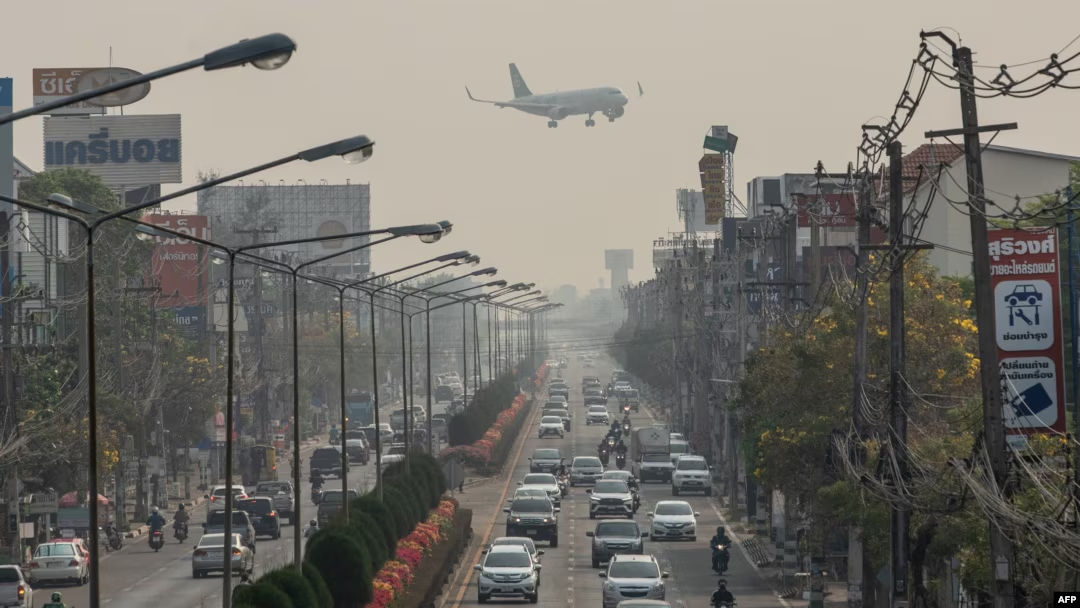
Wildfires and farm burning cover Northern Thailand in smoke. PM2.5 particles, small bits that hurt lungs, hit dangerous levels. They stay in red and orange zones. In late March 2026, Chiang Mai became the world’s top-polluted city for a bit. Its Air Quality Index topped 230.
Chiang Rai, Lamphun, and Mae Hong Son saw the same spikes. Reports showed over 2,000 fire hotspots in one day. Still winds hold smoke in valleys. Visibility drops, and the air smells sharp and thick.
Doctors say this dust goes deep into the body. Kids, older folks, and those with lung problems feel it worst. In Chiang Rai, parents see kids with nosebleeds from the haze. Coughs, sore eyes, and runny noses rise everywhere. More than half the people in smoky areas report issues.
A Chiang Rai mom said, “My son had another nosebleed this week. We keep him indoors, but school breaks make it tough.” Schools give out masks. Health centers tell kids to skip outdoor play.
Tourists lose interest fast. Who wants elephant rides, trail walks, or street markets under orange skies? Breathing gets hard. Many check air apps before trips. “Very unhealthy” ratings send them to beaches instead.

Current Haze Levels in Chiang Rai and Chiang Mai
PM2.5 often reaches 100 to 200+ micrograms per cubic meter in hot spots. That’s way over the WHO’s safe limit of 15 daily. Chiang Mai led the world pollution charts several times in March 2026. AQI passed 220 on bad days.
The North has had over 600 hotspots lately from farm fires and dry woods. Forecasts predict high pollution into early April, right as Songkran starts. Business owners track these stats every day. A Chiang Mai guide noted, “Red air means foreigners cancel. They text about smoke bothering their kids or parents.”
Smoke isn’t the only issue. Fuel shortages cause long waits at stations across Northern Thailand. Pumps empty fast after trucks arrive. Diesel and gas prices rose about 6 baht per liter after subsidy shifts. Drivers face record costs.
Panic buying boosted demand. Folks topped off tanks for the holiday. In Chiang Rai and other spots, stations cap sales or shut early. Northbound drivers wait over an hour, then see “no diesel” signs.
Officials say supplies last through Songkran, so stay calm. They launched apps for stock checks and ramped up deliveries. Rural areas still struggle, however. Bus companies hold off on tickets and drop some routes.
A Chiang Rai hotel driver shared, “I lined up at 5 a.m. but couldn’t fill the van. How do I get guests from the airport?”
Stations see lines overnight. They run out several times weekly. Higher prices hike costs for family drives and tours. Delivery trucks lag, so food and goods cost more.
Thai families feel this most. They often drive or bus north for Songkran. Fuel fears push them to short trips or home stays.
Hotels Drop Rates to Fill Rooms
Fewer bookings force hotels in Chiang Mai, Chiang Rai, and nearby spots to cut prices. Budget and three-star places offer 20-40% off. Fancier ones give 10-15% discounts or deals.
A Chiang Mai resort boss said, “Full rooms at lower rates beat empty ones. Haze and fuel stories chased early bookers, so we cut fast.”
Tour companies add indoor fun or clean-air rides. Still, many doubt discounts work if the air stays bad or fuel runs low. Small spots hurt too. Guesthouses, eateries, and gift shops near White Temple or Doi Suthep need holiday visitors. A dull Songkran follows a hard, dry spell.
Songkran normally sparks joy and cash flow. Now, wildfire PM2.5 pollution, kid health scares like nosebleeds, and fuel queues with high prices breed worry.
Travelers pick clearer southern beaches. Some check weather apps and pray for rain. Officials fight fires better and fix fuel flow. Locals hope but face facts. A Chiang Rai hotel owner said, “We love guests. Families pick safety over water fights this time, and we get it.”
Groups want better updates on air and fuel. They push indoor events to save tourism.
April starts now. Watch skies and stations. Will smoke clear? Will lines shrink? Northern operators offer deals, masks, and plans. They hope Songkran keeps some cheer.


