



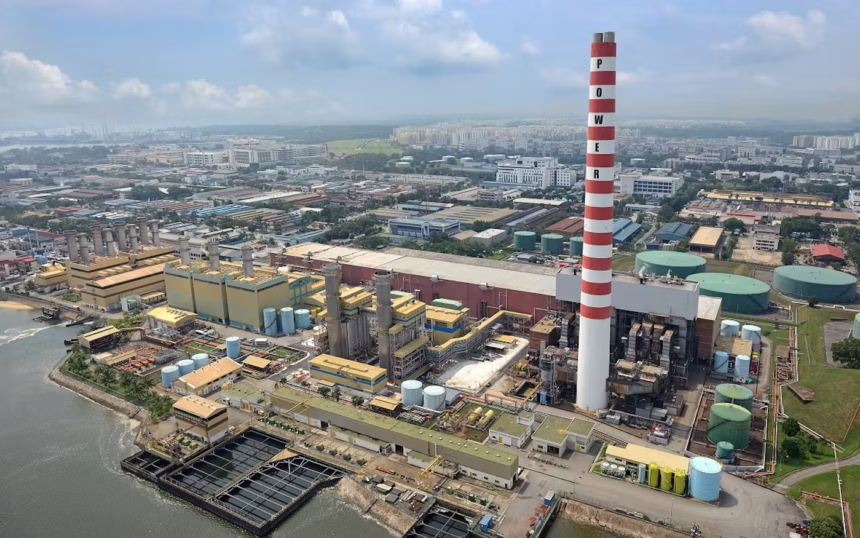
Singapore is taking bold steps to maintain a stable energy supply after Indonesia announced a sudden reduction in natural gas exports. The neighboring country decided to divert pipeline gas to meet its growing domestic electricity needs, sparking regional energy discussions. Despite this shift, officials in Singapore assure the public that power plants are well-prepared and currently operating smoothly on backup fuel reserves.
This unexpected move by Indonesia highlights the complexities of cross-border energy trade and the delicate balance of regional resources. For decades, natural gas has been the backbone of Singapore’s power grid, with a significant portion arriving through pipelines from Indonesia and Malaysia. As a result, this supply cut emphasizes the urgent need for Singapore to diversify its energy sources and reduce dependency on singular trade routes.
Key Takeaways
- Indonesia recently reduced pipeline natural gas exports to Singapore by roughly 9% to support its own domestic electricity demands.
- Singapore’s power plants remain fully operational, temporarily relying on robust backup fuel reserves and liquefied natural gas imports.
- To ensure long-term stability, Singapore plans to build five new gas-fired power plants and expand its liquefied natural gas capacity by 2031.
With the immediate situation under control, energy experts are closely monitoring how Indonesia balances its domestic energy requirements against international export commitments. According to industry analysts, keeping more gas at home reflects a global challenge where nations must decide between exporting valuable resources or retaining them for local citizens. If this policy signals a long-term pivot for Indonesia, the trend could profoundly impact future energy trade agreements across Southeast Asia.
Fortunately, the supply reduction accounts for a very small fraction of Singapore’s overall natural gas needs, preventing any immediate fuel shortages or sudden power outages. To offset the pipeline disruptions, Singapore is actively utilizing liquefied natural gas, which it receives via specialized ships from various international markets. Having these diverse delivery methods allows the city-state to maintain impressive flexibility when regional pipeline deliveries face unexpected hurdles.
Strategic Moves to Strengthen Energy Infrastructure
Looking ahead, Singapore is not simply waiting for the situation to resolve itself, but rather taking proactive measures to guarantee future energy security. The government has recently unveiled a comprehensive five-year infrastructure plan designed to modernize the grid and significantly expand electricity generation capacity. Between 2026 and 2031, five new natural gas-fired power plants will become operational, expanding the nation’s total generation capacity by more than a quarter.
Additionally, Singapore is making massive financial investments in solar power and advanced energy storage systems to create a more resilient and sustainable power grid. Authorities are also expanding the country’s import capacity for liquefied natural gas to easily buy fuel from a wider variety of global suppliers. These strategic infrastructure upgrades will effectively guard against future supply shocks and ensure that local homes and businesses always have reliable access to electricity.
The Ministry of Energy and Industry continues to urge businesses and households to remain completely calm, emphasizing that the current energy reserves are more than sufficient. While the sudden policy shift from Indonesia caused a brief ripple of concern, Singapore’s robust contingency plans have successfully prevented any real-world power disruptions. Ultimately, respecting international trade contracts and maintaining stable daily deliveries will remain absolutely crucial for fostering strong, cooperative energy relationships throughout the entire region.
A Broader Shift in Regional Energy Dynamics
As Southeast Asia continues to experience rapid economic growth, the overall demand for reliable electricity is reaching unprecedented heights across all neighboring nations. Indonesia’s recent decision to prioritize its own citizens is a clear indicator that regional governments are facing immense pressure to secure local power supplies. Consequently, countries that historically relied heavily on imported energy must now radically rethink their long-term strategies and invest heavily in domestic infrastructure and alternative energy.
In response to this rapidly evolving landscape, Singapore’s aggressive push toward renewable energy and modernized power plants serves as a fantastic model for regional adaptability. By blending traditional natural gas imports with cutting-edge solar technology and massive storage batteries, the country is building a truly future-proof power grid. This balanced, forward-thinking approach not only protects against sudden export cuts but also perfectly aligns with broader global efforts to transition toward cleaner energy sources.
Moving forward, close collaboration and transparent communication between Singapore and Indonesia will be absolutely essential to successfully navigate these complex, shifting energy challenges. While both nations must naturally prioritize their own economic and energy needs, finding a mutually beneficial middle ground is vital for sustained regional stability. For now, Singapore’s power plants will confidently continue running seamlessly, proving that careful planning and diverse supply chains are the ultimate keys to modern energy security.


