There is an unmistakable shift in the air when autumn deepens into winter season. The clocks fall back, the afternoon shadows stretch lean across the fells, and an instinctual urge sets in to retreat indoors. For many, the shrinking daylight feels like a closing door on adventure—a seasonal curfew that nudges walking boots into cupboards and keeps us tethered to centrally heated living rooms.
Yet to view winter solely through the lens of lost hours is to miss its greatest gift. What cold-weather days lack in duration, they more than compensate for in atmosphere. Summer’s blinding midday glare is replaced by a low, amber sun that clings to the horizon, bathing rugged ridges, dormant woodland, and frosted heather in an unbroken wash of cinematic warmth.
Chasing this light demands a deliberate change in perspective. It invites us to swap frantic, high-mileage treks for intentional wanders, to master our personal microclimates against the biting chill, and to discover that with the right approach, a two-hour winter golden hour can easily outshine a whole day under a flat July sky.
The Anatomy of Cold-Weather Light
During high summer, golden hour is a fleeting preamble to twilight, gone almost before you have unpacked your camera or paused your stride. The sun climbs steep, drops hard, and leaves behind long stretches of harsh, bleached light that flattens textures and washes out the colour of the land.
In the depths of the colder months, the physics of our atmosphere shifts the entire visual experience:
- A Lingering Horizon: Because the sun never rises particularly high in the northern sky, it travels on a shallow, sweeping arc. The fiery tones of late afternoon do not vanish in fifteen minutes; they linger for hours, stretching shadows across valleys and illuminating every contour of the topography.
- Atmospheric Clarity: Cold, dry air holds significantly less moisture and haze than warm summer humidity. Every ridgeline, drystone wall, and distant peak stands out in razor-sharp relief.
- Reflective Frost: When a low-angled sun strikes a hillside coated in rime or hoarfrost, the terrain acts like a natural reflector, scattering pink, honey, and pale violet tones across the scene.
Wandering under this light feels deeply meditative. The landscape ceases to be merely a surface to cross quickly and becomes a living, breathing canvas of warm tones set against freezing ground.
Timing, Route Choice, and the Art of the Micro-Adventure
Making the most of these luminous hours requires a different tactical approach to your day. You are no longer packing for an open-ended epic; instead, you are orchestrating a precise, rewarding micro-adventure designed around a specific window of light.
Choosing Your Aspect
Not every trail is created equal when the sun sits low. A deep, north-facing glen will sit in dim shadow long before sunset, whilst an open western shoulder will drink in every drop of radiant light until dusk. Seek out routes that offer expansive western or south-western horizons—coastal paths, high moorland edges, or summits with unencumbered views over open water.
Calibrating Your Ascent
Timing is everything. Arrive at your vantage point too early, and you will freeze while waiting for the colour to develop; arrive too late, and the show is over before your heartbeat slows. Aim to reach your chosen viewpoint roughly forty-five minutes before the official sunset time. This gives you ample breathing room to shed your pack, settle in, and watch the subtle transition from bright amber to deep copper without rushing.
Factoring in the Return
A common pitfall of winter wandering is forgetting that when the golden hour ends, temperatures plummet instantly and darkness arrives rapidly. Always carry a reliable headtorch with fresh batteries in an easily accessible pocket of your pack, never buried at the bottom. The descent under a violet twilight or a star-strewn sky is one of the most magical parts of the journey, provided you are properly prepared to navigate by torchlight.
Mastering the Warmth Equation
The romance of a winter sunset quickly evaporates if your teeth are chattering. Staying comfortable while chasing golden hour presents a distinct physiological puzzle: you must generate enough body heat to climb steep slopes without drenching your clothes in sweat, and you must hold onto that precious heat the moment you stop moving to admire the view.
The secret lies in an active, disciplined layering routine.
[ Wicking Baselayer ] –> [ Breathable Mid-Layer ] –> [ Static Down Layer (In Pack) ] –> [ Windproof Shell ]
(Moves sweat away) (Regulates warmth) (Deploys immediately on pause) (Blocks freezing wind)
- Start Cold: When setting out from the car or trailhead, resist the urge to bundle up. You should feel slightly cool during the first five minutes of movement. As your muscles warm up, your working temperature will sit right in the sweet spot, preventing sweat buildup.
- Ventilate on the Ascent: Use zips, roll up sleeves, and swap a heavy woolly hat for a lightweight headband while climbing. Moisture is the ultimate thief of body heat; once damp fabric cools against your skin, hypothermia becomes a genuine risk.
- The Instant Bivvy Layer: The second you reach the summit or ridge to watch the sunset, do not wait until you feel chilly to layer up. Trap your residual engine heat immediately.
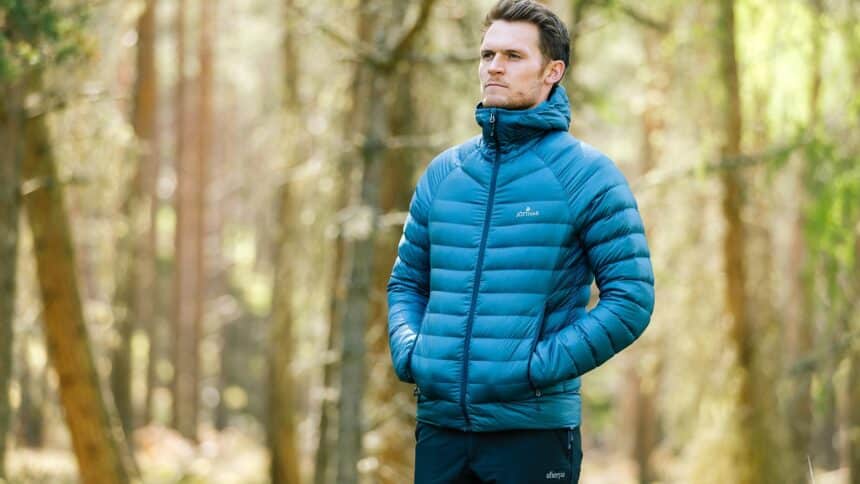
This is precisely where high-grade insulation earns its place in your rucksack. When researching technical equipment designed to withstand biting ridgeline winds, looking at real-world feedback from seasoned mountaineers and hillwalkers offers clear direction. For example, outdoor product testers and real-world Jottnar reviews frequently highlight their technical down jackets for delivering an outstanding warmth-to-weight ratio and robust weather resilience, providing deep, dependable loft that traps ambient body heat instantly without taking up unnecessary room or adding dead weight to your pack.
Having that kind of reliable, packable warmth tucked away gives you the confidence to linger on high ground, sipping a thermos of hot tea and soaking in the panorama, rather than being chased down the hill by an icy draft.
Savoring the Twilight and the Mental Reset
There is a distinct psychological moment that occurs right as the gold fades into the deep indigo of the blue hour. The horizon turns the colour of bruised plums, the temperature drops another couple of degrees, and an overwhelming quiet settles over the landscape.
In our hyper-connected routines, our attention is constantly fragmented by endless pings, shifting priorities, and artificial lighting that tricks our biology into believing it is perpetually noon. Standing on an empty hillside as natural night takes over acts as a profound mental reset.
- Heightened Sensory Awareness: Without the distraction of midday warmth and busy crowds, your senses sharpen. You notice the crisp bite of the air in your lungs, the crunch of frozen gravel under your tread, and the vast scale of the sky overhead.
- Forced Presence: The cold acts as an honest anchor. You cannot worry about tomorrow’s calendar when you are actively managing your layers, monitoring your footing, and tracking the fading light. It demands absolute presence.
- The Rewarding Return: Walking the final miles down the track by the beam of a headtorch, with the distant, warm lights of a village or your car glowing in the valley below, imparts a deep, primal satisfaction that no summer stroll can replicate.
The Path Forward
The onset of shorter days is not a signal to hibernate; it is an open invitation to wander with greater purpose. By learning the rhythm of cold-weather light, timing your journeys to coincide with the sun’s lowest arcs, and carrying the protective layers needed to outsmart the dropping mercury, you unlock the most atmospheric season of the year.
The next time you see a clear afternoon forecast paired with a freezing northerly breeze, fight the gravity of the sofa. Pack your flask, slip your insulation layer into your bag, pull on your boots, and set off into the low-angled sun. The golden hour is waiting.
Where is your absolute favourite vantage point to catch a winter sunset?