




Last Updated on March 18, 2026 by Jeff Tomas
If you’re craving a trip that helps you slow down, sleep better, and come home feeling like yourself again, Northern Thailand wellness retreats stand out in 2026. The region offers a rare mix of cooler mountain weather, a calmer pace, and a wellness culture that feels rooted, not rushed.
That’s a big part of the appeal. In places like Chiang Mai, Chiang Rai, and Pai, it’s easy to find retreats built around Thai healing, meditation, yoga, detox programs, and quiet time in nature. As a result, the experience often feels more personal than a standard spa break.
This guide will help you sort through the best options across those three areas. Chiang Mai leads with the widest range of yoga, detox, and holistic stays, while Chiang Rai suits travelers who want deeper calm and meditation. Pai, meanwhile, draws people who want laid-back mountain energy and a softer, more bohemian reset.
The right retreat depends on what you need most. Some travelers want stress relief and rest, others want spiritual growth, a full body reset, or a more luxurious escape with wellness built in. So before you book, it helps to match the retreat style to your goal, not just the location.
What makes a Thai wellness retreat worth booking in 2026
A great Thai wellness retreat in 2026 should do more than look good on Instagram. The best ones have a clear program, skilled teachers, a setting that supports rest, and food that matches the retreat’s purpose. Just as important, they offer real value for money, not a long list of extras that never quite add up.
Travel trends also point in a clear direction. Many guests now want gentler, more personal wellness. That includes monk-led meditation, soft detox plans instead of hard fasting, yoga mixed with qigong, herbal therapies, and time in nature that actually feels restorative, as noted in recent wellness travel insights for Thailand in 2026.
Choose your main goal before you compare retreats.
The fastest way to narrow your options is to decide what you want the retreat to change. If you skip that step, pretty photos can pull you toward the wrong place. A jungle pool means very little if the program doesn’t fit your needs.
 A simple filter helps:
- Meditation and mindfulness: Best if you want stress relief, quiet, and deeper inner work. In Northern Thailand, some retreats add temple visits or monk teachings, which can make the practice feel more grounded.
- Detox and clean eating: Look for balanced plans with whole foods, juices, herbal support, and proper guidance. In 2026, gentle detox is far more appealing than extreme fasting.
- Yoga and movement: Check whether the retreat offers only yoga, or a broader mix like breathwork, qigong, mobility, and recovery sessions.
- Culture and wellness: These retreats blend healing with local life, often through cooking classes, temple time, or herbal traditions.
- Private luxury healing: Ideal if you want one-on-one care, privacy, and a more tailored pace.
The best retreat isn’t the fanciest one, it’s the one built for your goal.
Look beyond the spa and check what is really included
A retreat can seem affordable until you see what’s missing. That’s why the real test is the package details, not the headline rate. Prices also shift by season and room type, so compare like for like.
Start with the basics. Does the price include airport pickup, a wellness consult, daily classes, and full meals? Then look closer. Some retreats advertise yoga, but only offer beginner classes. Others list treatments, yet give only a small massage credit. Digital detox rules matter too. If you want true quiet, check whether devices are limited in common spaces.
Ethical activities are another clue. A stronger retreat may include local, low-impact outings such as temple visits, herbal workshops, or guided nature walks instead of tourist-heavy add-ons. If culture is part of the promise, make sure it’s actually in the package. Practical planning guides, like this Thailand retreat planning overview, can help you compare those details before you book.
In short, value comes from what supports your reset, not from how long the spa menu looks.
The best wellness retreats in Chiang Mai for detox, yoga, and balanced healing
Chiang Mai is the most flexible wellness base in Northern Thailand. It gives you easy access, strong retreat options, mountain views, and a choice between city comfort and quiet countryside stays. If you want one place that can handle a hard reset, a softer yoga break, or a mix of healing and culture, this is it.
The retreats below stand out for different reasons. Some are built for strict structure, while others leave more room to breathe. That difference matters because the best stay is the one that fits your energy, budget, and travel style.
The Pavana Chiang Mai Resort is best for a focused detox reset
If your goal is a true reset, The Pavana is one of Chiang Mai’s stronger detox picks. The focus is clear: raw food detox, herbal cleansing, daily meditation, and yoga in a peaceful mountain setting that helps you slow down fast. You are not just booking a pretty room with a wellness label. You are stepping into a program with a firm rhythm.
That structure is the main draw. Days are built around clean eating, guided practices, and rest, which can help if you want to break old habits and feel lighter in both body and mind. For a 7 to 10 night stay, expect roughly $1,500 to $2,500, depending on room type and package details. You can get a feel for the retreat’s detox focus through the Chiang Mai Detox retreat site and a general Pavana resort overview.
Still, this is not the best match for everyone. If you want casual spa time, flexible meals, or more social energy, it may feel intense. In other words, the Pavana works best when you’re ready to commit, not just dip a toe in.

Aleenta Retreat Chiang Mai, best for wellness with comfort and culture
Aleenta Retreat Chiang Mai suits travelers who want wellness without cutting themselves off from comfort or the city’s cultural side. The experience blends yoga, meditation, spa treatments, and local touches, including access to temple-focused outings and a setting close enough to enjoy Chiang Mai beyond the retreat walls.
That mix is what makes it appealing. You can start the day with mindfulness practice, ease into spa time in the afternoon, then still have room for cultural moments that make the trip feel rooted in place.
Pricing usually lands around $2,000 to $3,000, so it sits in the premium range, but the balance of style and substance will make sense for many readers. Aleenta’s own pages on the boutique wellness retreat and its yoga and mindfulness program show that comfort is a core part of the stay.
The trade-off is simple. It is less of a strict detox retreat and more of a polished, rounded escape. So if you want deep cleansing or very austere practice, you may want something more focused.
Flow Yoga Chiang Mai is best for an affordable and simple recharge
Flow Yoga Chiang Mai has a quieter, more home-like feel than a full-service resort. That can be a real plus. Instead of polished luxury, the focus stays on mindfulness, yoga, meditation, and simple daily rhythm, which often feels more personal, especially for solo travelers.
Because the setup is straightforward, the price is easier to handle. Most stays fall around $800 to $1,500, which makes it a smart pick for beginners, independent travelers, and anyone who cares more about practice than extras. Current retreat listings on WeTravel and Retreat Guru reflect that simpler positioning.
Of course, the lower price comes with fewer frills. If you want a luxury spa, high-end dining, or a long menu of therapies, this won’t be your place. But if you want to breathe, practice, and reset without overspending, it does the job well.
Root Whole Body Thailand Retreat is best for deep cultural immersion
Root Whole Body stands out because it goes beyond resort-style wellness. The retreat combines daily yoga, qigong, meditation, Lanna massage, and guided cultural activities, so the healing feels tied to Northern Thailand rather than placed on top of it. For travelers who want a local connection, that matters.
This is the retreat for people who want meaning along with movement. Instead of spending all your time inside a wellness bubble, you get a richer blend of practice and place. A 10-night stay typically runs about $3,000 to $4,500, which reflects both the program depth and the guided cultural side. The 2026 Thailand wellness retreat page gives the clearest picture of that format.
The downside is the higher cost and stronger group structure. Yet if you want healing with context, not just another poolside massage, Root Whole Body is one of Chiang Mai’s most memorable options.

Where to go beyond Chiang Mai, Chiang Rai, for meditation, and Pai for nature-led healing
Northern Thailand wellness doesn’t stop at Chiang Mai. Chiang Rai feels quieter and more inward, with river air, temple country, and a stronger spiritual pull. Pai moved differently. It’s softer, greener, and more tied to mountains, slow mornings, and nature-led rest.
If Chiang Mai gives you range, these two places give you mood. Chiang Rai suits readers who want stillness and focus. Pai fits those who want healing that feels open-air, scenic, and a little more free-form.
Pa Sak Tong Villa near Chiang Rai, best for private luxury and quiet healing
Pa Sak Tong Villa feels less like a retreat center and more like a hidden estate. You’re surrounded by forest, river calm, and the kind of silence that makes your shoulders drop. The setting is deeply private, which is a big part of the appeal for couples or small groups who don’t want a crowded program.
Wellness here leans personal rather than packed. You can arrange yoga, meditation, massage treatments, and steam room time, then spend the rest of the day by the solar-heated pool or walking the grounds. Recent property details also point to private chef service, organic gardens, and add-on experiences such as river outings and light nature activities, which help the stay feel restorative without being rigid.
Expect pricing in the range of about $3,500 to $5,500, depending on villa size, season, and inclusions. In short, this is a strong pick for luxury travelers, honeymooners, or close friends traveling together. It’s not the right match for budget seekers, and it doesn’t try to be.
Yonder Northern Thailand Wellness is best for meditation, monk wisdom, and multi-stop travel.
Yonder Northern Thailand Wellness works best if you want a retreat that moves with you. Instead of staying in one property the whole time, the experience blends daily yoga, meditation, cultural visits, river cruising, and time with monks or spiritual teachers across different parts of the north. That gives the trip a guided-travel feel, not just a stay with classes attached.
That format will click with readers who want both structure and variety. One day may center on meditation and monk wisdom, while the next opens into a river cruise or local cultural stop. Based on current retreat listings from Yonder Yoga retreats, pricing for 2026-style Northern Thailand programs sits at roughly $2,200 to $3,200.
This is a better fit for travelers who want a guided journey through Northern Thailand, not a single resort base.
Puripai Villa Wellness and Retreat is best for a slower escape in Pai
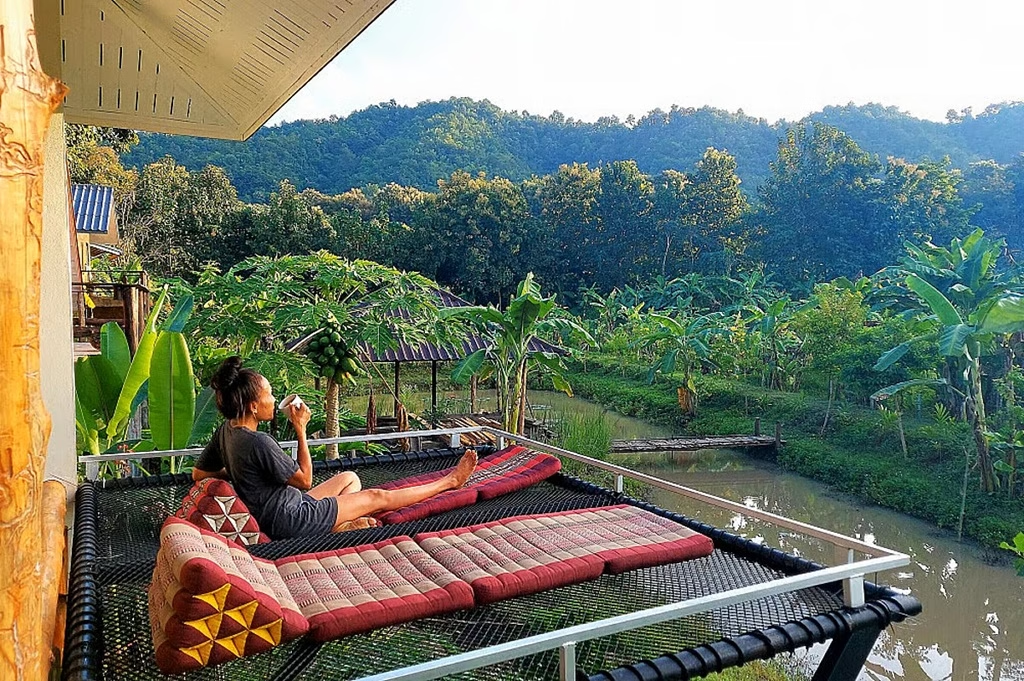
Pai has a way of making everything feel less urgent. That’s why Puripai Villa Wellness and Retreat makes sense here. The mood is scenic and intimate, with mountain views, organic surroundings, and enough privacy to help you settle into a slower rhythm.
 The draw here is not heavy programming. Instead, think mindful living, quiet mornings, fresh air, and a more personal nature-focused stay.
The villa’s own setting highlights hillside views and garden space, and current listings on Puripai Villa Wellness & Retreat and Retreat Guru’s 2026 schedule page support its position as a peaceful base for a scenic reset.
Pricing generally lands around $2,500 to $4,000, depending on room type and retreat format. So if you want a loud social retreat, keep looking. If you want Pai’s easygoing nature, more privacy, and a quiet place to breathe, this is the better lane.
How to match the right retreat to your travel style, budget, and wellness goals
A good retreat should fit your reason for going, not just your needs. Think of it like picking the right pair of shoes. A hiking boot, a sandal, and a dress shoe can all look great, but only one feels right for the trip ahead.
Start with four filters: your goal, your budget, your trip style, and your experience level. Once those line up, choosing between Chiang Mai, Chiang Rai, and Pai gets much easier.
Best picks for detox, meditation, yoga beginners, and luxury travelers
The fastest way to narrow your options is to match the retreat to the result you want most.
– Best for detox: The Pavana Chiang Mai Resort. Choose this if you want structure, clean eating, and a true reset, not a casual spa weekend.
- Best for meditation: Yonder Northern Thailand Wellness. It suits travelers who want mindfulness, monk-led insight, and a more guided inner focus.
- Best for yoga beginners: Flow Yoga Chiang Mai. This is the easy on-ramp if you want a simpler setting, a lower price, and less pressure.
- Best for cultural wellness: Root Whole Body Thailand Retreat. Pick this if you want healing tied to local life, Thai bodywork, and meaningful cultural moments.
- Best for luxury privacy: Pa Sak Tong Villa. It works best for couples, honeymooners, or small groups who want quiet, space, and private care.
If you’re new to retreats, a gentle yoga or balanced wellness stay usually beats an intense detox.
What to expect to spend in Northern Thailand in 2026
Prices make more sense when you group them by style.
Budget-friendly retreats often start around the lower end of the market and work well for solo travelers, first-timers, or people who mainly want yoga and meditation. Mid-range stays usually add better rooms, stronger food programs, and a fuller class schedule. Luxury retreats climb fast because you’re paying for privacy, premium settings, and one-on-one attention.
In most cases, the retreat rate covers accommodation, meals, and daily classes. Still, don’t forget the extra line items. Flights, visas, travel insurance, airport transfers, and add-on treatments can push the final cost higher. For a broader sense of travel spending in the region, this 2026 Chiang Mai cost guide gives helpful context.
The best time to book and what to pack for a smoother stay
For most readers, the sweet spot is the dry, cool season from November through February. The weather is more comfortable, outdoor practice feels better, and popular retreats fill early. Because of that, booking several months ahead is smart, especially for winter dates. Shoulder season, such as late October or early March, can bring better value with lighter crowds.
Keep packing simple and practical. A short list goes a long way:
- Light layers for cool mornings and evenings
- Modest clothes for temple visits
- A refillable water bottle
- Bug spray
- Sandals
- Any personal wellness items, such as supplements, a journal, or sleep aids
You don’t need to pack your whole life. You just need the basics that help you settle in fast.
Smart tips for booking a wellness retreat in Northern Thailand with confidence
A great retreat should feel clear before you arrive, not mysterious until after you pay. In Northern Thailand, the best bookings usually come down to simple homework, reading the program closely, spotting gaps, and asking direct questions before the deposit leaves your card.
 That matters even more when you’re booking from abroad. A retreat can look peaceful online and still be a poor fit in real life. So, treat the booking page like a menu and a contract at the same time. If key details are missing, ask.
Questions to ask before you pay a deposit
Before you commit, send one clear email and get answers in writing. This step saves stress later, especially if your trip includes special food needs, health concerns, or a tight flight schedule.
Start with the basics that affect your money and comfort most:
- Cancellation rules: Ask if the deposit is refundable, partly refundable, or only transferable to a new date. Also,o ask what happens if illness, flight delays, or family emergencies affect your trip.
- Medical support: If the retreat includes detox, fasting, intense heat, or long practice days, ask what health screening they do and what support is available on-site.
- Meal flexibility: Confirm whether they can handle allergies, vegan meals, gluten-free needs, or lighter food if the menu feels too strict.
- Activity intensity: Ask how many active hours fill each day, whether sessions are optional, and if beginners can scale back without feeling out of place.
- Instructor credentials: You don’t need a long resume, but you should know who is teaching and whether they hold relevant yoga, meditation, fitness, or therapy training.
- Airport transfers: Check if pickup is included, what times they run, and what happens if your flight lands late.
- Real downtime: Ask how many unscheduled hours you get daily. Some retreats look restful until you notice the calendar is full from dawn to dinner.
A planning resource like this Chiang Mai retreat guide can help you compare what serious operators usually explain upfront.
If a retreat avoids direct answers, that’s often the answer.
Small signthat s a retreat is a better fit for you.
The best retreat match often shows up in small details. You can feel it in the tone of the website, the way the schedule is laid out, and how honestly the retreat talks about results.
First, look for realistic promises. Strong retreats talk about rest, support, habit resets, and guided practice. They do not promise to fix your life in a week or cure health issues. Calm, clear language is usually a good sign.
Next, check the daily flow. A solid retreat shows a clear schedule, even if times shift slightly. You should be able to tell when you’ll wake, eat, practice, rest, and sleep. If the plan feels foggy, the stay may feel the same way. Broader advice in this Thailand retreat planning guide lines up with the idea that clarity builds trust.
Pricing tells a story, too. Better retreats are usually transparent about what’s included, from meals and classes to transfers and extra treatments. Hidden fees are like sand in your shoes, small at first, then annoying all day.
Finally, read recent reviews, not just glowing old ones. Look for patterns in the past year: comments on staff warmth, food quality, sleep, cleanliness, group size, and whether the pace matched the sales page. Also, notice whether the retreat suits your energy. If you want quiet and the photos show constant group bonding, dance nights, and packed excursions, listen to that mismatch.
Book the retreat that fits your real self, not your fantasy self. Read the full program slowly, look for review patterns instead of one-off praise, and confirm food support and health screening before you pay.
Also, check that any elephant visits, village stops, temple activities, or healing rituals are handled with respect and not staged for tourists. A trustworthy retreat won’t hide those details. It will explain them clearly, because that’s what confident booking should feel like.
Conclusion
Northern Thailand offers a different kind of reset, but the best choice still comes down to fit. Chiang Mai gives you the widest range, from detox and yoga to polished wellness stays. Meanwhile, Chiang Rai suits travelers who want more stillness, privacy, and deeper meditation. Pai, on the other hand, is ideal if you want a natural, softer structure and slow healing in the mountains.
So, before you book, come back to your real goal. If you want variety and flexibility, start with Chiang Mai. If you want calm and inward focus, look toward Chiang Rai. If you want space to breathe and unplug, Pai makes the most sense.
For 2026, demand for Northern Thailand wellness retreats remains strong, especially for all-inclusive, nature-based stays, so it’s smart to compare styles early and book ahead. Choose the retreat that supports both rest and lasting change, and you’ll come home with more than good photos; you’ll come home feeling better.


