
Last Updated on April 18, 2026 by Jeff Tomas
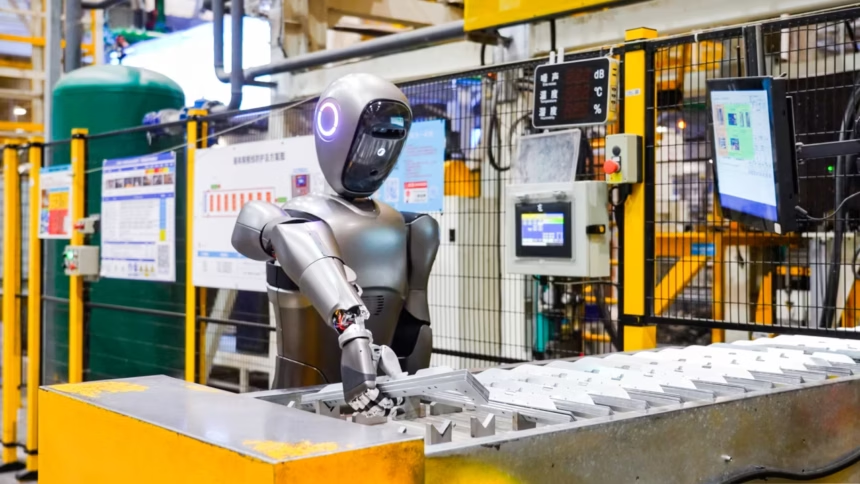
AI robots like this one from Boston Dynamics now handle real jobs in Hyundai plants, marking the 2026 shift from lab demos to daily operations. Labor shortages hit hard. Factories struggle to fill shifts, and costs climb as wages rise.
That’s why companies turn to these bots now. Advances in agentic AI let robots set their own goals and adapt on the fly. Edge computing processes data right on board, so they react fast without cloud delays. For example, Tesla’s Optimus learns tasks by watching videos, skipping weeks of coding.
You’ll see this across four key spots. In manufacturing, bots like Figure 03 sort parts and fold items with human-like hands, ramping production safely. Healthcare gets assists too; PeritasAI robots make precise surgical moves beside doctors. Logistics warehouses use Atlas for moving heavy loads around obstacles, cutting delays. Retailers test them for stocking shelves amid crowds, boosting speed without fatigue.
These robots promise big wins: faster output, fewer injuries in risky spots, and 24/7 runs that slash long-term costs. Yet challenges loom, like high upfront prices and training needs. In the sections ahead, we break down how they transform each industry, the real stats on adoption, and steps you can take to prepare.
Revolutionizing Factories: AI Robots Tackle Manufacturing Shortages
Factories lost over 425,000 workers last year alone. Wages rose, but skilled hands stayed scarce. Now, AI robots step in in 2026. They spot problems before they halt lines. Humanoids dash at 8.5 miles per hour. Costs beat human pay. Adoption surges: 41% of factories use AI vision for checks, while 13% run humanoids for tough tasks. IT blends with operations tech for lines that shift fast. Edge AI makes decisions on-site. These bots fill gaps and boost output.
Smarter Robots That Learn on the Job
Analytical AI scans data to predict breakdowns. It spots worn parts from vibrations or heat. Factories cut downtime by half this way. Generative AI goes further. It builds fake training videos from simulations. Bots practice rare fixes, like jammed gears, without real risks. Voice commands let workers say, “Fix that weld,” and bots adapt.
Edge AI processes everything locally. No cloud lag means quick moves. Old robots stuck to fixed paths. These new ones flex for new jobs. You train them in minutes, not days.

Benefits stack up. Lines switch products fast. Output rises 20% or more. Smaller plants afford it too, since software shares across bots.
Humanoids and Cobots Taking Over Assembly Lines
Humanoids like Tesla’s Optimus Gen 3 hit factories now. They sort batteries and haul parts at Fremont. BMW pilots Figure 2 bots for assembly. Gains reach 400% on complex tasks. Hyundai deploys Atlas for real shifts. Agile 1 ships from Germany for auto work.
Speeds top 8.5 mph. They dodge workers and grab odd shapes. Cobots team with humans on lines. Audi and BMW test them side by side.
Costs favor bots. Rentals run $16,000 to $80,000 yearly. Humans cost $35,000 to $50,000. China scales huge: over 500 firms test humanoids, as seen in its robot push.
These bots handle dirty, heavy lifts. Injuries drop. Lines run 24/7. Yet they start on easy jobs, then take over quality checks.
Saving Lives with Precision: AI Robots in Healthcare
Hospitals face tough staff shortages. Over 78,000 full-time registered nurse positions sit empty in the US right now. Robots step in to help. They boost patient safety and cut workloads for teams. In 2026, AI bots handle surgery, routines, and checks with spot-on accuracy. These tools reduce errors and let doctors focus on what matters most.
AI-Guided Surgery Robots Make Cuts Safer
Surgeons rely on bots like the da Vinci 5 for steady hands. Its motion AI senses tissue in real time. That means fewer slips during delicate work. NVIDIA powers the sensing for quick adjustments. Hugo from Medtronic targets urology cases. It offers multi-arm control at lower costs. Eye surgery bots zoom in on tiny areas, too. PeritasAI assists with precise moves next to doctors.
These systems cut complications. Patients recover faster because incisions stay small. Robots shake less than human hands, so outcomes improve. For example, the da Vinci 5 system packs 10,000 times more computing power than before. Surgeons get force feedback now. That guides them away from risks.

Adoption grows fast. Hospitals add these bots to fight shortages. Teams handle more cases without burnout.
Helper Bots Handling Hospital Routines
Unitree G1 humanoids patrol corridors now. They carry supplies at 8.5 mph and dodge obstacles. Moxi delivers meds in VA hospitals. It frees nurses for patient care. Pepper chats with elderly folks, easing loneliness.
Robot Nurse Bear offers comfort, too. It monitors vitals and alerts staff. These bots cut routine time by half. Nurses focus on direct help instead. Patient falls drop because bots watch rooms 24/7.
Shortages worsen without them. Yet bots team up with people, not replace them. Moxi’s fleet expands because it navigates messy halls well. Check Moxi 2.0 updates for real deployments.

Workloads lighten. Safety rises as bots handle repeats perfectly.
Drawing Blood and Predicting Risks Autonomously
Vitestro draws blood at clinics and homes. Its AI finds veins fast, no pokes missed. Alleta predicts heart failure, COPD, and diabetes flares. Bots scan data for early warnings.
Nurses skip painful sticks. Patients get results quicker. Predictions spot risks days ahead. That cuts hospital visits by 20%. AI crunches vitals and history for alerts.
These tools fill nurse gaps. Over 250,000 RN shortages are expected by 2030. Bots predict and act, saving lives. Staff get time back for complex care. Thailand shows promise, too, like in robotic surgery advances. US sites follow suit.
Clearing the Chaos: AI Robots Speed Up Logistics
Warehouses handle millions of packages daily, yet robot jams slow everything down. AI fixes that mess. These bots now coordinate like a well-oiled team, boosting speeds in massive operations. Companies see orders fly out faster because fleets avoid pileups. In 2026, agentic AI steps up for unpredictable spots, like cluttered aisles or shifting inventory.
No More Traffic Jams in Giant Warehouses
MIT engineers crafted a deep reinforcement learning system for robot traffic. It watches paths in real time and picks who goes first at crossings. Then a fast planner sends clear routes. Tests in Amazon-style setups delivered a 25% throughput jump over standard methods. Robots cut idle time and kept flowing smoothly.
This AI adapts quickly to changes. Add more bots or tweak layouts, and it re-trains quickly without downtime. Huge warehouses gain big from even small wins, as researcher Han Zheng notes. For example, MIT’s AI traffic system handles dozens of units zipping past tall shelves.

Locus Array adds full autonomy too. Robots shuttle goods between zones on their own. No humans needed for basics. That setup shines in busy fulfillment centers.
Teams of Robots Working Without Human Overseers
AI software now orchestrates AMR fleets without constant human input. It assigns tasks, balances loads, and predicts jams. FANUC demoed this at MODEX 2026, pairing CRX cobots with OTTO AMRs for pallet work. Those combos handle heavy lifts solo.
Locus Array takes it further with robots-to-goods flow. AMRs link picking bots for end-to-end runs. Humans stick to complex picks. Humanoids shift in next, grabbing odd items in messy areas. Agentic AI lets them plan moves on the fly.

Check FANUC’s MODEX showcase for live proofs. Fleets run 24/7 now, slashing delays.
Smart Stores Without Staff: AI Robots Reshape Retail
Retail deals with tight margins and shift gaps, too. AI robots fix that. They scan shelves, pick items, and even deliver orders around the clock. No breaks mean steady sales. Stores cut theft and waste because cameras watch everything. Customers grab and go faster. In 2026, these bots turn shops into efficient hubs. You walk in, scan your phone, and leave with goods. Operators save on wages while boosting uptime.
Inventory Checks and Shelf Monitoring on Autopilot
Small robots roll aisles now. They use computer vision to spot empty spots. Cameras and LiDAR read labels in seconds. Low stock triggers orders automatically. Real-time data feeds central systems for smart restocks.
Skild AI powers adaptability here. Their models handle messy shelves. GRID platform crunches scans into action plans. For example, bots flag expired items or misplaced goods right away. Stores cut overstock by 30%. Upstream efficiency grows because suppliers sync directly.

This setup runs 24/7. Humans check reports, not shelves. Losses drop as a result.
Unmanned Stores and Drone Deliveries Taking Off
VenHub leads with fully robotic shops. These run 24/7 without staff. AI handles picks, payments, and restocks. Their vision system auto-sets shelves and tweaks displays live. Pilots show quick setups in days. VenHub’s NRF demo proved real sales on site.
VisioLab offers grab-and-go, too. Cashier-less spots use ceiling cams for instant checkouts. Walmart ramps up drone deliveries alongside. Growth hits key cities, cutting last-mile costs.
Thailand tests similar unmanned smart stores in its digital push. Fleets scale fast because bots adapt to demand. Retail hits new speeds.
Weighing the Wins, Hurdles, and Road Ahead for AI Robots
AI robots bring real gains to factories, hospitals, warehouses, and stores. They cut risks and speed tasks. However, tough issues hold back full rollout. Let’s look at the upsides, roadblocks, and what’s next.
Top Ways These Robots Boost Business and Safety
These bots react fast. They spot issues before they grow, like worn parts on lines. Humans pair with them cheaply, so teams stay safe.
Smart decisions help most. Robots predict breakdowns from data scans. That slashes downtime. Cobots add safety sensors; they stop if workers are near. Versatility shines too. One bot switches from sorting to lifting.
For example, Tesla’s Optimus grabs parts in factories. It works 20 hours on a charge. Output jumps 20%. Injuries drop because bots handle heavy loads.
Costs make sense over time. Rentals beat wages at $16,000 yearly. Businesses save big.

In short, they boost speed and protect staff.
Real Barriers Slowing Down Full Takeover
The weather hits hard outside. Rain slips feet; mud clogs joints. Power limits stop long shifts. Batteries last 20 hours max now.
High costs sting upfront. Units run $50,000 plus training time. Regulations add checks for safety. Jobs shift too; privacy worries grow from constant scans.
Batteries drain fast in cold. Retraining takes days for new spots. Rules demand tests before retail crowds.
Yet firms push past. China deploys humanoids on lines already, as this Xinhua report shows.

Progress comes, but slowly.
Exciting Trends Pointing to 2027 and Beyond
Agentic AI lets bots plan full jobs alone. Edge computing speeds choices without clouds. Humanoids scale for homes.
By 2027, they will acquire rooms or aid the elderly. Generative design cuts build time. IT merges with operations for smart lines.
Tesla adds Grok for chat control. Swarms fill warehouses. Check this 2026 deployment guide for factory cases.

Optimism fits; realism guides rollout.
AI robots like Atlas at Hyundai factories and Figure bots at BMW plants now tackle real manufacturing tasks. In healthcare, da Vinci systems and Moxi helpers cut errors and free nurses for patient care. Logistics fleets from MIT and FANUC dodge jams, while retail scanners from Skild AI keep shelves stocked without staff.
These tools boost output, slash injuries, and run nonstop, so benefits beat hurdles like costs over time. Edge AI and agentic smarts make them adapt fast, just like the intro’s Atlas folding shirts on busy lines.
Businesses, train workers to team with bots now. Watch pilots like Tesla’s Optimus for next steps. A safer, faster world awaits.
Trending News:
AI That Pays Off: High-Performing Content Distribution Strategies for 2026
What Millions of AI Chats Can Teach You About Your Audience