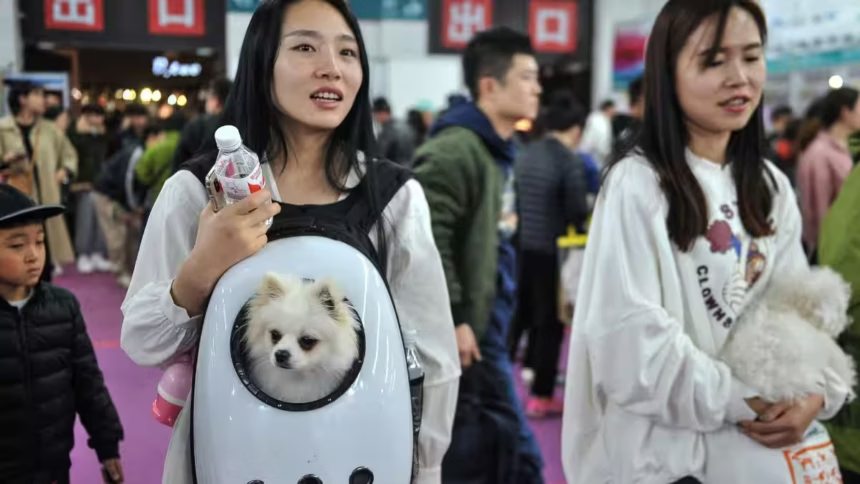
BEIJING – Step into any upscale shopping mall in Shanghai or Shenzhen, China, on a weekend, and you will notice a major shift in urban lifestyle. Instead of pushing baby strollers filled with infants, hundreds of young adults are pushing specialized carts carrying poodles, shiba inus, or British shorthair cats.
This visible change highlights a massive cultural shift across China. Millions of millennials and Gen Z residents are actively choosing to raise pets rather than start traditional families.
This demographic change is rapidly pushing the “pet-friendly” concept from a niche lifestyle choice into the mainstream of Chinese urban life. Young professionals are faced with high living costs and high-pressure career paths. As a result, they find that companion animals provide the perfect balance of emotional support without the intense financial burdens of raising children. This trend is completely reshaping the physical layout of China’s mega-cities.
Key Takeaways
- Demographic Shift: Millions of Chinese millennials are choosing to raise pets instead of having children due to high living costs and emotional needs.
- Economic Impact: The urban pet market in China reached 312.6 billion yuan (approximately $45.4 billion) by the start of 2026, driven by 126 million urban dogs and cats.
- Urban Infrastructure: Major cities like Shanghai, Hangzhou, and Shenzhen are rapidly building pet-friendly malls, public parks, and specialized transit systems.
According to recent data from the Thai Trade Centre in Shanghai, this trend reflects a permanent change in consumer behavior. The shift is most visible among younger consumers, smaller single-person households, and elderly residents who live alone.
All of these groups are turning to pets for genuine daily companionship. For many young urbanites, their dogs and cats are no longer viewed merely as domestic animals. Instead, they are referred to affectionately as “fur kids” and treated as true members of the family.
This deep emotional bond has created an absolute boom in the domestic marketplace. Industry data from the 2026 China Pet Industry White Paper reveals that the number of urban dogs and cats has reached a staggering 126 million. This massive animal population drove the domestic pet consumption market to 312.6 billion yuan (around $45.4 billion). Experts expect this market to expand well past 405 billion yuan within the next two years.

Transforming the Modern Cityscape
To accommodate this growing lifestyle, major Chinese cities are quickly redesigning their public infrastructure. Metropolises like Hangzhou, Shanghai, Shenzhen, and Nanjing are leading the charge. These municipal centers are actively developing public spaces, shopping centers, hotels, and tourist attractions specifically designed to welcome animals. Urban developers have quickly realized that allowing animals inside is the best way to keep retail spaces crowded.
In cities like Shenzhen, entire commercial districts have updated their rules to allow dogs inside shopping centers. These retail hubs now provide specialized amenities like pet elevators, outdoor hydration stations, and complimentary stroller rentals. Some shopping parks have even opened dedicated indoor play zones. These spaces allow owners to sip coffee while their companion animals socialize off-leash safely.
The rapid growth of the pet market has moved far beyond basic food and standard medical care. Chinese consumers are demanding highly premium, specialized services for their companion animals. This shift has created an entirely new ecosystem of lifestyle businesses. Entrepreneurs are finding great success opening pet bakeries, high-end photography studios, and luxury animal hotels.
Refined services like behavior training and custom health supplements are seeing massive sales growth on domestic e-commerce platforms. Young owners gladly spend thousands of yuan each month on specialized products like deep-sea fish oil or tailored joint supplements. Many owners admit they spend far more on their pets’ health and lifestyle comfort than they do on their own personal luxuries.

Policy Support Drives Industry Growth
Local government authorities are not staying on the sidelines of this economic trend. Many municipal governments are actively launching “pet-friendly city” policies to boost local economic growth. Officials view the expanding animal industry as a highly promising new sector for sustainable domestic consumption. By creating clear regulatory frameworks, local states hope to build safe environments that benefit both animal lovers and businesses.
More than a dozen Chinese provinces have officially designated the pet economy as a key growth point. Cities are building dedicated industrial clusters focused entirely on manufacturing smart pet devices, advanced veterinary medicine, and premium food. These government-backed hubs are designed to streamline production and attract major international investments to the region.
For a long time, transportation restrictions were the biggest obstacle for local animal owners who wanted to travel. However, innovative public transit policies are finally breaking down these logistical barriers. The national rail network recently expanded its specialized pet transport options. This change allows owners to safely ship their animals across major rail lines during peak holiday seasons.
At the same time, domestic airlines like China Southern Airlines are conducting pilot programs for animal-inclusive travel. Certain airports in Guangzhou and Shenzhen have even opened dedicated animal lounges and check-in counters. These new facilities allow travelers to bring small animals directly into the passenger cabin on select routes. This change transforms travel planning from a single-person budget into a multi-member family trip.

Developing Standardized Public Rules
As public spaces become more open to animals, managing the shared environment presents a new challenge. The China Commerce Association for General Merchandise recently rolled out official operational standards for commercial spaces. This document requires participating shopping centers to provide proper sanitation tools, clear safety signage, and regular cleaning services.
“True pet-friendliness requires a strong social consensus and proper public infrastructure,” notes Pan Shuhong, a legal expert based in Shanghai. “Clear rules ensure that interactions between animal owners and the general public remain completely harmonious.”
These new guidelines focus heavily on responsible ownership. Pet owners are expected to maintain effective control of their animals by using leashes, strollers, or muzzles in crowded indoor zones. These clear standards protect public hygiene while allowing businesses to remain open to animal companions.

A Bright Future for the Pet Economy
The cultural transition happening across China shows no signs of slowing down. As traditional household sizes continue to shrink, the emotional value of companion animals will only increase. What started as an alternative lifestyle choice for urban millennials has successfully transformed the economic and physical infrastructure of the nation’s greatest cities.
For international brands and local businesses alike, this market represents a massive commercial opportunity. The steady integration of animals into daily transport, retail, and tourism ensures that the domestic pet industry will remain a powerful economic driver for many years to come. China’s major cities are officially stepping into a brand-new, pet-inclusive era.
Trending China News:
Apple Price Cuts Spark Sales Boom in China While Huawei Faces Empty Stores
China’s Passport Crackdown: Now Leaving the Country is Harder Than Ever