
Last Updated on September 23, 2026 by Jeff Tomas
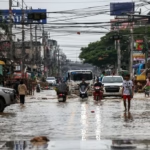
CHIANG RAI – Once a bustling trade hub, Tha Lo Market in Tachileik now sits entirely silent under heavy mud. This border commercial district sits directly opposite Mae Sai in Thailand. Before the disaster, you could not find a single vacant space in the area. Today, abandoned shophouses paint a grim picture of a community struggling to survive.
The devastating flooding in Tachileik left behind thick layers of sludge that ruined countless businesses. Merchants who once sold goods from dawn to dusk have completely vanished from the market. Storefronts remain caked in dried earth, serving as a sad reminder of the sudden destruction. No one knows if this vital economic zone will ever truly recover.
Key Takeaways
- Tha Lo Market was once the busiest commercial border district opposite Mae Sai.
- Heavy flooding covered the entire market in thick mud, forcing merchants to abandon their shops.
- The future of this vital cross-border trade zone remains completely uncertain.
A Silent Border Tha Lo Market Trade Zone
Cross-border trade between Thailand and Myanmar depends heavily on busy hubs like Tha Lo Market. In the past, trucks and carts moved goods endlessly across the nearby friendship bridge. Now, the transport of daily goods has ground to a painful halt. Local residents worry about the long-term impact on their everyday lives and incomes.
Cleaning up the massive amount of mud will require heavy machinery and serious funding. However, resources are incredibly scarce right now for the people of Tachileik. Many shop owners simply cannot afford to rebuild their damaged storefronts from scratch. As a result, the once-vibrant streets remain completely empty and deeply quiet.
Furthermore, the loss of this market hurts the economy on both sides of the border. Thai suppliers in Mae Sai have lost a major channel for their exported products. Meanwhile, Myanmar locals are struggling to buy basic necessities at affordable prices. The economic shockwaves from this muddy disaster will likely last for many months.
For decades, Tha Lo served as the beating heart of the local border economy. Tourists and wholesale buyers would crowd the narrow alleys to find cheap goods and electronics. Today, you will only see stray dogs wandering through the ruined, mud-caked alleyways. It is hard to believe this ghost town was recently a premier shopping destination.
Waiting for a Path to Recovery
Officials have not yet provided a clear timeline for the market’s complete restoration. Without government help, the local business owners feel left in the dark. They need fresh capital, equipment, and a solid plan to clear the hardened sludge. Until that happens, the gates to many shops will stay firmly locked shut.
Additionally, environmental experts warn that similar climate events could happen again without warning. The region needs better flood defenses to protect its essential economic zones. Rebuilding the market is only the first step in a much larger puzzle. The community must also figure out how to prevent future mudslides from destroying their hard work.
Ultimately, Tha Lo Market stands as a tragic symbol of nature’s destructive power. The lively chats of bargain hunters have been replaced by the silence of empty streets. The people of Tachileik hold onto hope, but they face a very steep climb. It will take a massive joint effort to bring this historic trading post back to life.
Trending News:
Mae Sai-Tachileik Day Trip Border Guide for Tourists
Flood Wall Collapses in Tachileik, Raging Waters Sweep Through Border Town