
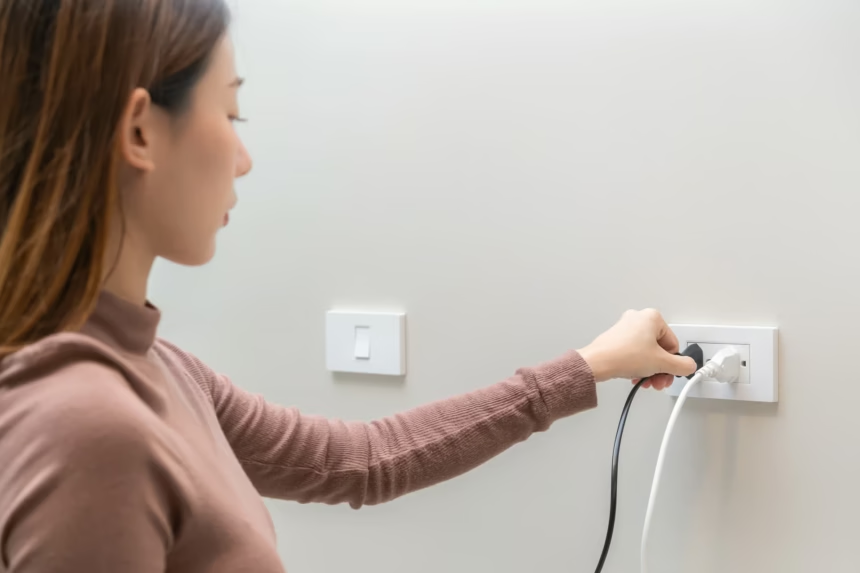
Thailand uses 220 V electricity at 50 Hz, and the adapter you need depends on the plug attached to your device. A plug adapter changes the shape of the connection, not the voltage, so check your device’s label before plugging it in.
Because Thai outlets can accept different plug styles, your home country alone won’t tell you whether a plug will fit. This Thailand power plugs and outlet guide offers more packing context, while the guidance below explains how to choose an adapter and check your devices safely.
Next, see which outlet types you’re likely to encounter in Thailand.
Key Takeaways
- Thailand’s electrical supply is 220 V at 50 Hz, and outlets may accept Types A, B, C, or O; compatibility varies by location.
- US plugs may fit some Thai hybrid outlets, but carry an adapter and don’t assume the connection is grounded.
- A plug adapter changes the connection shape, not voltage; check the device label for 220 V and 50 Hz or 100–240 V, 50/60 Hz.
- If a device supports only 110–120 V, use a suitable converter or leave it at home.
- For packing tips, see Thailand adapter advice and REI’s guide to travel power adapters.
Thailand Power Plugs and Voltage: What Outlets Will You Find?
Thailand’s nominal electricity supply is 220 V at 50 Hz, but outlets don’t all use the same plug design. Type O is the national standard, and its gradual adoption means older and mixed outlet styles remain common. No plug is guaranteed to fit every hotel or rental.
How Type A, B, C, and O plugs differ
The main plug types you may encounter have different pin shapes:
- Type A has two flat, parallel pins and no grounding pin.
- Type B has two flat pins plus a round grounding pin.
- Type C has two round pins and no grounding pin.
- Type O has three round pins arranged in a triangle, including a grounding pin.
Thailand’s national standard is Type O, but the transition to it is gradual. As a result, older sockets and hybrid outlets that accept more than one plug style remain in use. Some travel references also list Type F, so don’t count on finding any one particular socket design.
Thailand’s official electrical information for travelers confirms the 220 V, 50 Hz supply and offers guidance on checking device ratings. Since outlets vary by property, carrying a travel adapter that supports several plug types is a practical way to prepare.
What travelers from the US, UK, and Europe should expect
Some US Type A or Type B plugs may fit Thai hybrid outlets. However, the fit isn’t assured, and a Type A connection has no ground. A Type B plug also depends on a working ground connection in the outlet, which you shouldn’t assume is present.
UK travelers need an adapter for Type G plugs. European Type C plugs often fit, but an adapter can still help if a particular socket doesn’t accept them. In either case, a plug fitting the outlet doesn’t confirm that the device is safe for Thailand’s voltage or that the outlet provides a working earth connection.
Before plugging anything in, check the device label. A plug adapter changes the connection shape, not the voltage. If the label doesn’t include 220 V and 50 Hz, or a range such as 100–240 V and 50/60 Hz, check the device’s requirements before use.
Which plug adapter should you pack for Thailand?
Choose an adapter by looking at the plug on each device, not just the country you’re traveling from. Thailand has Type O outlets as its national standard, but A, B, and C styles are also found, and socket compatibility varies by property. An adapter is needed only when your plug shape doesn’t fit the outlet.
Choose an adapter that matches your device plug
Check whether your device has two flat pins, three flat pins, two round pins, or another arrangement. Then choose an adapter that accepts that exact plug and fits the sockets you expect to encounter. US Type A and B plugs may fit some Thai hybrid outlets, but don’t rely on that. UK Type G plugs need an adapter, while European Type C plugs often fit, though not every socket is the same.
If a device requires grounding, pack an adapter that supports a grounded connection and use it only with an outlet that has a working ground. A Type B plug’s grounding pin, for example, can’t provide protection if the outlet lacks a functioning earth connection. Don’t force a plug or adapter into a socket.
A universal adapter can be convenient when you’re carrying several plug styles. However, its multiple sockets don’t guarantee a grounded connection, and it doesn’t convert voltage. Before packing, check the adapter’s voltage and current ratings against your devices. Avoid loose-fitting, cracked, or poorly made adapters, and stop using one if it becomes unusually hot or shows damage. Thailand’s official guidance for electrical devices also advises travelers to check device ratings.
Do you need a voltage converter or just an adapter?
Read the small print on the charger or appliance, usually near the plug or on its power brick. If the label says INPUT: 100-240 V, 50/60 Hz, it supports Thailand’s 220 V, 50 Hz supply, so you’ll generally need only a plug adapter if the plug doesn’t fit. The frequency rating matters too, especially for devices that depend on the mains supply to run.
If the label lists only 110-120 V, don’t plug the device directly into a Thai 220 V outlet. Use a voltage converter rated for that device’s power requirements, or leave the device at home. Check both its wattage and frequency needs before choosing a converter. A plug adapter changes the connection shape only, so it can’t make a 110 V-only appliance safe to use on 220 V.
How to check phones, laptops, and hair tools before you plug them in
Check each device’s power label before you pack it. Thailand supplies 220 V at 50 Hz, and devices with different power needs can look nearly identical.
Phones, tablets, cameras, and laptops
Look at the charger or power brick, not just the phone or laptop. Find the line marked Input. If it lists 100-240 V, 50/60 Hz, it supports Thailand’s supply, so you need only a plug adapter if the plug doesn’t fit. Many modern chargers have this range, but check yours rather than assuming.
Make sure you read the input rating, not the output rating. The output describes the power sent to your device; it doesn’t tell you whether the charger can accept Thailand’s voltage. If you charge a laptop or camera with a separate power brick, check that brick too. For USB-C devices, inspect the adapter you’re bringing, even if the device itself supports several charging options.
If the label is missing or hard to read, look up the exact model in the manufacturer’s manual or contact the manufacturer. Don’t rely on a similar-looking charger. This charger input label guide explains what the voltage range means.
Hair dryers, curling irons, and other high-power devices
Hair tools need an individual check. A phone charger may accept 100-240 V, while a hair dryer or curling iron from the same brand may be rated only for 110-120 V. Check the tool’s label and manual for both voltage and wattage. If the label lists only 110-120 V, don’t plug it directly into a Thai outlet.
A small travel plug adapter changes the plug shape, but it doesn’t convert voltage. Voltage converters are a separate product, and their wattage capacity must meet the appliance’s requirements. High-power tools can exceed the rating of small travel converters, so check the converter’s specifications before use.
Some hair tools support dual voltage, but they may require you to switch the setting manually. Follow the manufacturer’s instructions, and confirm the tool is set for 220-240 V before connecting it. If the rating is unclear, leave it unplugged until you verify it with the manufacturer. The simplest option is often to use a tool rated for 220 V or ask your hotel whether it provides a hair dryer. For added caution, review this report on hair dryer electrical hazards in Thailand.
Stay safe when using Thai outlets and charging your gear
Most charging is straightforward when your device supports Thailand’s 220 V, 50 Hz supply and the plug fits securely. Still, check the outlet before use, especially when charging high-power equipment or using a bathroom appliance.
Know when grounding matters
Two-pin Type A and Type C plugs are ungrounded. Type B plugs have a grounding pin, but that pin protects you only when the outlet has a working earth connection. A socket that accepts a plug doesn’t prove its grounding is sound.
For grounded or high-power equipment, use a properly grounded outlet and an adapter designed to preserve the ground connection. Don’t assume a two-pin outlet or a basic travel adapter provides grounding. Older buildings may lack ground wiring, so take extra care with water heaters and outlets near sinks or showers. Keep devices and chargers away from wet areas, and never handle plugs with wet hands.
Thailand’s Metropolitan Electricity Authority advises checking electrical equipment and wiring, and notes that older homes may lack grounding. For more on moisture-related precautions, see these Thailand rainy-season electrical safety checks.
Check outlets, cords, and adapters before use
Before plugging in, look for cracks, burn marks, moisture, or signs of overheating. Don’t use a socket that sparks, feels hot, or holds the plug loosely. Damaged cords and adapters also belong out of service.
If a plug feels loose, don’t wedge it in place or keep charging. Try a different outlet if one is available, then tell hotel staff or your host. For a persistent problem, ask a qualified electrician to inspect it. Never force a plug or use an adapter to make a mismatched connection fit.
Power strips can help when outlets are limited, but check their condition and rating. Avoid connecting one splitter to another or plugging several high-power devices into a single strip. Unplug chargers and appliances after use where practical, particularly near water or when leaving the room.
Frequently Asked Questions
A plug that fits isn’t always safe to use, so check the device rating and the outlet before charging. These answers cover a few practical details that can come up after you arrive.
Can I charge my US phone in Thailand without a converter?
Check the phone charger’s input label. If its voltage range includes 220 V and its frequency rating includes 50 Hz, it can use Thailand’s supply; you may need only a plug adapter if the plug doesn’t fit the socket. The phone’s rating alone isn’t enough, check the charger.
Are Thai outlets the same in every hotel?
No. Type O adoption is gradual, and older or hybrid outlets remain in use, so sockets can differ between hotels and even rooms. Thailand’s plug-type overview summarizes the styles travelers may encounter. If you need a particular plug style or a grounded outlet, ask the accommodation before booking.
Can I use a US power strip in Thailand?
Only if its rating supports Thailand’s 220 V, 50 Hz supply. A plug adapter won’t change the voltage, so don’t use a strip rated only for 110-120 V, and avoid overloading it with several high-power devices. For remote-work packing ideas, see these power strip tips for Thailand.
Will a Type C plug fit in a Thai outlet?
Type C plugs are commonly accepted, but not every Thai outlet is the same. Check the device’s voltage and frequency rating before connecting it, and use a suitable adapter if the plug doesn’t fit securely. Don’t force a loose or mismatched connection.
Do I need a grounded adapter for a three-prong device?
Yes, connect a grounded device through an adapter designed to preserve grounding, and use it with a properly grounded outlet. A third pin or an adapter that fits the socket doesn’t prove the outlet has a working earth connection. If you can’t confirm the ground, don’t treat the device as grounded.