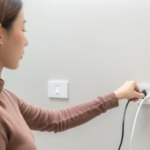

That handheld spray beside the toilet may catch you by surprise, but the “bum gun” is simple to use once you know how. Thai bathrooms vary, so you may also encounter a waste bin, a squat toilet, or a manual-flush setup.
A gentle pressure test helps prevent splashes, and posted signs show how to dispose of toilet paper. With a few practical tips, you can handle the sprayer and adjust to different bathroom setups with confidence.
Here’s what to expect when you step into a Thai bathroom.
Key Takeaways
- The Thai “bum gun” is a handheld bidet sprayer beside the toilet. Point it into the bowl and test the pressure gently before use.
- Aim low, rinse carefully, and keep water off the seat and floor. Pat dry with tissue, then wash your hands with soap.
- Check signs before disposing of toilet paper. If the facility provides a bin and gives no instructions to flush paper, use the bin.
- Bathrooms vary: you may find a squat toilet, a bucket flush, or no tissue in the stall. Carry a small pack for backup.
- For more on Thailand’s bum gun bathroom custom, see how travelers adapt to the sprayer and local toilet-paper habits.
The Bum Gun Explained: What It Is and How Thai Bathrooms Use It
In Thailand, a “bum gun” is the informal name for a handheld bidet sprayer, usually attached to a hose beside a sit-down toilet. It rinses with a directed stream of water, though pressure and bathroom layouts vary by property. The sprayer is common, but not universal. Some facilities have a squat toilet, a small waste bin, or a bucket and dipper instead.
How the handheld sprayer works
The hose connects to a water supply, and a trigger on the handle releases the spray. Squeeze gently to control the flow, then let go to stop it. Because pressure varies between fixtures, test the water into the toilet bowl before aiming it at yourself. A short visual guide to using a Thai bum gun shows the basic setup.
Keep the stream low and direct runoff into the bowl to limit splashing. Once you know how strongly the water sprays, you can adjust your grip and aim. Avoid spraying the seat, floor, or nearby surfaces.
What to expect beside the toilet
A small bin beside the toilet may be provided for used tissue, and a toilet-paper dispenser may be missing from the stall. Check posted signs before flushing paper. If a bin is available and there are no instructions saying paper can be flushed, use the bin. Carrying a small pack of tissue is useful when a dispenser isn’t available.
Other features depend on the property and facility. A modern hotel bathroom may have a sit-down toilet and sprayer, while a market or older public restroom may have a squat toilet. Some toilets use a bucket and dipper for flushing instead of a lever. Follow signs and look at how the fixture is arranged before using it, since there isn’t one standard setup across Thailand.
How to Use a Bum Gun Cleanly and With Confidence
The easiest way to use a bum gun in Thailand is to keep the spray low, start with light pressure, and take your time. A quick test helps you avoid surprises, while careful aiming keeps the seat and floor dry for the next person.
Test the water pressure before you begin
Before using the sprayer, point the nozzle down into the toilet bowl and squeeze the trigger gently. Water pressure varies between fixtures, so begin with a light touch and increase it only if needed. Keep the stream aimed into the bowl as you test it.
Once you know how the trigger responds, position yourself and direct the spray low. Avoid aiming toward the seat, floor, stall walls, or anyone nearby. A strong stream can splash, especially if the nozzle points upward or the trigger opens too quickly. If the pressure feels high, ease off the trigger rather than trying to control a forceful spray.
Rinse, dry, and wash your hands
Use the sprayer gently and adjust your aim as needed. Keep runoff directed into the bowl, and stop the flow before you set the handle down. If water lands on the seat or floor, wipe it up with tissue when available so the stall is comfortable for the next person.
After rinsing, pat dry with a small amount of toilet tissue if you prefer. Check the signs or nearby bin before throwing it away, since disposal instructions can vary by facility. Then wash your hands with soap and water. If soap isn’t available, the CDC recommends using hand sanitizer with at least 60% alcohol. For context on local water use, see these Chiang Rai tap water safety tips.
You don’t need to rush through the process. A gentle rinse, careful drying, and a final check of the stall are enough to leave the area tidy.
Should You Flush Toilet Paper in Thailand?
Follow the bathroom’s instructions. Toilet-paper disposal can vary between facilities, so don’t assume every toilet in Thailand has the same plumbing or rules. A sign takes priority; when there’s no clear instruction, use the bin if one is provided.
Use signs and the bathroom setup as your guide
A waste bin beside the toilet is a useful cue that paper belongs there, but posted instructions matter more. If a sign says toilet paper can be flushed, follow it. If there’s no sign and a bin is available, put used paper in the bin rather than flushing it.
Facilities differ. Some older buildings or bathrooms may have plumbing or septic systems that don’t handle paper well, while some newer properties allow it. Neither practice applies everywhere, so avoid relying on assumptions based on the type of building alone. A Thailand toilet-paper guide also describes why travelers should check the setup instead of treating one rule as universal.
When the instructions aren’t clear, ask hotel staff or a nearby attendant. That’s especially helpful if the bathroom has no sign or the bin’s purpose isn’t obvious. Follow the disposal arrangement provided, and close the lid if the bin has one.
Keep wipes and other products out of the toilet
Don’t flush wet wipes, sanitary products, or other objects, even if a package calls a wipe flushable. Use the bin or another disposal method shown in the bathroom. Non-dispersible items can clog plumbing or damage septic systems, a concern also noted in Taiwan’s environmental guidance on toilet disposal.
If the bathroom provides no bin, look for posted directions or ask staff rather than flushing items that don’t break down like toilet paper. Keep the rule simple: follow the sign for paper, use the bin when one is provided and signage doesn’t permit flushing, and keep wipes and sanitary products out of the toilet.
What to Expect From Squat Toilets and Public Bathrooms
A Thai bathroom may have a squat pan instead of a familiar sit-down toilet, especially in some older or simpler public facilities. Take a moment to check the layout before you use it. The fixture, water container, and posted directions can all differ between locations.
Using a squat toilet without rushing
A squat toilet usually has a pan set into the floor and two raised footpads on either side. In a common arrangement, face the stall door, place one foot on each pad, and squat over the opening. Take your time getting into position, and keep your belongings somewhere dry and within reach.
Some stalls have a bucket and scoop for flushing, while others have a different setup. Check for signs and look at the fixture before using anything. A bucket might be intended for flushing, but don’t assume every container has the same purpose. If the instructions aren’t clear, ask an attendant when possible. A guide to using squat toilets in Thailand can help you recognize the basic arrangement before you encounter one.
Pack a little backup for public facilities
Public restrooms don’t always have toilet paper in the stall, and soap may be missing at some locations. Carry a small pack of tissue and hand sanitizer in your day bag, so you aren’t caught without either. You can also pack tissues and toiletries for Thailand alongside other everyday travel essentials.
After using the facility, follow any posted disposal directions and use the bin if one is provided and signs don’t say paper can be flushed. Before you leave, check the seat and floor. Wipe up any water or mess you made when supplies are available, and leave the stall reasonably clean for the next person. A quick look at the setup, plus a little backup, makes unfamiliar public bathrooms easier to manage.
Frequently Asked Questions
These quick answers cover a few situations that can come up after you get comfortable with the bathroom setup. When in doubt, follow the facility’s signs and use the equipment as intended.
Does rinsing with a bum gun replace washing my hands?
No. The sprayer rinses your body, but you should still wash your hands with soap and water after using the toilet. If soap and water aren’t available, the CDC recommends hand sanitizer with at least 60% alcohol.
Is the water from a bum gun safe to drink?
No. Use the sprayer only for external rinsing, and don’t drink water from a bathroom fixture. Drinking-water safety can vary by location, so check practical Thailand tap water safety advice for travelers separately.
Should the nozzle touch my skin?
Keep the nozzle a short distance away and avoid letting it touch your body or the toilet. That helps keep the fixture clean and gives you room to direct the stream into the bowl. If the nozzle looks dirty or damaged, skip it and use toilet paper or another clean option.
Do I need soap when using the sprayer?
Usually, water is enough for a rinse. Avoid putting hand soap or other products on sensitive skin, since they may cause irritation. Afterward, pat dry with tissue if you prefer, and follow the bathroom’s disposal instructions.
Can I use a bum gun during my period?
Yes. You can use a gentle rinse to clean the outside of your body, then dry with tissue as needed. Don’t direct water inside the vagina, and dispose of menstrual products in the bin rather than flushing them.
What if the sprayer seems dirty or doesn’t work?
Don’t use a fixture that appears visibly unclean, leaks, or has a damaged hose. Use toilet paper if it’s available, or ask staff for another restroom. At a hotel, reception can usually tell you where to find a working bathroom.