





BANGKOK – Thailand has long captured the imagination of travellers and long-term residents alike. Ancient temples, buzzing street markets, and postcard-perfect beaches all sit side by side with modern comforts and strong infrastructure. For people looking for a fresh start, a base for remote work or business, or a relaxed retirement, Thailand offers a rare mix of low costs, comfort, and rich culture.
- Thailand’s Top Choices: City-by-City Overview
- 1. Bangkok: Thailand’s Powerhouse Capital
- 2. Chiang Mai: Creative Hub and Digital Nomad Favourite
- 3. Phuket: Island Lifestyle with City-Level Convenience
- 4. Hua Hin: Relaxed Coastal Town with City Comforts
- Chiang Rai: The North’s Rising Star, Cooler Air and Lower Costs
- Outstanding Value for Money
- Cooler Climate and Natural Surroundings
- Authentic Culture and Strong Sense of Safety
- The Expat’s Visa Guide: Legal Ways to Stay in Thailand
Choosing where to live, however, matters a great deal. Some are drawn to the high-rise skyline and energy of Bangkok. Others prefer the creative calm of Chiang Mai, the island charm of Phuket, or the refined seaside feel of Hua Hin. Then there is the quieter north, where Chiang Rai sits among misty hills, with cooler air and a cost of living that still stays surprisingly low.
As a long-standing voice in Northern Thailand, the Chiang Rai Times explores the country’s most popular areas for expats, nomads, and retirees. This overview looks at the pros, cons, and key visa options for those who want to make the “Land of Smiles” their long-term home.
Thailand’s Top Choices: City-by-City Overview
The best place to live in Thailand depends on lifestyle, budget, and what someone expects from day-to-day life. Each major hub offers something different, from fast-paced city life to slow, small-city comfort.

1. Bangkok: Thailand’s Powerhouse Capital
For ambitious professionals and people who thrive in a big city, Bangkok stands in a class of its own. As the country’s economic and political centre, it is the main gateway for global business, high-level careers, and international connections.
- The vibe: Bangkok never really sleeps. Glass towers and high-end shopping centres sit next to golden temples, narrow sois, and food stalls serving everything from street snacks to gourmet meals. The BTS Skytrain and MRT subway make it easier to cross the city, although traffic jams are still part of daily life.
- The draw: Strong career prospects, a wide choice of international restaurants and nightlife, and a huge range of international schools and top private hospitals. Many global companies set up offices here, so networking opportunities are excellent.
- The cost: Bangkok is the priciest city on this list. A comfortable expat lifestyle usually runs between ฿50,000 and ฿80,000 (about $1,350 to $2,160 USD) per month. Flats in prime areas like Sukhumvit, Silom, or Sathorn can cost much more, especially close to BTS and MRT stations.

2. Chiang Mai: Creative Hub and Digital Nomad Favourite
Known as the “Rose of the North”, Chiang Mai has become one of the world’s most popular bases for digital nomads, creatives, and those who prefer a slower pace without giving up city comforts.
- The vibe: Chiang Mai is wrapped in history, with remnants of old city walls and moats, plus hundreds of temples scattered across town and in the surrounding hills. The city centre is compact and walkable, and the expat community is large and welcoming. The Nimmanhaemin area is known for co-working spaces, stylish cafés, and modern apartments, making it a natural base for remote workers.
- The draw: Everyday costs remain low, and the city often appears on lists of the most affordable places for expats. Monthly living costs for a comfortable lifestyle usually fall between ฿30,000 and ฿50,000 ($810 to $1,350 USD). International schools, decent hospitals, and good dental care make it a practical choice for families and retirees as well.
- The caution: From around February to April, Chiang Mai and the wider region face the “Burning Season”, when farmers burn crop waste. This can cause serious air pollution and poor visibility. Many long-term residents choose to travel to the south or abroad during these months.

3. Phuket: Island Lifestyle with City-Level Convenience
For people who dream of living near tropical beaches without giving up modern services, Phuket offers a strong mix. Thailand’s largest island gives easy access to the sea, plus a good level of infrastructure.
- The vibe: Phuket is varied. Areas like Patong are busy, full of nightlife and tourists, while places such as Bang Tao or Laguna feel more residential and upmarket. The island has its own international airport, big shopping centres, and plenty of cafés and restaurants that cater to both locals and foreigners.
- The draw: Beautiful beaches, clear water, and some of the country’s best diving and sailing. Many residents enjoy resort-style living, with villas, pools, and private estates. International schools and hospitals are very good, often compared with those in Bangkok.
- The cost: Phuket is a premium destination, and prices reflect that. For similar accommodation and lifestyle, costs are close to, or sometimes above, Bangkok rates, especially in popular beachside areas.

4. Hua Hin: Relaxed Coastal Town with City Comforts
Just a few hours’ drive south of Bangkok, Hua Hin blends calm seaside living with the convenience of a small city. It has long been popular with retirees, Bangkok weekenders, and families looking for a quieter coastal home.
- The vibe: Originally developed as a royal retreat, Hua Hin still has a refined feel. The town offers long beaches, tidy streets, and a peaceful pace. Golf is a major attraction, with several international-standard courses nearby. The expat community is well established, with many people choosing a quiet, routine-focused life.
- The draw: Its location near Bangkok is a major advantage, especially for those who want access to the capital without living there. Hua Hin sees less rain than many other coastal areas, and it remains more low-key than party-focused beach resorts. Good hospitals and a low reported crime rate make it especially appealing for retirees.
- The cost: Prices sit between the northern cities and Bangkok or Phuket. A comfortable lifestyle usually costs around ฿35,000 to ฿60,000 ($945 to $1,620 USD) per month, depending on housing preferences and how often someone eats out or plays golf.

Chiang Rai: The North’s Rising Star, Cooler Air and Lower Costs
While Chiang Mai often gets the attention, Chiang Rai, its quieter neighbour further north, is steadily turning into a standout choice for long-term residents. Those who want real Thai life, low living costs, and a peaceful setting are starting to look here first. The Chiang Rai Times has followed this growth closely, watching the city mature at its own pace.
Outstanding Value for Money
The main attraction of Chiang Rai is its value. Everyday expenses often come in 30% to 50% lower than in Bangkok, which means pensions and remote incomes go much further.
- Rentals: A modern, furnished one-bedroom condo in or near the centre, often with a pool and gym, can cost as little as ฿8,000 to ฿15,000 ($215 to $405 USD) per month. In many other expat hubs, that level of facility would be far more expensive.
- Local life: Northern Thai food is both famous and affordable, from simple noodle shops to traditional markets and cafés. Public transport and basic services are inexpensive. Many single expats find that a comfortable lifestyle, including a nice flat, food, utilities, transport, and leisure, comes in at around ฿20,000 to ฿45,000 ($540 to $1,215 USD) per month.
Cooler Climate and Natural Surroundings
Chiang Rai sits near the borders with Myanmar and Laos, with higher elevations that bring cooler air than many parts of Thailand.
- Cool season comfort: From November to February, the Cool Season brings fresh, pleasant weather. Night-time temperatures can drop to around 11.7°C (53°F), creating a crisp feel that many compare to European autumn. For those who struggle with Bangkok’s year-round heat, this offers real relief.
- Nature on the doorstep: The province is full of mountains, forests, tea and coffee plantations, and quiet riverside spots. The broader Mekong basin and areas like the Golden Triangle provide many options for day trips and weekend escapes. Cycling, trail running, hiking, and visits to hill tribe villages are all within easy reach of the city.
Authentic Culture and Strong Sense of Safety
Chiang Rai still feels deeply local, with a clear Lanna identity that shines through in food, festivals, and daily life. The pace is unhurried, yet the city has all the basics needed for a comfortable long stay.
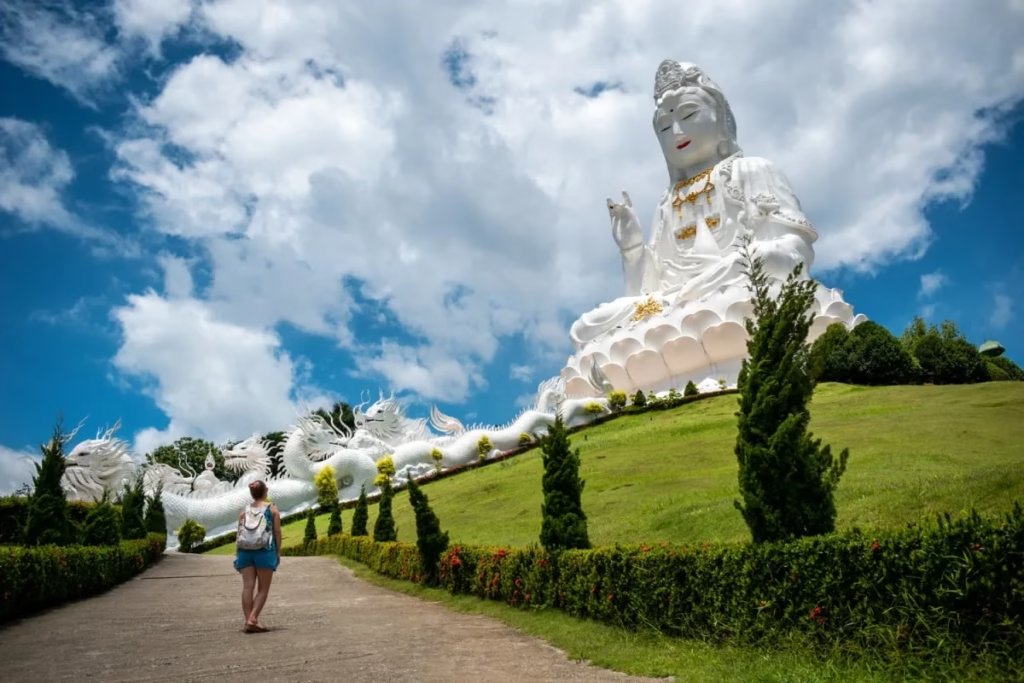
Residents enjoy a balance between urban and rural living. Supermarkets, cafés, hospitals, and schools are available, but rice fields and quiet villages are only a short drive away. Key sights such as the White Temple (Wat Rong Khun), the Blue Temple, and the Night Bazaar show how traditional and modern culture sit side by side.
Chiang Rai has also received attention for its safety record. For solo travellers, remote workers, and retirees, this brings added peace of mind.

The Expat’s Visa Guide: Legal Ways to Stay in Thailand
For anyone planning to live in Thailand long-term, the right visa is essential. Rules have changed in recent years, and there are now several clear legal routes for expats, digital nomads, and retirees to stay for extended periods.
For Digital Nomads and Remote Workers: Destination Thailand Visa (DTV)
The Destination Thailand Visa (DTV) is a recent option for freelancers, remote staff, and others who want to work for overseas employers while living in Thailand. It offers a legal path that avoids repeated tourist visa runs.
- Validity: The DTV is a multiple-entry visa that lasts for five years.
- Stay period: Each entry allows a stay of up to 180 days, which can be extended. With careful planning, this structure can allow up to a full year in Thailand without leaving.
- Main requirement: Applicants must usually show proof of sufficient funds, often a bank balance of at least ฿500,000 (around $13,500 USD). Income must come from outside Thailand, and DTV holders are not required to obtain a Thai work permit if they do not work for a Thai company.
For Business Owners and Professionals: Long-Term Resident (LTR) Visa
The Long-Term Resident (LTR) Visa targets investors, wealthy retirees, specialists, and high-earning professionals, including those in the “Work-from-Thailand Professional” group who earn over $80,000 USD a year.
- Validity: The visa covers up to 10 years, with multiple re-entries allowed.
- Benefits: Depending on the category, holders may receive a reduced personal income tax rate, only need to report their address once a year instead of every 90 days, and can use fast-track lanes at international airports. These perks are designed to make long stays smoother for those who meet the criteria.
- Business opportunity: The LTR, along with the standard Non-Immigrant “B” (Business) visa, gives a framework for foreign nationals to legally work, hold certain roles, or set up companies in Thailand, subject to Thai law and regulations.
For Retirees: Non-Immigrant “O-A” (Long Stay) Visa
For those over 50 who want to retire without working, Thailand’s long-standing Retirement Visa route remains popular. This is usually the Non-Immigrant “O-A” (Long Stay) Visa.
- Requirements: Applicants must be at least 50 years old and meet financial rules, often by showing:
- A security deposit of ฿800,000 (about $21,600 USD) in a Thai bank account, held for at least two months before application, OR
- A monthly income of at least ฿65,000 (around $1,750 USD).
- Renewal: The visa is typically renewed each year inside Thailand. For many foreign pensioners, this brings stability and a clear routine.
For those who prefer a simple but premium option, the Thailand Privilege Visa (formerly known as the Elite Visa) offers residency from 5 to 20 years in return for a one-time membership fee. It is costly, but it removes much of the normal visa paperwork and offers extra services like airport assistance and concierge support.
The Chiang Rai Times View
Thailand offers a rare mix of quality of life, culture, and affordability. From Bangkok’s skyscrapers and rooftop bars to Phuket’s beaches and boats, each region has its own character and appeal.
For expats and digital nomads who value authentic local life, cooler weather, and strong value for money, the future of long-term living points to the North. Chiang Mai remains the established hub for remote workers, with ready-made networks and co-working spaces, but comes with slightly higher prices and the yearly air quality problem.
Chiang Rai, by contrast, is greener, calmer, and often feels more rooted in traditional culture. Its very low cost of living, improving infrastructure, and relaxed community atmosphere are turning it into Thailand’s best-kept secret, although word is spreading fast. Anyone thinking about a move should consider visiting this mountain-framed province and spending at least a few weeks here.
Many find that their money stretches further, their work routines feel easier, and their days slow down in a good way beneath the cool Lanna sky.
The Chiang Rai Times encourages all potential residents to check with the Royal Thai Embassy or a qualified immigration lawyer for the latest visa rules before making any relocation plans.


