


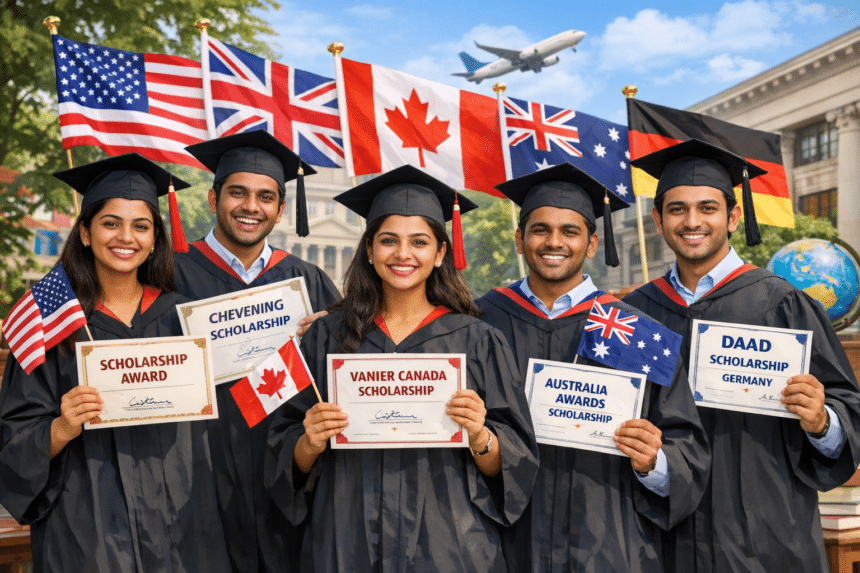
For many Indian students, studying abroad is no longer just a dream; it is a practical pathway to global careers, a better education system, and long-term personal growth.
Over the last decade, the number of Indian students choosing international education has increased steadily. According to India’s Ministry of External Affairs, more than 1.3 million Indian students were studying overseas in 2024, reflecting a growing demand for global qualifications.
While better infrastructure and international exposure are often mentioned, the real advantages of studying abroad for Indian students go much deeper. From career readiness to personal development, studying abroad creates opportunities that are difficult to replicate in a traditional classroom setting. Below are the most meaningful practical benefits Indian students gain from studying abroad.
Key Takeaways
- Studying abroad gives Indian students access to globally recognised universities and modern learning environments.
- International degrees often lead to better career opportunities and higher employability.
- With proper planning and expert guidance, one can enhance long-term career growth.
- Scholarship and financial aid make international education more accessible to Indian students.
- Practical learning through internship, co-op programs, and research projects strengthens job readiness.
- Many countries offer post-study work visas, allowing students to gain global work experience.
Access to Globally Recognised Education
One of the biggest reasons students choose to study abroad is the opportunity to learn at universities that are ranked among the best in the world. Countries like the USA, UK, Canada, Australia, and Germany consistently feature in global university rankings such as QS and Times Higher Education. These institution offers:
- Research-focused teaching methods
- Updated and industry-relevant curricula
- Flexible course structures with electives
- Access to modern laboratories and technology
Such academic environments encourage critical thinking, innovation, and practical learning rather than rote memorisation.
Better Career Opportunities and Employability
International education is strongly linked to improved employability. Many countries offer post-study work visas that allow graduates to gain international work experience. For example:
- Canada offers up to 3 years of Post-Graduation Work Permit (PGWP).
- The UK provides a 2-year Graduate Route visa (3 years for PhD graduates)
- Australia offers post-study work rights of up to 4-6 years, depending on the degree.
Employers value candidates who have international exposure because they:
- Communicate effectively across cultures
- Adapt easily to diverse work environments
- Demonstrate independence and problem-solving skills
These qualities give Indian students a competitive edge in both global and Indian job markets.
Practical and Industry Focused Learning
Many international universities integrate practical training into their academic programs. This includes:
- Internships
- Co-op programs
- Research project
- Industry collaborations
For instance, Canadian co-op programs allow students to work in paid industry roles during their studies. Similarly, industries give students hands- on experience before graduation. This practical exposure helps students:
- Build professional networks
- Improve their resumes before entering the job market
- Gain real-world skills
Development of Global Skills
Studying abroad helps students build skills that are essential in today’s global workforce. These include:
- Communication Skills: Students interact with classmates and professors from different cultural and linguistic backgrounds. This improves confidence and professional communication.
- Problem-Solving Ability: Living independently in a new country requires students to manage finances, housing, travel, and academics on their own.
- Cultural Intelligence: Exposure to different cultures helps students understand global perspectives, which is highly valued in multinational companies.
According to several employer surveys, soft skills like adaptability, teamwork, and communication are among the most sought-after qualities in graduates.
Exposure to Diverse Culture and Perspectives
When students study abroad, they experience new traditions, languages, cuisines, and lifestyles. This cultural exposure:
- Encourage tolerance and inclusivity
- Broadens their worldview
- Improve social and networking skills
Students also form international friendships and professional connections, which can benefit them throughout their careers.
Opportunities for Permanent Residency
In some countries, studying abroad can become a pathway to long-term settlement. Nations such as Canada, Australia, and New Zealand have immigration policies that favour international graduates.
Graduates who gain local work experience often receive additional points in immigration systems, increasing their chances of obtaining permanent residency. This makes studying abroad for Indian students not only an educational decision but also a strategic career move.
Personal Growth and Independence
Living in a foreign country pushes students out of their comfort zone. They lean to:
- Manage their time and finances
- Cook, travel, and handle daily responsibilities
- Make decisions independently
This independence builds confidence and maturity, which are valuable both probably and professionally. Many students report that studying abroad changes their outlook on life, making them more self-reliant and open-minded.
Access to Scholarship and Financial Support
Although studying abroad can be expensive, many countries and universities offer scholarships specifically for international students. Popular options include:
- Chevening Scholarship (UK)
- Commonwealth Scholarship
- A Canadian university-specific scholarship
- Australia Awards
- DAAD Scholarship in Germany
These scholarships can cover tuition fees, living expenses, or both, making international education more accessible to Indian students.
Improved English and Language Skills
Studying in an English-speaking country naturally improved language proficiency. Even in non-English-speaking countries, many programs are taught in English, and students interact in international environments. Better language skills:
- Increase job prospect
- Improve academic performance
- Enhance confidence in a professional setting
Strong Return on Investment (ROI)
While the initial costs of studying abroad may seem high, the long-term financial benefits can be significant. Graduates with international degrees often:
- Earn higher starting salaries
- Qualify for specialised roles
- Access global job markets
Over time, the investment in international education often pays off through better career growth and earning potential.
The benefits of studying abroad for Indian students extend far beyond academics. From global career opportunities and practical learning to personal growth and cultural exposure, studying abroad shapes students into well-rounded professionals.
As international education becomes more competitive and complex, proper planning and guidance are essential. This is where expert support from Leverage Edu study abroad consultants can help students choose the right country, course, and university while improving their chances of admission and scholarships.
FAQs
What are the main advantages of studying abroad for Indian students?
Indian students gain global exposure, better career opportunities, practical learning experience, and internationally recognised degrees.
Is studying abroad worth the cost?
Yes, in many cases. International graduates often earn higher salaries and have access to global job markets, making the investment worthwhile over time.
Which countries are best for Indian students to study abroad?
Popular choices include the USA, UK, Canada, Australia, and Germany due to quality education and post-study work opportunities.
Trending News:
Department of Public Works Begins Flood Solution Study for Mae Sai