




PATTAYA – Police in the seaside city of Pattaya have arrested two Chinese men suspected of links to a cross-border call centre scam network tied to the death of a South Korean student.
Officers from the Technology Crime Suppression Division joined consular police from the South Korean Embassy, along with Immigration Bureau investigators, to raid a house in Pattaya, Chon Buri. Two suspects were taken into custody.
The first man, identified as Ham (also known as Xian), was wanted under an Interpol red notice and by a South Korean court. He faces allegations including luring people overseas, aggravated coercion, and intimidation.
Police checked his passport and confirmed he was the person named in the red notice. He was charged and transferred to the Office of the Attorney General so extradition steps can begin.

During the search, a second suspect, Chen, appeared to be under the influence of drugs. A urine test showed crystal methamphetamine, which he later admitted to using. He was charged with possession and use of a Category 1 narcotic and handed over to Nong Prue police for further action.
A third Chinese man was also inside the house with Ham and Chen, but officers said they found no offence linked to him at the time. Investigators said they will keep checking whether he has any connection to the wider network.
The arrests came after information shared by South Korean authorities, the Anti-Cyber Scam Centre, and the Central Investigation Bureau. Their work suggested Ham had fled to Thailand. Investigators believe he held a key role in a transnational fraud group that posted job adverts to draw people into scam centres.
Authorities say the victims were met on arrival, had their passports taken, and were threatened into working. Some were also forced to hand over bank accounts, later used as mule accounts to move money.
The gang is also accused of using violence and of being involved in a deadly assault on a South Korean university student in a nearby country.

Chinese Scam Gangs in Thailand
In the past few years, Southeast Asia has become a major base for large-scale online scam operations. These schemes range from “pig-butchering” scams to romance fraud, fake investment sites, and illegal gambling.
Many of the big call centre-style operations have been linked to Chinese criminal syndicates. While the main hotspots sit in border areas of Myanmar (including Myawaddy and KK Park) and Cambodia, Thailand has also played a role. It has been used as a transit route for trafficked victims and, at times, as a place for operators to hide after crackdowns elsewhere.
Chinese scam groups often use Thailand as a safe place to regroup or as a practical base. Some enter on tourist visas and rent high-end homes in places like Bangkok. Others are suspected of washing money through property, bank accounts, and mule networks.
There have also been cases where people in Thailand have helped by supplying phones, SIM cards, and ATM cards to support operations across the border. When raids heat up in Myanmar or Cambodia, some organisers try to slip into Thailand to avoid arrest.
Thailand has also been used as a route in and out. Some victims who end up in Myanmar scam compounds are first drawn in with job offers connected to Thailand, then moved across the border through weak points.
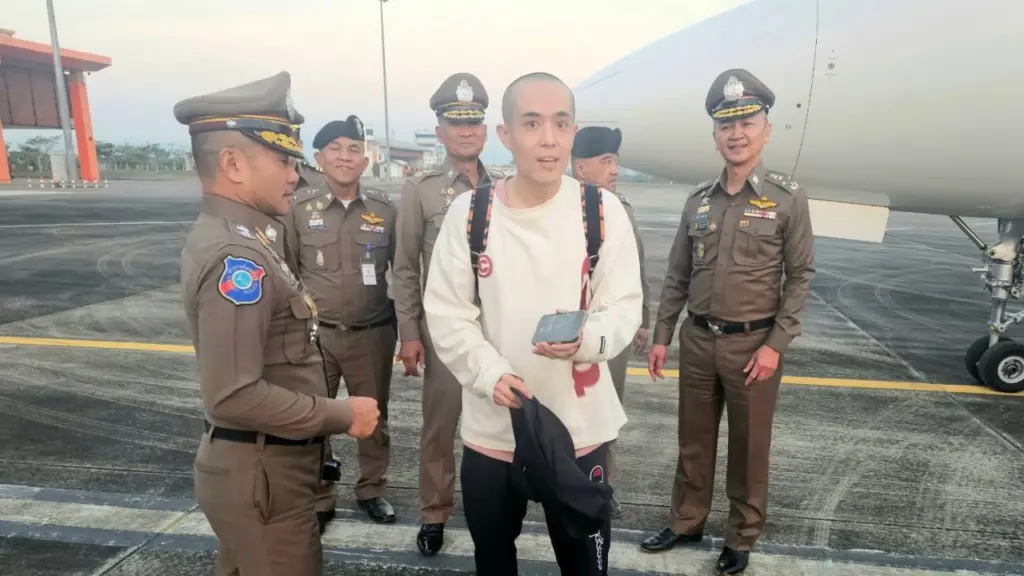
The pressure rose sharply in early 2025 after well-known cases such as the abduction of Chinese actor Wang Xing in Thailand. Reports said he was tricked into a fake film job, trafficked to a scam site in Myanmar, and later rescued. The case caused anger in China, hit Chinese tourism numbers in Thailand, and brought strong diplomatic pressure from Beijing.
Thailand responded with its biggest crackdown so far, working with China and Myanmar. Authorities cut electricity, internet access, and fuel linked to scams across the border. Police also carried out raids and helped with large repatriation efforts.
Thousands of people, many of them Chinese nationals, were taken out of compounds. Over 7,000 were initially housed in temporary sites near the border before being flown home through Thai airports, including Mae Sot. Charter flights later returned hundreds at a time, with China handling many of the returns directly.
Thai police also went after people believed to be hiding inside the country. Nationwide raids, including the November 2025 “Saifa Fad” operation, led to more than 300 arrests. Some of those held were Chinese nationals found in areas such as Chiang Rai near the Myanmar border.
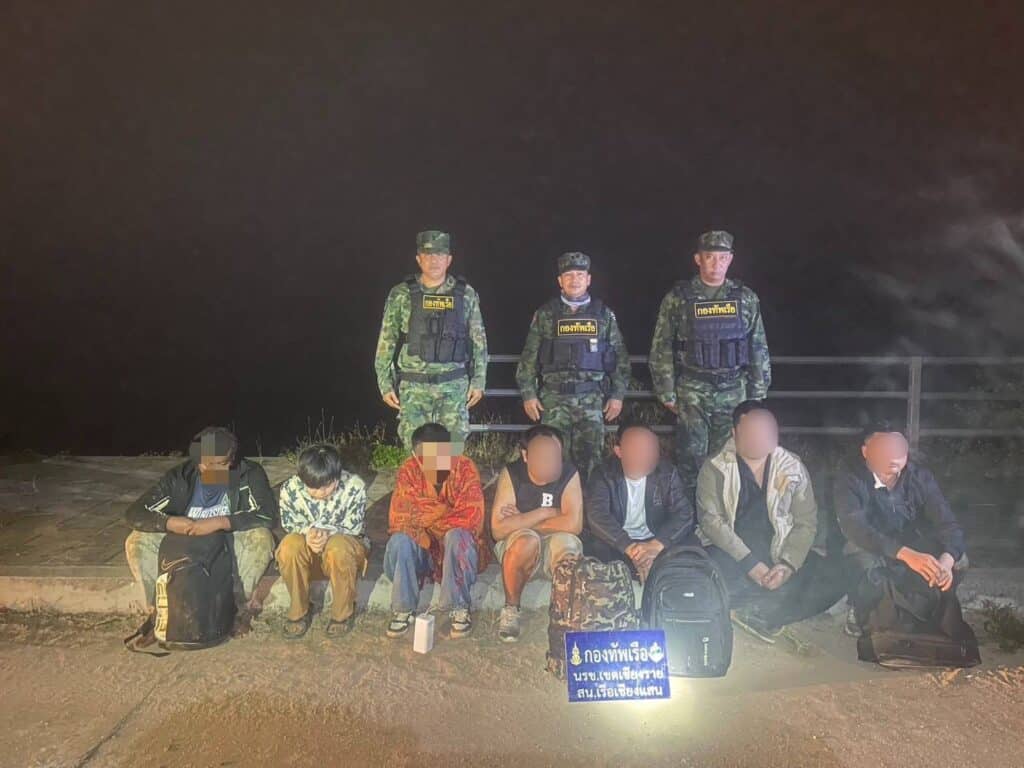
Police seized mobile phones, bank books, and mule accounts used to move stolen funds. In other cases, officers detained suspects tied to large crypto scams, trafficking rings that lured workers into scam centres, and luxury villa raids where alleged leaders tried to destroy evidence.
Some investigations have involved claims of victims losing tens of millions, with assets seized worth hundreds of millions of baht. Thailand also issued warrants and seized property linked to sanctioned figures, including Chinese-Cambodian tycoon Chen Zhi of the Prince Group.
Even with signs of progress, the scam industry hasn’t gone away. Reports have suggested scam complaints fell by about 20% in early 2025, but many groups remain active. Gangs have shifted sites, changed tactics, and used tools such as satellite internet to keep working. China has also used the crackdown to expand its security role, pushing for joint centres and playing a leading part in some operations.
Thailand’s experience shows how hard it is to stop cross-border crime when borders are easy to cross, and some areas are controlled by armed groups. Raids, rescues, and arrests have disrupted networks, but Chinese scam gangs keep adapting, which means long-term regional cooperation still matters.