


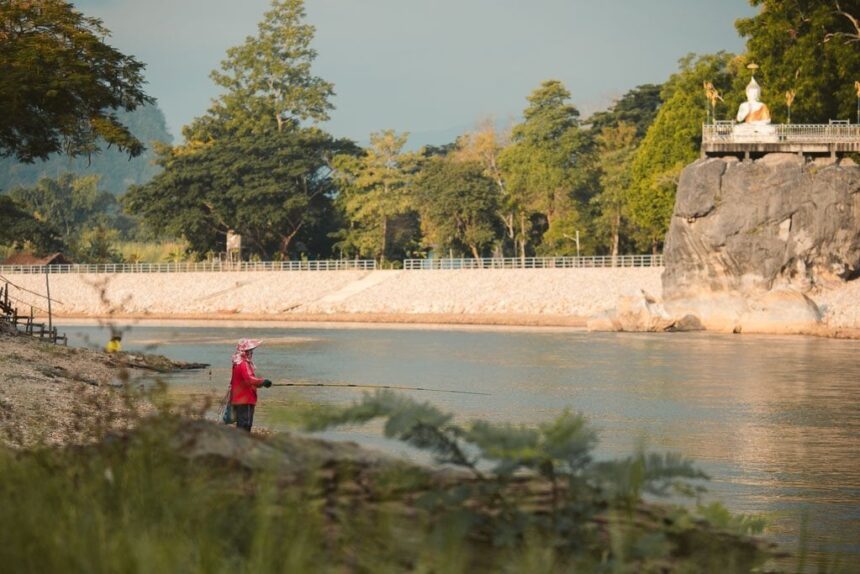
Chiang Rai – The Provincial Fisheries Office and an independent researcher have advised caution over mercury content in fish from the Kok River. While levels found are within official limits, these substances can build up in the body over time, especially with regular consumption.
Mercury is a key worry for pregnant women as it could affect child development. Regular checks at multiple sites are recommended.
On Saturday, Ms Somporn Phengkham, an independent researcher and director at the Community Health Impact Assessment Platform (CHIA Platform), spoke about recent tests on Kok River fish.
According to the Chiang Rai Provincial Fisheries Office, mercury levels are not above set standards. However, Ms Somporn raised concerns as mercury was detected at 0.09 mg/kg. While this is within the limit, she said mercury should not appear in fish at all.
The presence of mercury suggests pollution upstream, likely from gold mining, which can release heavy metals into the water. When mercury enters the food chain, such as through fish, it changes into a more toxic form. Even at low measured levels, risks remain.
“We don’t know exactly which fish were tested,” said Somporn. “Different species absorb mercury at different rates. If predatory fish like snakehead show mercury, it means smaller creatures like shrimp, snails, and crabs also carry it.
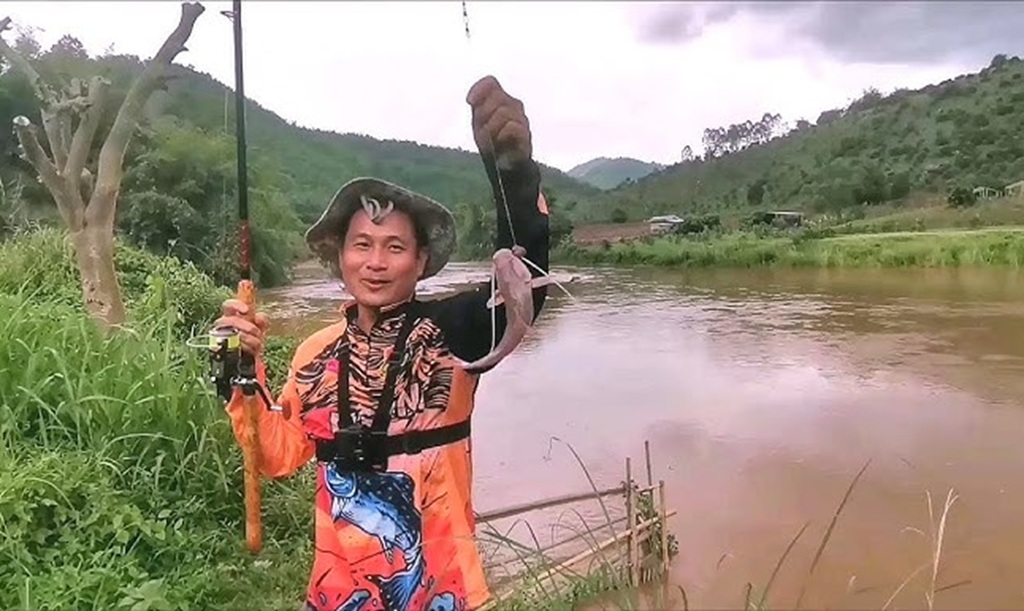
Predators eat these animals, which leads to mercury building up. If small, non-predatory fish show high mercury, that’s even more concerning.”
A pollution expert explained that many people believe fish are safe to eat as long as mercury levels are under the legal limit. Even fish with acceptable levels can pose health risks if eaten in large amounts. The World Health Organisation sets a safety limit of 2 micrograms per kilo of body weight per day. Eating above this amount may harm health.
“Next, we need to check fish from different spots, especially predatory species. Sampling should cover many locations and several fish from each site. The main task is to manage risk and warn the public, especially pregnant women.
The Minamata Convention by the United Nations bans mercury because it can build up in unborn babies. Even if mothers seem fine, mercury can harm the child. People who eat Kok River fish often should have their hair tested for mercury.
If mercury is found, action must follow to protect their health,” Somporn said. He also warned that mercury in fish can slow brain development in unborn babies and young children. Studies in some areas show links to developmental delays.
Asst. Prof. Dr. Sathien Chantha, lecturer at Chiang Rai Rajabhat University and member of the Mekong River Basin Committee, said fish should not contain mercury. If mercury is present, it must stay below the allowed limit.
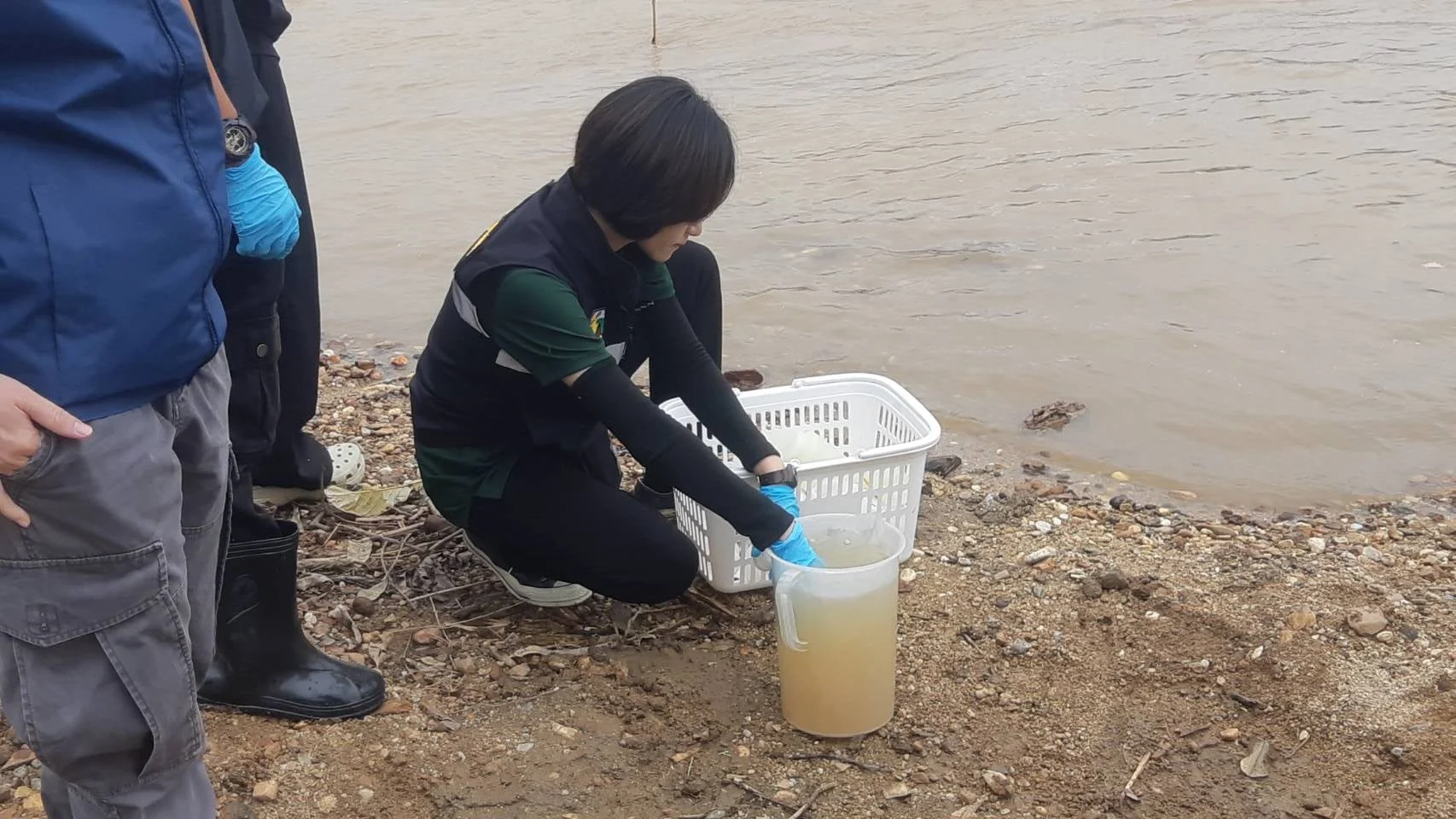
Mercury, as a heavy metal, gets stored in the body and is hard to remove. Testing may show safe levels, but eating contaminated fish often leads to a slow build-up. The amount that builds up depends on a person’s age, health, and other factors.
When asked if people should still eat fish with trace mercury, Dr. Sathien said, “From a scientific view, you can eat it, but don’t eat it often. If you can avoid it, do so—especially now that we know about the contamination.”
“Eating the fish once is unlikely to cause harm, but don’t make it a habit. Pregnant women face higher risks. Mercury in fish caused the Minamata disease in Japan, where pollution from industry led to widespread mercury poisoning.
Safe food should have no mercury or other heavy metals, or at least stay below the set limits. Fish farming rules include checks on water quality. Even if levels are within guidelines, eating contaminated fish every day makes the metals pile up in your body.
Mercury, lead, and cadmium are the main heavy metals to watch for, as they are hard to get rid of. Arsenic is another concern, as it may cause cancer, but effects differ across people,” he said.
Meanwhile, Chiang Rai’s public relations office reported that Governor Charin Thongsuk ordered agencies to join in clearing blockages in the Kok River. Teams found 20 blocked spots between the western bypass bridge and the Chalerm Phra Kiat Bridge and have started work to remove these obstacles to help prevent flooding.