



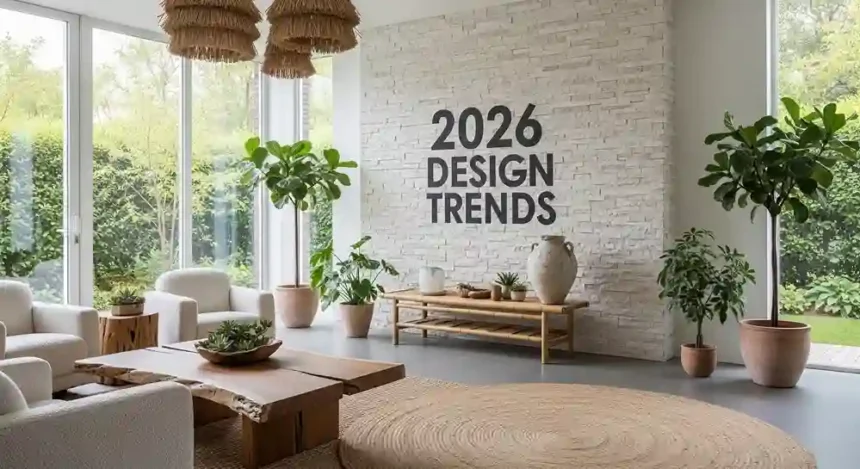
Home buyer expectations in real estate have shifted dramatically over the last decade. Today’s buyers are not just purchasing square footage or location; they are buying lifestyle, flexibility, and long-term livability. As affordability pressures rise and competition increases, home design has become a decisive factor in whether a property attracts strong offers or lingers on the market.
Design trends are no longer purely aesthetic choices. They directly influence perceived value, emotional connection, and functional appeal. Properties that align with modern buyer priorities consistently command higher engagement, faster sales, and stronger price resilience across market cycles.
Functional Layouts Over Formal Spaces
One of the most significant shifts in buyer preferences is the move away from rigid, formal layouts toward flexible, multifunctional spaces. Open-concept living remains popular, but buyers are now seeking intentional zoning rather than completely open floor plans. The ability to adapt spaces for work, relaxation, and entertaining has become critical.
Data from real estate listing platforms shows that homes marketed with flexible layouts receive up to 20% more online engagement than those emphasizing traditional room separations. Buyers want spaces that evolve with changing needs, particularly in households balancing remote work, family life, and personal wellness.
Design elements such as sliding partitions, convertible rooms, and built-in storage contribute to this flexibility while maintaining visual cohesion.
Natural Light and Visual Flow
Natural light continues to be one of the most powerful drivers of buyer appeal. Large windows, skylights, and thoughtful orientation not only make interiors feel larger but also support mental well-being and energy efficiency. Properties with abundant daylight consistently photograph better, perform stronger online, and leave lasting impressions during showings.
Visual flow matters just as much as light itself. Buyers respond positively to homes where sightlines are uninterrupted, finishes are cohesive, and transitions between spaces feel intuitive. This sense of ease reduces cognitive friction and helps buyers imagine themselves living comfortably in the space.
Dan Close, Founder and CEO of We Buy Houses in Kentucky, notes that emotional response plays a major role in buyer decision-making.
Homes that feel bright, open, and easy to move through consistently attract stronger interest. Buyers may not articulate it, but they respond instinctively to spaces that feel calm, functional, and welcoming from the moment they walk in.
Outdoor Integration and Usable Exterior Space
Outdoor living has shifted from a luxury feature to a mainstream expectation. Buyers increasingly value patios, balconies, gardens, and transitional indoor-outdoor areas that extend usable living space. Even modest outdoor upgrades can significantly enhance perceived value when designed with intention.
Features such as covered seating areas, privacy screening, and integrated lighting make outdoor spaces feel like extensions of the home rather than afterthoughts. Market studies indicate that properties with defined outdoor living areas can see valuation premiums of 5–12%, depending on climate and location.
This trend reflects a broader lifestyle shift toward wellness, leisure, and private retreat spaces within the home environment.
Security, Entry Design, and First Impressions
First impressions remain critical, and entry design has become a focal point for buyer perception. Beyond curb appeal, buyers are paying closer attention to security, access control, and the feeling of privacy as they enter a property. Front gates, fencing, and smart entry systems now contribute meaningfully to perceived desirability.
These elements are particularly influential in urban and high-density markets, where buyers prioritize safety without sacrificing aesthetics. Design-forward security solutions signal thoughtful planning and long-term durability.
Beni Avni, Owner of New York Gates, emphasizes that entry design is no longer purely functional.
“Buyers increasingly see gates and entry systems as part of the home’s identity. A well-designed entry communicates security, craftsmanship, and attention to detail, all of which elevate how the property is perceived before a buyer even steps inside.”
This growing emphasis on entry design reflects a blend of emotional reassurance and visual appeal that buyers now expect.
Material Quality and Long-Term Value Signals
Buyers today are more informed and more cautious. They look beyond surface finishes to assess material quality, durability, and long-term maintenance costs. Natural materials, solid construction details, and visible craftsmanship signal value retention and reduce concerns about future repairs.
Design choices that prioritize longevity over trendiness tend to resonate more strongly, particularly with buyers planning to stay in a home for several years. Elements like hardwood flooring, stone surfaces, and well-built cabinetry convey permanence and quality.
This mindset aligns with broader economic uncertainty, where buyers are more selective and value-conscious than in previous market cycles.
Cultural Influence and Personal Expression
Personalization and cultural resonance are also shaping buyer preferences. Homes that allow for individual expression without extensive renovation are increasingly desirable. Neutral foundations paired with adaptable design elements give buyers the freedom to imprint their identity without starting from scratch.
Insights from fashion and lifestyle industries illustrate how personal identity influences purchasing decisions across sectors. Experts from Lashkaraa.com, specialists in culturally inspired design, highlight this behavioral overlap.
“Whether in fashion or interiors, people are drawn to designs that reflect who they are. Buyers value homes that offer a flexible canvas—spaces that feel intentional yet adaptable to personal taste, culture, and lifestyle.”
This trend reinforces the idea that successful home design balances universality with individuality.
Smart Design Without Over-Complexity
While smart home features remain appealing, buyers prefer simplicity over excessive automation. Thoughtfully integrated technology that enhances comfort, efficiency, and security without overwhelming the user tends to outperform overly complex systems.
Design trends increasingly favor discreet smart features such as lighting control, climate optimization, and security integration that support daily life rather than dominate it. Homes that feel intuitive and easy to manage consistently rank higher in buyer satisfaction surveys.
Why Design Trends Directly Influence Market Performance
Ultimately, design trends influence more than aesthetics—they shape buyer confidence. Properties that reflect modern priorities signal readiness, care, and relevance. They reduce perceived risk and help buyers justify purchasing decisions in competitive or uncertain markets.
Homes designed with flexibility, light, security, and material quality in mind tend to attract broader buyer pools and maintain value across economic cycles. As buyer behavior continues to evolve, design will remain one of the most controllable and impactful levers for increasing property desirability.
In a market where buyers have more data and higher expectations than ever before, thoughtful design is no longer optional—it is a strategic advantage.
Trending News:
Bangkok Real Estate: The Beating Heart of Thailand’s Property Market