



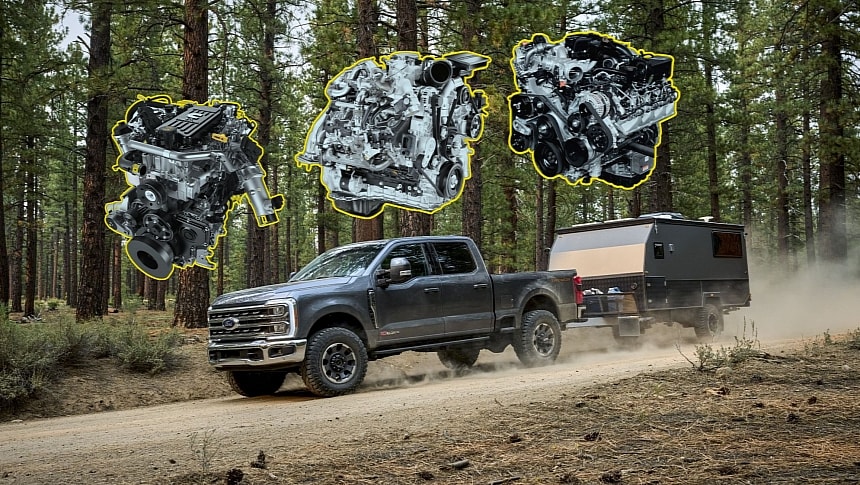
Understanding Diesel Efficiency and Power Gains
Torque is the diesel driver’s currency. Fuel economy is the ledger that keeps you honest. Throttle response is the difference between a truck that feels awake and one that feels sedated. Benchmarks have shifted—modern performance diesels can deliver towering low-end grunt without drinking fuel like it’s free.
Incremental gains here are not academic. They mean climbing grades without downshifting, overtaking with confidence, and towing heavy without punishing the driveline. Optimized efficiency translates into consistency over thousands of miles. Any increase in torque density or throttle sharpness is felt immediately in the real world.
Key Upgrades Rooted in S and S Diesel Heritage
S and S Diesel built its name on high-flow parts that don’t just add horsepower; they enhance drivability. Three upgrades stand out: high-flow injectors that feed hard without drowning cylinders, staged turbochargers that keep boost rolling from idle to redline, and ECM tuning that wrings every pound-foot without melting pistons.
Skilled integration of these mods means power without fragility. The team at S&S Diesel understands how to balance airflow and fueling so the system stays cohesive, not cobbled.
High-Flow Injectors
- Pros: Sharper throttle, stable AFR under load
- Cons: Potential for over-fueling if poorly tuned
Staged Turbochargers
- Pros: Wide, usable boost curve
- Cons: More piping complexity
Advanced ECM Tuning
- Pros: Maximizes torque across usable range
- Cons: Requires precision calibration to avoid damage
Turbocharger Selection for Immediate Response
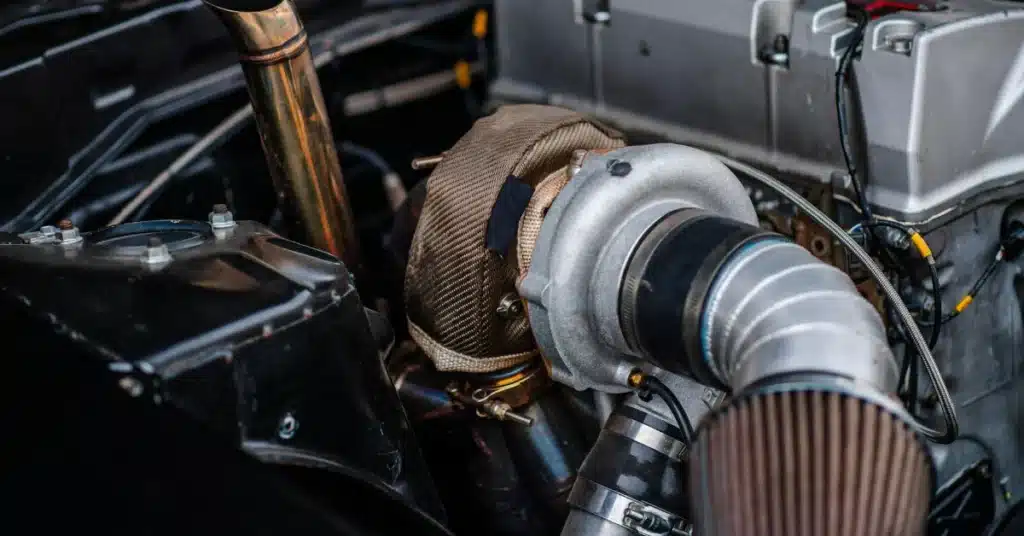
Compressor maps aren’t paperwork; they’re your blueprint for power placement. A/R ratios tell you how quickly the turbo wakes up and where it runs out of breath. Smaller ratios spool faster, larger ratios carry the freight at higher RPM. Single turbos offer simplicity and lower cost. Twin-scroll variants split exhaust pulses for faster response without sacrificing peak power.
Single Turbo
- Lower cost, simpler install
- Broader parts availability
Twin-Scroll Turbo - Faster spool, higher efficiency
- Can push top-end further
Case study: A well-matched turbo shaved 0.5 seconds off 0–60 mph for a mid-duty pickup without sacrificing towing torque.
Fuel System Upgrades Beyond Injectors
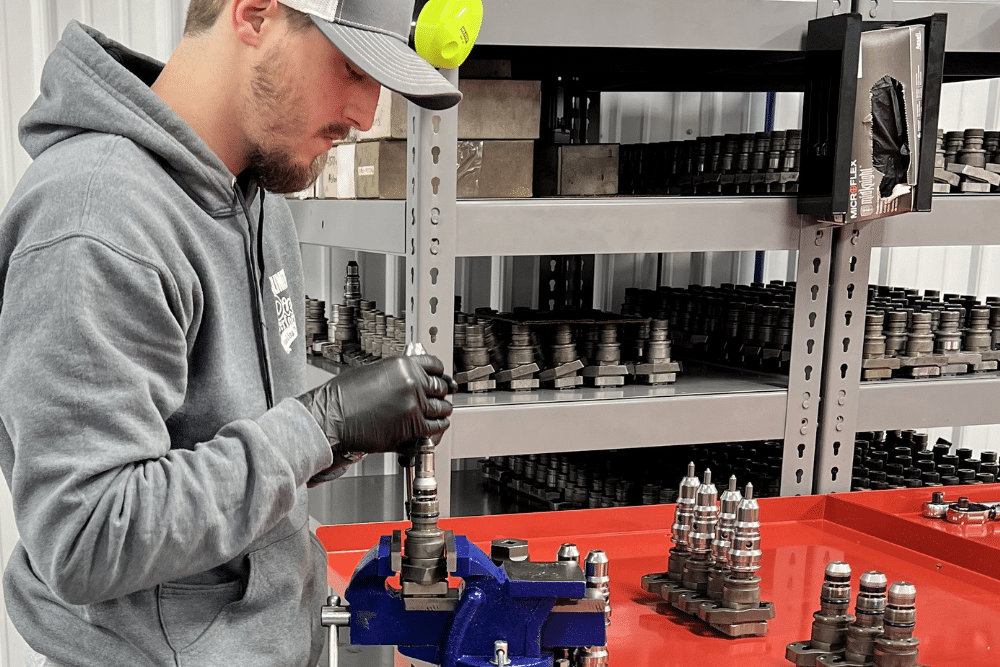
Injectors are only a piece of the puzzle. High-pressure fuel pumps raise available flow ceiling, reinforced rails hold pressure without bulge, and premium filters keep contamination from assassinating precision parts. In measured tests, peak psi climbed from 24,000 to 29,500, injector duty cycle stayed under 85% instead of pegging at 100%, and visible smoke under load dropped by a third.
Quick Component Checklist:
- Pump verified for higher output under sustained load
- Rails rated to the specified pressure without fatigue
- Filters with micron rating matched to injector tolerance
Precision Calibration: Getting Every Lb-Ft on the Road
Not all tuning files deserve to be in your ECM. Off-the-shelf maps can be decent, but they’re averages built for the unremarkable. Custom dyno calibration extracts torque where your specific build can safely use it. Knowing your safe AFR window and monitoring EGTs protects your wallet from melted parts.
Compliance matters too—smart tuning keeps you under the radar of emissions enforcement. Handheld programmers deliver flexibility for minor tweaks. Pro tuners justify the expense when every horsepower is accounted for, and the margin of safety is calculated, not guessed.

Maintenance Best Practices to Protect Your Investment
Higher boost and hotter combustion cook fluids faster. Stretching oil intervals is a false economy. Test coolant strength before seasonal changes. Keep anything between the filter and the turbo spotless to avoid grit damage. Inspect turbo plays for shaft wear before it becomes catastrophic.
Quarterly Checklist:
- Oil and filter change
- Coolant test and flush as needed
- Air intake cleaning
- Turbo shaft and housing inspection
Future-Proofing Your Diesel Build
The rules are moving targets. Selective EGR bypass kits are gaining traction in competitive builds. Modular aftertreatment allows faster swaps when standards shift. Adaptive ECU modules can recalibrate to new fuel blends on the fly.
Choosing gear with an upgrade path means you spend once and adapt later. Budget discipline matters; reserve 10–15% for compliance-ready parts that keep you legal and competitive even when regulations tighten.
Accelerating Your Diesel Project’s ROI
Every mod discussed weighs performance gains against cost. Injectors, turbos, calibration, and fuel systems add measurable torque and efficiency when chosen with intent. Balance the spreadsheet with the stopwatch—horsepower means nothing if reliability collapses. Treat your builder or tuner as a strategic partner, not a vendor. The right expertise speeds payoff and keeps your rig earning instead of breaking.