



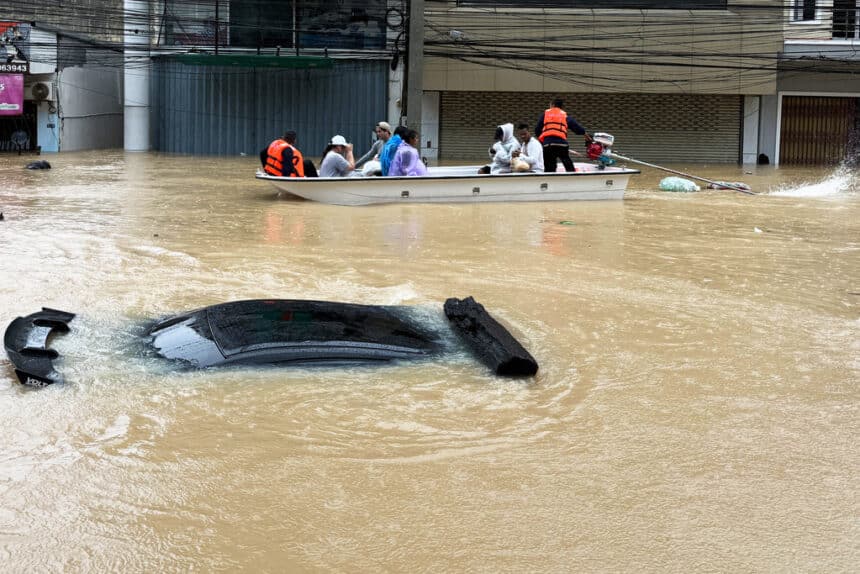
When the sea pushes back, rivers don’t drain the way people expect. That’s the risk behind the Thailand high-tide alert covering Jan 31 to Feb 4, when very high tides coincide with northeast monsoon winds.
Authorities warn that seawater can push inland and lift river levels, especially along the Chao Phraya, Tha Chin, and Mae Klong rivers. Low-lying communities should pay close attention, including neighborhoods outside floodwalls and areas protected only by temporary barriers.
This update explains where the overflow risk is highest, which roads may experience short flooding, what saltwater intrusion means for tap water and farms, a simple checklist to complete before peak tide, and quick FAQs for daily decisions.
What is driving higher water levels this week, and what could happen
High tides are normal, but some tide cycles run higher than usual. When that occurs during the northeast monsoon, strong winds can impede drainage and push seawater upstream. Think of it like trying to empty a sink while someone presses a hand over the drain. Water backs up, then spills into low spots.
This week’s concern centers on coastal backflow moving into three key river systems: the Chao Phraya River high tide, Tha Chin River high tide, and Mae Klong River high tide zones. The effect can travel inland, not just at the river mouth.
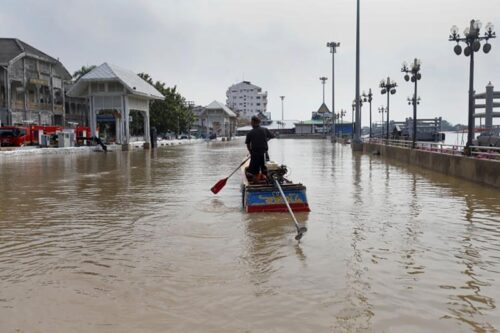
Likely impacts are usually short-lived but disruptive. Water can spill into low-lying riverbank areas, canal levels can rise rapidly, and some streets may flood briefly during peak tide hours. The risk tends to spike for a few hours around the daily high tide, then ease as the tide falls.
Timing matters. Peak tide hours can shift each day, and they vary by location along the river. For background on seasonal weather drivers, the Thai Meteorological Department posts regular updates on its site, including monsoon conditions and warnings on the TMD website.
Why the Chao Phraya, Tha Chin, and Mae Klong rivers matter for nearby neighborhoods
These rivers are connected to dense communities, piers, markets, and canal networks. When the main river rises, smaller canals feeding into it can rise too, sometimes quickly. Low lanes near the waterline can overflow first, even if the main roads look fine.
Water also behaves differently around piers, tight bends, and narrow canal mouths. Levels can jump in a short time, then drop just as fast. That’s why the risk of riverside flooding in Thailand often appears uneven, with one block wet and the next dry.
River conditions can also turn dangerous without warning. Fast currents and poor visibility pose a real hazard during high flows, as local reports indicate, as rescue workers search for a missing diver in the Chao Phraya River. The takeaway is simple: avoid wading near deep edges and don’t assume calm water is safe.
Peak tide hours can change. Here is how to plan without guessing
People often ask for a single “worst time,” but tides don’t work that way across long river stretches. A peak tide at the coast won’t match the exact timing farther inland, and wind can shift the peak.
A practical plan is to treat early morning and evening as higher-risk windows for commuting and moving goods, then confirm exact timing from official sources. Check the latest water-level notes before leaving home, especially if the route crosses canals or hugs the river.
Public tide tables can offer a clue. For example, some tide forecasts for the Bangkok area indicate higher water early on Jan 31 (around 6:17 AM local time). Use that as a prompt to check updates, not as a guarantee for your street.
Where the risk is highest: outside floodwalls and behind temporary barriers
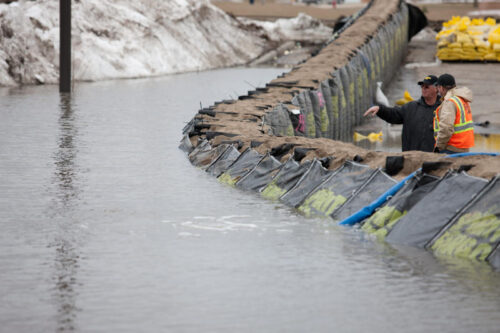
The biggest overflow risk is in places not protected by permanent floodwalls, and in areas relying on temporary flood barriers Thailand such as sandbags or removable panels. Temporary barriers can leak, shift, or get overtopped when water rises quickly.
People in unprotected zones should watch for early warning signs, because they often appear before visible street flooding:
- Water seeping through or under sandbags
- Bubbling water coming up from floor drains
- Toilets backing up or gurgling sounds
- A sudden jump in water at steps, pier edges, or basement ramps
If any of these occur, the first steps should focus on preventing damage and electrical hazards. Move valuables and paper documents higher. Lift appliances off the floor where possible. Keep power strips and extension cords away from wet areas, and avoid touching wet plugs.
Shops near the riverwalks and markets should also consider stock. A few centimeters of water can ruin cartons and packaging fast. Move inventory to shelves early, not after water appears.
For added local context on how quickly river conditions can change, see Rescue diver body recovered from Chao Phraya River, which highlights strong currents and difficult conditions even when it seems manageable from shore.
Seven provinces under the high-tide watch (Jan 31 to Feb 4)
The watch covers seven provinces:
- Samut Prakan
- Bangkok
- Nonthaburi
- Pathum Thani
- Samut Sakhon
- Nakhon Pathom
- Samut Songkhram
These provinces include low-lying river and delta areas connected to the three main rivers, so seawater push and river swelling can be felt farther inland than many expect.
Roads and commute impact: where short flooding may hit and how to stay safe
Even when homes remain dry, commuting can be disrupted during peak tide hours. Short-term road flooding often shows up at low points, near canal crossings, and in areas where drainage can’t keep up.
Officials have flagged possible water pooling on major routes, including Sukhumvit Road, Suksawat Road, and Rama II Road. This doesn’t mean these roads will flood end to end. It often means that certain stretches can hold water briefly before clearing.
Practical commuter advice stays the same across Bangkok-area high tide events:
Add extra travel time, especially if the route includes underpasses. Avoid known low points if there’s an alternate road. Follow traffic police and district staff instructions, even if the detour feels slow. Watch for wake from trucks, because a fast-moving vehicle can push water into shopfronts and motorbike lanes.
Drivers should not force a car through deep water. Water entering the air intake can stall the engine and cause costly damage. Motorbike riders should slow down, maintain a safe distance, and avoid riding along the lane edge, where potholes and open drains may be hidden beneath brown water. Delivery riders should protect phones and power banks in waterproof bags and keep food orders elevated.
Quick checklist: what to do before peak tide
- Move valuables and small electronics to higher shelves
- Put documents in sealed plastic bags, then store them up high
- Lift power strips off the floor, unplug low outlets if water threatens
- Park cars on higher ground, and avoid parking next to canal walls
- Place sandbags tightly and staggered, seal gaps at door corners
- Clear leaves from drains, floor traps, and gutter outlets
- Check backflow valves if the home has them
- Charge power banks, keep a flashlight ready
- Keep boots and gloves near the door
- Save emergency contacts, including local district numbers
Saltwater intrusion: what it means for tap water and farms
Saltwater intrusion occurs when seawater moves upstream during high tide, increasing salinity in water sources. In the Bangkok region, this can affect tap water production because treatment plants must manage changing water quality. It can also affect irrigation water in river and canal-fed farm areas.
This is why “saltwater intrusion Bangkok tap water” concerns often arise during high-tide warnings. The key point is to stay factual: tap water is not automatically unsafe. If officials issue a notice, follow it. If there is no notice, normal use usually continues.
Households can still take common-sense steps during the alert period. Store drinking water for convenience. If taste or odor changes, consider a taste-and-odor filter and wait for official guidance. If authorities advise briefly flushing taps at certain times, follow those instructions, as it can help clear standing water in the building’s pipes.
For farmers, the risk depends on crop type and local salinity readings. Sensitive crops can be harmed if saline water is used for irrigation. If salinity warnings are issued locally, avoid pumping during the warned hours and use stored freshwater when possible.
For broader context on repeated ONWR advisories this month, see reporting such as ONWR issues tidal flood alert for Bangkok and six nearby provinces.
How to check official updates and what to watch for at home
For official water-level and alert updates, monitor the Office of the National Water Resources and the Thai Water app. Weather conditions tied to monsoon flow can also be checked via the Thai Meteorological Department warnings page.
At home and at work, watch for a few simple signs:
- River or canal level marks near piers and steps
- Storm drain backup around the building
- Unusual taste or smell changes in water (report if advised)
- Alerts from local districts and municipal teams
FAQ: clear answers for residents during the Thailand high tide alert
What is a Thailand high tide alert?
It’s a warning that unusually high tides may lift river and canal levels. When monsoon winds push seawater inland, the risk of overflow increases in low-lying areas.
Which provinces are affected Jan 31 to Feb 4?
Samut Prakan, Bangkok, Nonthaburi, Pathum Thani, Samut Sakhon, Nakhon Pathom, and Samut Songkhram.
Why do high tides cause flooding in the Bangkok area?
High tides can slow drainage and push seawater upriver. That raises river levels and can cause short overflow into low spots, especially outside floodwalls.
What time of day is peak tide?
It depends on the day and the location along the river. Check official updates and local district posts for the latest timing.
What is saltwater intrusion and is tap water safe?
Saltwater intrusion is salty seawater moving upriver during high tide. Tap water safety depends on official notices, so follow guidance from water authorities and ONWR.
Which roads may flood?
Short flooding or water pooling may occur on Sukhumvit Road, Suksawat Road, and Rama II Road during peak tide hours, especially at low points.
What should condo residents and shop owners do?
Condo residents should protect basement areas, parking zones, and electrical rooms, then follow building management updates. Shop owners should move stock up early and keep power strips off the floor.
Where can I check official water level updates?
Use ONWR updates and the Thai Water app, plus local district announcements. Weather updates are also available through the TMD website.
Should I place sandbags even if I never flooded before?
If the home is in a low spot outside permanent floodwalls, sandbags can help. Place them early and seal gaps, as rushing during peak water is more difficult.
What should I do if water enters my home?
Turn off electricity in affected areas if it’s safe to do so. Move people and valuables to higher ground, then contact local authorities for assistance if the water continues to rise.
Sources and update note
This alert period is tied to an Office of the National Water Resources (ONWR) warning about higher tides from Jan 31 to Feb 4 and the added effect of northeast monsoon winds. Conditions can change by the hour, so rely on official channels, the Thai Water app, and local district updates. For related context on recent high tide warnings, see Bangkok Post coverage of earlier January high tide warnings.
Conclusion
The Thailand high tide alert for Jan 31 to Feb 4 is a practical warning, not a prediction of disaster. The biggest risk remains low-lying riverside areas outside permanent floodwalls and places that depend on temporary barriers that can leak or shift. Commuters should expect slower travel times and a short flooding risk on Sukhumvit, Suksawat, and Rama II during peak tide hours, while saltwater intrusion may affect water production and farming in some areas.
Complete the checklist today, then monitor official updates as conditions shift. If a neighbor is elderly, has mobility limits, or runs a small riverside shop, extra help now can prevent a hard week later.