


BANGKOK – Tourist Police have arrested a British man accused of running an illegal tour company in Thailand. Officers say he set up a website, sold tour packages, drove clients himself, and acted as the guide without any Thai staff joining the trips.
On Friday, Pol Gen Kittirat Phanphet, Commissioner-General of the Royal Thai Police, ordered Tourist Police to step up enforcement against offences that can harm the tourism industry.
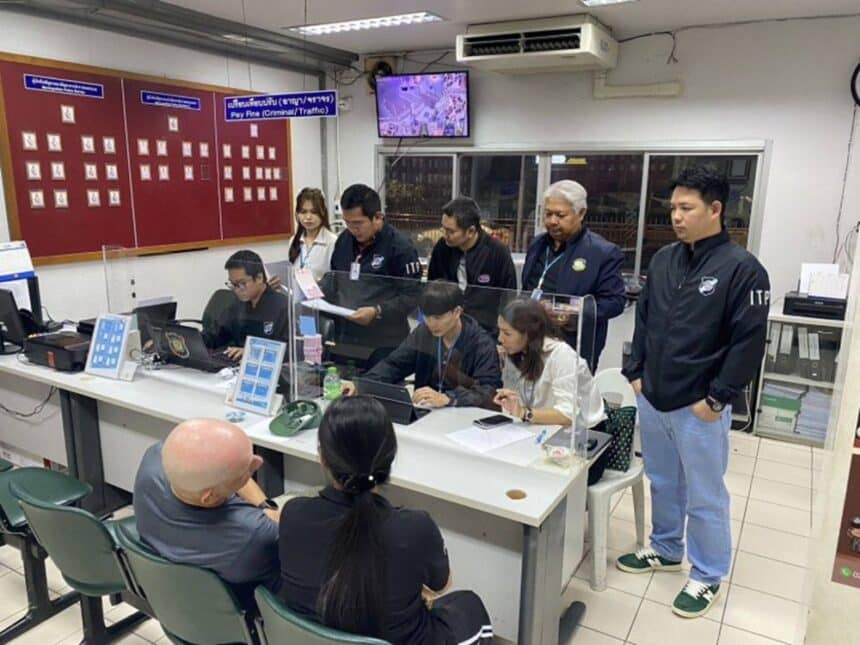
Tourist Police Bureau Commander Pol Lt General Saksira Phueak-am directed the Investigation Division to act on the order. The team, led by investigators from the Tourist Police Bureau, focused on crime prevention and tourist safety during the high season.
Investigators said they received complaints about a foreign national, identified as Nicholas, 53, a British citizen. Officers planned an arrest and used an undercover approach to monitor his tours from start to finish.
According to the Tourist police, Mark arranged the full itinerary himself, drove the vehicle, and guided the group throughout. They said there were no Thai staff involved on the trips.
The investigation found that the tours included wildlife visits in various national parks across Thailand. Police said Nicholas also arranged accommodation and meals, paid expenses during the trip, and then collected payment from customers through his own website.
Officers also reviewed his social media pages and website, saying the tours appeared to have been offered repeatedly over a period of more than 10 years. They said the illegal operation caused more than 10 million baht (about $318,270) in losses to the tourism industry over the past decade.
The Tourist Police raised concerns that this could damage the wider tourism sector and create safety risks, especially where national park routes require skilled driving and local experience.
According to Khaosod News, the suspect operated a personal website hosted overseas, allowing foreign tourists to access information and book tour packages online. His Facebook page advertised 18-day tours covering five provinces, which had been repeatedly offered over many years.

The tours were priced at about 100,000 baht ($3,180) per person, excluding airfare, with groups typically limited to about 10 participants. He would allegedly pick up tourists at the airport and lead trips across Thailand, particularly to national parks such as Kaeng Krachan, Khao Yai, and Doi Inthanon.
Nicholas admitted to running the tours for more than 10 years, describing them as niche trips presented as informal outings among friends. Authorities said that the approach allowed him to avoid drawing suspicion and evade arrest for years.
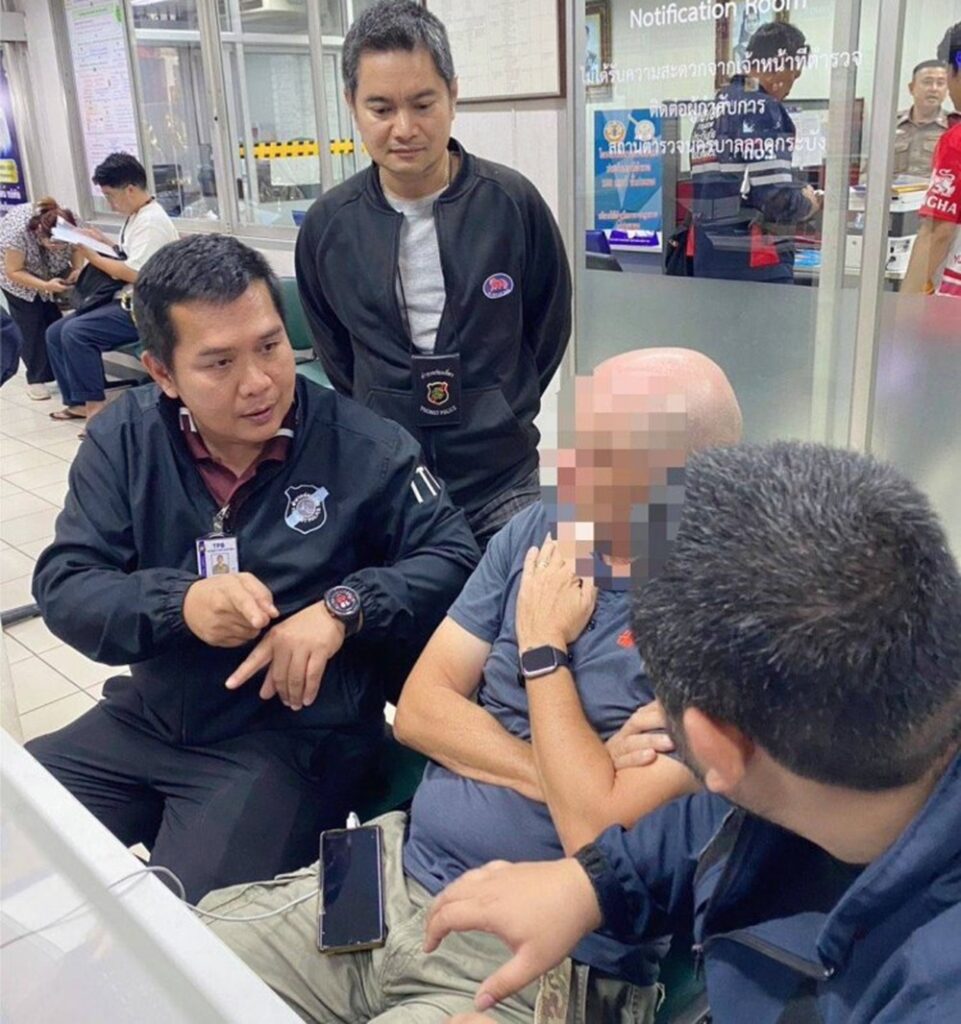
Police said they moved in on the final day of the trip and arrested him at Suvarnabhumi Airport after he had dropped off the tourists. During checks, officers said he could not produce the required licences.
Tourist Police Filed Two Charges
- Operating a tour business without a licence from the registrar, punishable by up to 2 years in prison and/or a fine of up to 500,000 baht
- Working as a foreign national without a work permit, or working outside the permitted scope
He was taken to the investigators at Lat Krabang Police Station in Bangkok for further legal action.
In Thailand, foreign nationals can’t legally run tours or work as tour guides. Thai labour and tourism laws keep these jobs for Thai nationals only. The rule is there to protect local work and keep tourism standards under control.
Even so, illegal tour businesses run by foreigners have grown in recent years, with reports often pointing to groups from China, Russia, Britain, and Israel. Some take advantage of long visa-free stays, while others use nominee setups, with Thai fronts holding the paperwork.
These unlicensed tours cover everything from national park trips to high-end holiday packages. They often undercut licensed Thai operators and can drain large amounts of income from the local economy, with estimates ranging from tens to hundreds of billions of baht.
There are also safety risks when trips are run without proper permits, trained staff, or insurance. Penalties can be tough, including fines of up to 500,000 baht, jail time, deportation, and bans on future work permits, all aimed at protecting Thailand’s tourism industry.