


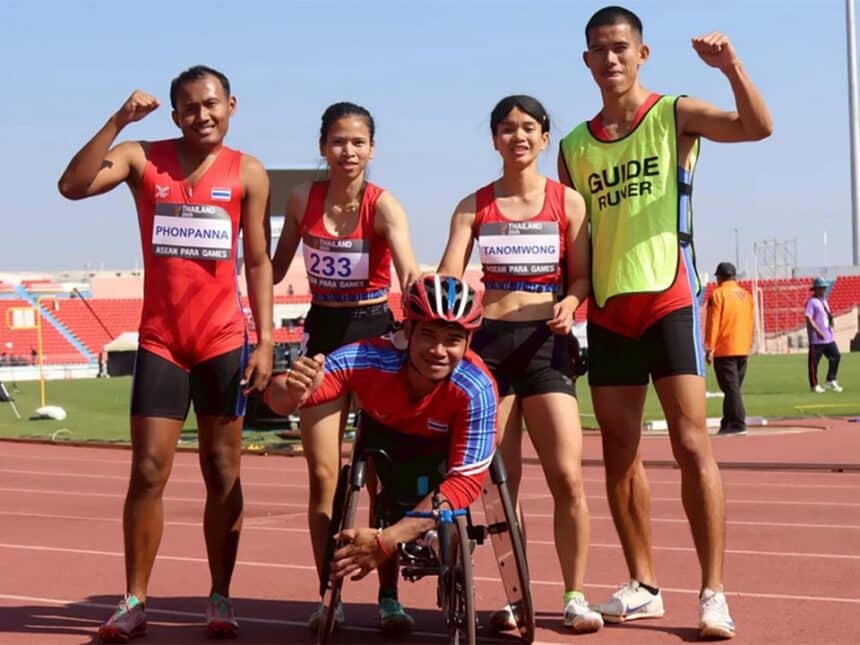
Thailand finished top of the medal table at the 13th ASEAN Para Games, winning 175 gold medals and securing the overall title for a record seventh time. The Games were hosted in Thailand and ran from Jan 20 to 26, 2026, giving Thai para athletes the rare chance to chase a regional crown on home soil.
The result is more than a headline number. In a multi-sport event with many classifications and finals each day, the top team is usually the one that performs well across sports, not just in one strong program.
A home game also has its own feel. Local crowds tend to amplify the noise in the venues, families show up with banners, and every medal ceremony takes on extra meaning. That kind of attention can be a gift, but it also adds pressure, because athletes know the country is watching and they want that coverage to be respectful and fair.
Key results at a glance
- Dates (Jan 20 to 26, 2026)
- Number of sports (19)
- Total gold medals available (493)
- Thailand’s gold total (175)
- Milestone (7th time overall)
What the final medal table says about Thailand’s performance
Topping the ASEAN Para Games medal table is a blunt measure, but it still says something clear: Thailand delivered day after day, across many sports and events. At multi-sport meets, medals are awarded across a wide range of classifications. That system exists so athletes compete against others with similar activity limitation, which is why a single sport can produce many finals.
For Thailand, finishing first also signals depth. It suggests there were strong athletes not only at the top, but also in the next wave, the kind who can win heats, handle qualifiers, and come back again the next day for another final. That depth matters because schedules are tight and recovery time is short.
Hosting brings advantages and pressure at the same time. Familiar venues, home support, and simpler travel can help performance. But home expectations can also be heavy. When the team still finishes first under that weight, it points to preparation and steadiness, not just emotion.
A home game, run to international formats
The Games were contested under international sport formats, which matters for trust and progress. When rules, timing systems, and classification processes align with global standards, results carry greater value. Athletes and coaches can then compare performances to Asian and world level meets with more confidence.
Why a seventh overall title is a big deal
A seventh overall championship does not happen by accident. It usually reflects years of athlete pathways, coaching quality, and regular competition. It also points to systems that can identify talent early, keep athletes in training, and help them improve in small steps over time. In para sport, those steps often include better equipment, stronger technical coaching, and steady support for travel and event entry.
Where the gold medals came from: athletics and swimming led the way
Thailand’s 175 gold medals were driven mainly by athletics and swimming, as reported in Games coverage. That pattern makes sense. These two sports feature many events and classifications that span multiple days, allowing a well-prepared team to build momentum.
It also shows balance. If medals come from both track and pool, it usually means the team has strength across different training environments, coaching groups, and athlete profiles. That kind of spread can protect a medal table lead when one sport has an off day.
For readers trying to understand the scale, it helps to think of the ASEAN Para Games like a week-long exam with many subjects. A team that scores well in only one subject may shine for a day. A team that scores well in several subjects often wins the week.
Athletics delivered a big share of the medal haul
Athletics often produces a large share of medals at para events because there are many disciplines (sprints, middle distance, throws, jumps) and many classifications. That means more finals, more chances, and more need for depth.
It also rewards strong programs. When a team has strong coaching across track and field and enough athletes to cover a range of events, the medal count can rise quickly. Even without naming individual winners, the broader message is clear: athletics is usually where a host nation can either hold its lead or lose it, and Thailand held it.
Swimming kept the momentum going day after day
Swimming is another medal-rich sport. Athletes can race multiple strokes and distances, sometimes across several days. A deep squad can spread the workload, keep the pace in heats, and still be sharp in finals.
Swimming also tests preparation in a different way than athletics. Starts, turns, and pacing are technical. Small mistakes can cost medals. Strong results in the pool often reflect careful coaching and consistency, not luck.
Why this win matters for para sport in Thailand, beyond the medal count

A medal table win fades quickly if it does not change the athletes’ daily lives. The bigger impact comes when a home event turns into long-term visibility and better access to sport for people with disabilities.
In Thailand, big meets can shift the public picture of para athletes from occasional inspirational clips to full sports coverage, complete with tactics, training talk, and honest performance analysis. That kind of coverage builds respect because it treats athletes as athletes first.
The home Games spotlight also helps younger people and families see a pathway. If a child with a disability sees athletes competing in packed venues, it can turn sport from an idea into a real option.
More visibility, more respect, and more kids who want to try sports
Visibility can lead to practical change. Schools may take inclusive sport more seriously. Local clubs may set up para sessions. Media outlets may give results regular space, not only during major events.
Role models also matter in a simple way. When athletes are seen often, they become familiar names. That familiarity reduces stigma and builds confidence for new participants who want to try a sport for the first time.
The support athletes need next: training, coaching, facilities, and accessibility
Winning at home should sharpen the focus on what comes next. Practical needs are easy to list, but hard to deliver without steady support:
- Regular competitions that prepare athletes for pressure
- Skilled coaching and consistent training groups
- Sport science support (strength, recovery, nutrition)
- Travel funding for meetings outside Thailand
- Accessible venues, transport, and training times that work
- Equipment support where it’s required for safe performance
What happens next for Thailand’s para athletes after the ASEAN Para Games 2026
After a major meet, most athletes move straight into recovery. That can mean rest, treatment for minor injuries, and a phased return to training. Coaches then review races and events, looking for small gains that can add up over a season.
Selection is also an ongoing process. Strong results at the ASEAN Para Games can strengthen an athlete’s position, but programs still need depth, because injuries and form changes are part of sport.
Building toward tougher Asian and world-level meets
The next step is usually higher-level competition, where the field is deeper and margins are smaller. That calls for clear targets, better times and distances, and more athletes who can reach finals, not only take part. Thailand’s stated direction is to build toward Asian and global competitions, which fits the logic of using a home Games as a springboard.
For context on the regional structure and updates, the ASEAN Para Sports Federation is the central body for these Games and posts news and key announcements through its channels.
How fans can support para athletes all year
Support does not need to be loud to be useful. A few actions can help keep attention steady:
- Follow official updates and athlete stories, then share them with care
- Attend local meets when possible and bring families and students
- Support brands that sponsor para sport programs
- Push for accessible community sport spaces in towns and campuses
- Use respectful language and focus on sport performance, not pity
FAQ: quick answers about the ASEAN Para Games and Thailand’s results
How many gold medals did Thailand win?
Thailand won 175 gold medals at the 13th ASEAN Para Games. That total helped Thailand finish top of the medal table.
How many sports were in the 2026 ASEAN Para Games?
There were 19 sports contested. The mix of sports and events helps explain why consistency across days matters.
Which sports delivered the most medals for Thailand?
Athletics and swimming were reported as the main medal drivers. These sports have many events and classifications, so strong squads can win often.
What does “para sport” mean?
Para sport refers to sports for athletes with disabilities, using rules and classifications designed for fair competition. It includes many of the same sports seen in non-para events, adapted when needed.
Why is Thailand’s seventh overall title significant?
A seventh title points to long-term strength, not a one-time peak. It suggests Thailand has systems that develop athletes, support coaching, and maintain consistent performance across Games cycles.
How long did the Games run?
The Games ran from Jan 20 to 26, 2026. That one-week window creates a busy schedule with limited recovery time.
What is the medal table?
The medal table ranks countries by the number of medals won, with golds listed first. It gives a fast picture of which teams performed best overall.
Sources and reporting notes
- Nation Thailand report (news coverage used for the main headline facts and framing).
- APSF background and organizers’ updates via APSF latest news.
- Results references and records resources via APSF results, ranking and records.
- General event background can also be cross-checked through the 2025 ASEAN Para Games overview (useful for context, not an official results source).
Medal tables can change after reviews, protests, or classification updates. Final confirmation should always come from official event channels.
Conclusion
Thailand’s home ASEAN Para Games ended with a clear result: 175 gold medals, top of the medal table, and a record seventh overall title. It was the kind of win built on steady performance, not on a single perfect afternoon.
The bigger story is what follows. If the attention stays on para sport, the next generation will have more places to train, more coaches to learn from, and more chances to compete.
The medals will be remembered, but the most lasting legacy should be respect for athletes and real inclusion in everyday sport across Thailand.
SEE ALSO: Crystal Palace Falls to Chelsea 3-1 in Selhurst Park Thriller