



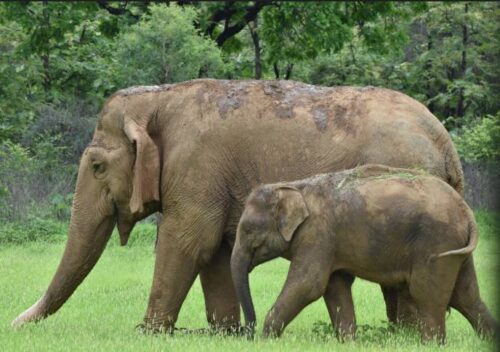
Thailand’s elephants are loved, protected, and also feared in some villages for one simple reason: when a hungry herd walks into a farm or across a dark road, people can get hurt.
That tension lies behind a new step by wildlife officials: a contraceptive vaccine trial for wild elephants in Thailand. It’s a first for the country and is being closely watched by communities, conservation groups, and scientists.
This report explains what happened in Trat, why contraception is being tried, how the vaccine works in plain language, what experts will track next, what residents can do right now, and quick answers to common questions.
What happened in Trat (the first real-world test for Thailand’s contraceptive vaccine for wild elephants)
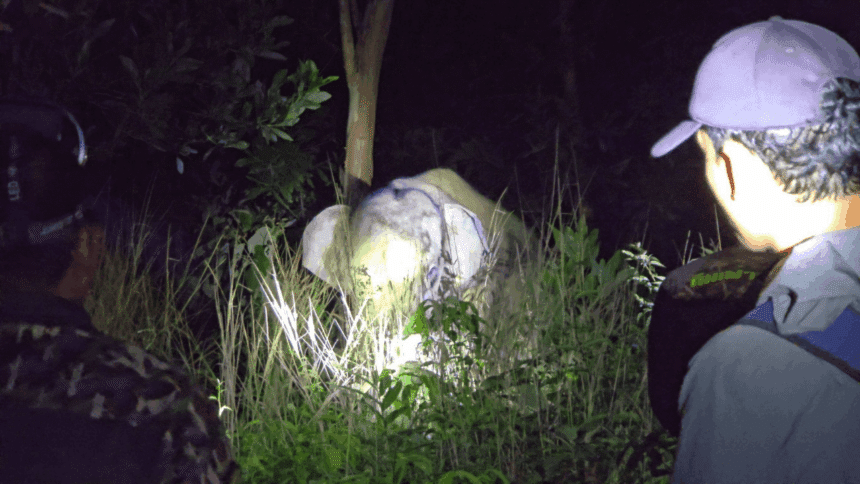
Officials said three adult female wild elephants were vaccinated in Trat province’s Bo Rai district, within Namtok Khlong Kaeo National Park. The work was done at night using an air-powered dart gun, so the elephants did not need to be captured or transported.
Thailand’s Department of National Parks, Wildlife and Plant Conservation (DNP) described it as the country’s first use of a contraceptive vaccine on wild elephants. More doses are planned before the rainy season begins in May.
After darting, officials reported that the elephants were checked for immediate issues such as swelling or infection and then observed behaving normally. Follow-up checks are planned long term, including health monitoring and blood testing every 6 to 8 months (officials have described it as every 6 months in some briefings).
For additional context on how this was reported in Thai media, see Thai PBS World’s report on the Trat trial.
Who led the work, and how the darting was done safely
DNP and its Wildlife Conservation Office led the operation with a wildlife veterinary team. Officials said the team darted the elephants without anesthesia, which can reduce risk in the field. Sedation can lead to falls, breathing problems, or separation from the herd, especially in rough terrain.
Using darts also limits handling time. In a real forest setting, spending less time near an elephant often means fewer risks for both the animal and staff.
What we know about the elephants after the shot
Officials said the elephants appeared well and continued their normal herd life after vaccination. That early outcome matters, but it doesn’t answer the bigger question: how will things look over months and years?
Monitoring can include the dart site (for swelling or infection), appetite, walking and posture, signs of stress, and whether the elephant keeps its usual role in the group. Long-term follow-up is the only way to confirm real-world safety in wild herds.
Why Thailand is trying contraception instead of culling
The aim is not to punish elephants. It’s intended to slow birth rates over time, reducing the intensity of future conflicts. Officials have framed this as a non-lethal wildlife management tool that could protect both people and elephants.
DNP has cited fast growth in some eastern forest areas. Officials reported that one monitored wild population increased from 334 elephants in 2015 to nearly 800 last year, and that eastern provinces have seen an annual birth rate of about 8 percent, compared with around 3 percent elsewhere.
This approach has been discussed in Thailand for more than a year. For background on earlier planning and debate, see Khaosod English on Thailand’s proposed elephant population control start.
The real problem: human–elephant conflict in Thailand
Conflict often arises at the forest edge, where farms, fruit trees, water sources, and roads intersect with elephant routes. Crop raids can happen in minutes. A single surprise meeting on a road at night can turn deadly.
Officials have reported that since 2012, human–elephant conflict has caused almost 200 human deaths and more than 100 elephant deaths. Those numbers reflect various incidents, including vehicle collisions, defensive actions by people, and injuries during attempts to push elephants back.
Why does this matter even though Asian elephants are endangered
Asian elephants are listed as Endangered on the IUCN Red List. That global status can be confusing for local residents who see more elephants near their homes.
Both realities can be true. A species can be threatened overall, while some protected areas see stronger reproduction. Managing conflict in those hotspots can help conservation efforts, as fewer clashes can mean fewer preventable deaths for elephants and people.
How an elephant contraceptive vaccine works (plain English)
This type of program is often called immunocontraception. In simple terms, it trains the immune system to block fertilization, lowering the chance of pregnancy. It does not involve surgery, and it is designed to be non-lethal.
Thailand’s program focuses on female elephants because reducing pregnancies is the most direct way to slow population growth over time. Officials have said the effect is expected to last for years and that the method is reversible if boosters are discontinued.
Similar fertility-control work has been tested in other settings, including trials with captive elephants. Chiang Mai University has been involved in research on elephant immunocontraception, and veterinary trade reporting has covered early trials, including a summary of an announced vaccine trial for Asian elephants.
Will it change behavior, feeding, or the herd’s daily life?
That’s one of the biggest open questions. Experts look for changes in movement patterns, stress behavior, mating behavior, and social roles inside the herd.
In the short term, the main concern is a reaction at the dart site or signs of discomfort. In the long term, researchers will want to confirm that herd life stays stable and that females continue normal feeding and group routines.
What experts will watch next before scaling up
Officials have said more vaccinations are planned (15 additional doses) before May. Before expanding further, monitoring must remain strict and transparent. Practical watch points include:
- Pregnancy rates over time in treated herds
- Blood and waste checks at regular intervals (officials have cited six to eight months)
- Dart-site side effects, such as swelling or infection
- Body condition and calf survival in the same group
- Whether conflict reports near farms and roads change over time
Is it humane, and what does it mean for people living near elephant ranges
For families living near forests, contraception won’t change tonight’s risks. Even if the vaccine works as hoped, results will take time because it prevents future births, not current movement.
The ethics debate is real, and it deserves calm discussion. Some conservation groups support fertility control as a way to avoid killing. Others worry about long-term effects and the idea of humans deciding which wild animals should reproduce. Elephant Aid International’s analysis discusses a critical perspective on Thailand’s broader management plan.
Thailand also faces a wider elephant welfare conversation, from conflict management to tourism practices, including questions raised in Chiang Rai Times’ discussion of ethical treatment of elephants.
Is it humane? The key arguments on both sides
Supporters say non-lethal fertility control can reduce future suffering by lowering the number of dangerous encounters. They also argue that it can reduce pressure on the limited habitat.
Critics worry about heavy intervention in wild populations and uncertainty about effects over many years. They also question fairness, since only certain herds or females may be targeted.
A practical safety checklist for communities and drivers
Daily safety remains important, especially in the eastern provinces, where crossings are common.
- Drive slower at night near forest edges and known crossing points
- Never feed elephants, even “to calm them.”
- Keep distance, don’t crowd, and don’t honk or chase
- Secure food and trash so elephants are not pulled into villages
- Use community-agreed crop protection, and avoid acting alone in a panic
- Report sightings to park staff or local authorities, support early-warning groups
FAQs: quick answers about Thailand’s elephant contraceptive vaccine trial
What is the Thailand contraceptive vaccine wild elephant program?
It’s a DNP-led trial using a contraceptive vaccine on wild female elephants to slow population growth and reduce future conflict.
Is the vaccine safe for elephants?
Officials say the first elephants treated in Trat showed no immediate issues, but long-term safety depends on continued monitoring.
Does it hurt the elephants?
The dart is like a quick injection. The main concern is temporary soreness or swelling at the dart site, which teams monitor.
How long does it last and is it reversible?
Officials have said the effect can last for years and is considered reversible if boosters stop, but real-world duration in wild herds will be tracked over time.
Why is Thailand doing this now?
Officials cite rapid growth in some eastern herds and rising conflict, with deaths reported on both sides.
Will this stop elephant crop raids immediately?
No. The vaccine aims to reduce future births, so conflict reduction would be gradual.
Where is the program happening?
The first real-world vaccinations were reported in Trat province, in Namtok Khlong Kaeo National Park, near Bo Rai district.
Are Asian elephants still endangered?
Yes. Asian elephants are listed as Endangered globally, even though some local populations are growing faster.
Will it affect pregnant or nursing elephants?
Officials have said the program targets fertility, but teams still need careful checks to avoid unintended impacts.
How will officials know it’s working?
By tracking pregnancy rates, health markers, and whether conflict reports drop over multiple years.
Sources and reporting notes
Key references used for this article include:
- AFP reporting via Phys.org’s January 2026 report on Thailand’s contraceptive vaccine trial
- Thailand Department of National Parks, Wildlife and Plant Conservation and Wildlife Conservation Office statements, as cited by Thai and international media
- IUCN Red List status for the Asian elephant (Endangered)
- Additional context from Bangkok Post coverage of elephant birth control shots
Conclusion
The first Trat vaccinations show how the Thailand contraceptive vaccine wild elephant effort is meant to work in practice: darted at night without anesthesia, then watched closely, and followed for years with regular health checks.
It’s a long-term tool, not a quick fix. The next test is evidence, pregnancy trends, herd behavior, and clear reporting as the program expands.
Thailand’s greatest challenge is balancing safety and conservation. With careful monitoring and honest public updates, protecting people and protecting elephants can move forward together.