



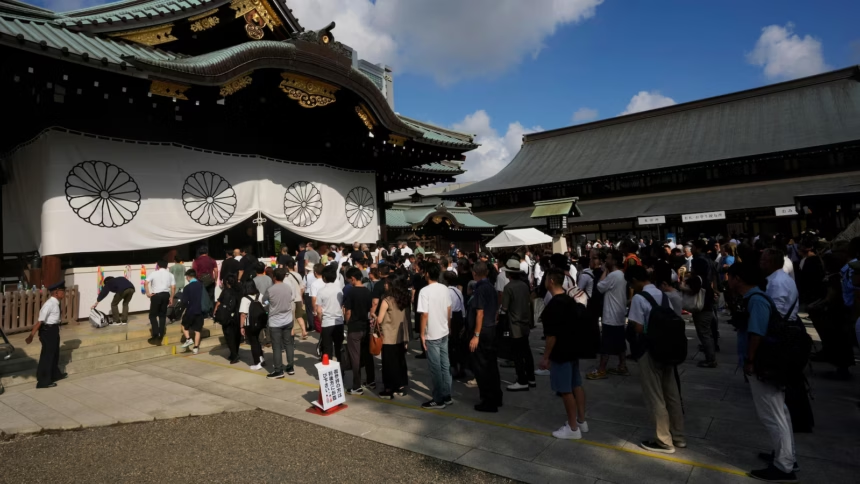
A planned card game meet-up connected to the Pokémon brand was briefly listed at Tokyo’s Yasukuni Shrine, then removed, then canceled after criticism spread online. The incident moved fast, and it put a familiar problem back in the spotlight: how a location choice can carry meanings that a global audience reads very differently.
Below is a quick timeline, plain background on why the shrine is sensitive, what the company’s apology said (as reported), and what to watch next for brands, partners, and fans who rely on official event listings.
What happened: Pokémon canceled a card game event listed at Tokyo Yasukuni Shrine
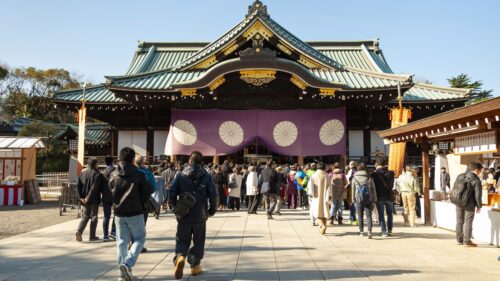
The situation began when an in-person gathering appeared on an official Pokémon event listing, listing Yasukuni Shrine in Tokyo as the venue. The listing drew attention quickly, and criticism followed, especially from audiences outside Japan who view the shrine through a wartime history lens.
After the reaction grew, the event listing was removed. Soon after, the company posted a public statement, and the meet-up was canceled. What’s important is the split between what is confirmed (the listing came down and the event won’t happen) and what news outlets have described as reported context (who planned it and how it ended up on an official page).
One detail reported by multiple outlets is that the gathering was described as a Pokémon Trading Card Game event, but it was not presented as a large corporate tournament. That distinction matters because smaller partner and community events often rely on official directories, even when core planning occurs elsewhere.
What was planned, and who was said to be organizing it
Reporting described the gathering as being planned by individuals, including at least one person connected to the game community through a certification or organized play role. In that account, the meet-up was not announced as a headline corporate showcase, even though it appeared in an official event finder before it was removed.
That creates a common point of confusion for fans and parents. Many people assume an official listing equals full brand sign-off. In practice, some brands allow third-party or community organizers to submit event details that then appear alongside company-run activities, depending on local rules and moderation.
Quick timeline from listing to cancellation
- The event listing appeared online with Yasukuni Shrine shown as the venue (as reported).
- Criticism spread on social platforms and forums, including backlash in China.
- The event listing was taken down.
- A public apology statement was posted by the company on Jan 30 (as reported).
- The meet-up was confirmed as canceled.
- The event was scheduled for early February 2026, as shown in the listing (as reported).
Why the Yasukuni venue matters, and why people were upset
The Yasukuni Shrine controversy is tied to history and memory, not to the day-to-day religious life many visitors experience on site. Yasukuni is a war dead shrine that honors Japan’s war dead. It has also enshrined people who were convicted as war criminals after World War II, which has made it a recurring source of dispute. Because of that, visits and public events connected to the shrine can draw criticism in China and South Korea. For many people in those countries, the site is linked to painful wartime history and national identity. For many people in Japan, views vary widely, and the site’s meaning can be understood differently depending on politics, family history, and personal beliefs. A brand that appears to endorse the venue can be read as making a statement, even if the intent was just to pick an available location.
For a short, neutral background explainer, see Britannica’s Yasukuni Shrine overview.
How history and regional tensions can turn a venue choice into a flashpoint
When a brand is loved across borders, it sits between different versions of the past. One group may see a venue as ordinary, another as symbolic, and a third as provocative. That gap is where trouble starts.
This is also why companies can face brand backlash in Asia even when an event is small, informal, or community-led. The internet compresses distance and context. A single screenshot of a listing can travel faster than any official explanation, and by the time a statement appears, many people have already decided what the venue “means.”
For readers who want a broader look at why the shrine triggers debate, Wikipedia keeps a long-running summary at Controversies surrounding Yasukuni Shrine.
What The Pokémon Company said, and what it changed after the criticism
The Pokémon Company’s apology was posted on Jan 30, according to reporting, after the listing drew criticism. The company said the event “should not have been held in the first place” (as quoted by the BBC). It also acknowledged a lack of understanding about the venue’s sensitivity, and said it removed the listing and moved to cancel the gathering.
Reports also said the statement appeared in multiple languages, including Japanese and Chinese versions, aimed at audiences most engaged in the discussion. The speed mattered. In situations like this, even a short delay can make the company look like it’s waiting to see if the story goes away.
A key practical point is that the company treated the listing itself as a mistake, not just the online reaction to it. That signals the issue was not only public anger, but also internal standards about what should appear under an official directory.
What was confirmed, what was reported, and what is still unclear
Confirmed
- The event listing was removed.
- The company issued a public apology (as reported by major outlets).
- The meet-up was canceled.
Reported
- The event was planned by individuals connected to the organized play community.
- It appeared on an official listing before it was publicly questioned.
- The venue choice was the trigger for criticism outside Japan.
Unclear
- What internal checks failed before the listing went live.
- Whether new rules will change how partner events are screened.
- How the organiser vs official brand approval process will be tightened, and how fast those changes will roll out.
For additional reporting and context from a gaming news outlet, see Kotaku’s report on the apology and listing.
What global brands and fandoms can learn from this moment
This story is not only about one canceled meet-up. It’s about cultural sensitivity for global brands in a world where fandoms cross borders by default. A location is never “just a location” once a brand puts its name next to it.
Here are practical lessons that apply to sports, music, games, and family brands:
- Screen venues like content: treat a venue name as a high-visibility message, not a footnote.
- Do a regional review: consider how a venue reads in nearby countries as well as locally.
- Control who can publish: limit official listings to accounts with clear responsibility.
- Use approval gates: require a second review for sensitive locations or keywords.
- Set partner rules in writing: make it clear what venues are off-limits for official directories.
- Respond quickly, then explain: removal and cancellation can come first; fuller details can follow.
- Use plain language: short statements reduce misunderstandings across languages.
- Correct without shaming fans: focus on the decision and the fix, not the community.
- Track “known sensitive” places: maintain an internal list that is updated regularly.
A simple pre-event checklist for partners, venues, and official listings
A basic checklist can prevent most problems like this:
- Do a quick venue risk scan before posting any listing.
- Ask a local expert if the venue has a sensitive history.
- Review translations so that place names and context are accurate.
- Decide who has permission to publish on official pages.
- Require a clear sign-off step before an event goes live.
- If criticism starts, pause promotion and review facts within hours.
- Post updates in the same place where the event was listed.
- Keep a short record of what changed and why.
Key takeaways you can remember in 30 seconds
- The listing was removed, and the meet-up was canceled soon after.
- The venue choice was the main trigger, not the card game itself.
- The company apologized and said the listing shouldn’t have happened.
- Any official directory can be read as an endorsement, especially at Tokyo Yasukuni Shrine.
FAQ
Why is Yasukuni Shrine controversial?
Yasukuni is a shrine honoring Japan’s war dead. It also includes people convicted as war criminals after World War II, which is why it draws criticism abroad. Views differ across Japan, China, and South Korea because historical memory of the war is not shared in the same way.
Why did Pokémon cancel the Yasukuni Shrine event?
After the venue was noticed, criticism spread online. The company removed the listing and confirmed the meet-up was canceled, and it apologized for a lack of understanding (as reported). Public reaction, especially outside Japan, made the venue choice hard to separate from the brand.
Was the Pokémon event officially organised by the company?
Reporting said it was planned by individuals connected to the organized play community, and that it appeared on an official listing before being removed. That does not necessarily mean the company planned it directly. What is clear is that the company treated the official listing as its responsibility once it was public.
Did Pokémon apologise in Chinese and Japanese?
Reports said the apology appeared in Japanese and Chinese on the company website. That choice suggests the company expected significant attention from audiences in both languages. The goal was likely to reduce misunderstanding and show that the response was not limited to one market.
How do brands avoid cultural backlash in Asia?
They should treat venues and partners as reputational risks, not just logistical ones. That means conducting venue checks, consulting local experts, limiting who can post official listings, and responding quickly and clearly when criticism starts. It also helps to publish consistent updates in the same place fans first saw the event.
Sources
- BBC report on the cancellation and apology
- Kotaku report on the listing and apology
- Britannica background on Yasukuni Shrine
Conclusion
The meet-up was canceled, the listing was removed, and an apology followed within a tight window. The larger lesson is how fast local history can reshape a global brand’s choices, even when the original plan appears small. Watch for any policy updates on how official event directories are managed, how partner listings are approved, and whether the community gets clearer guidance on what “official” really means.