



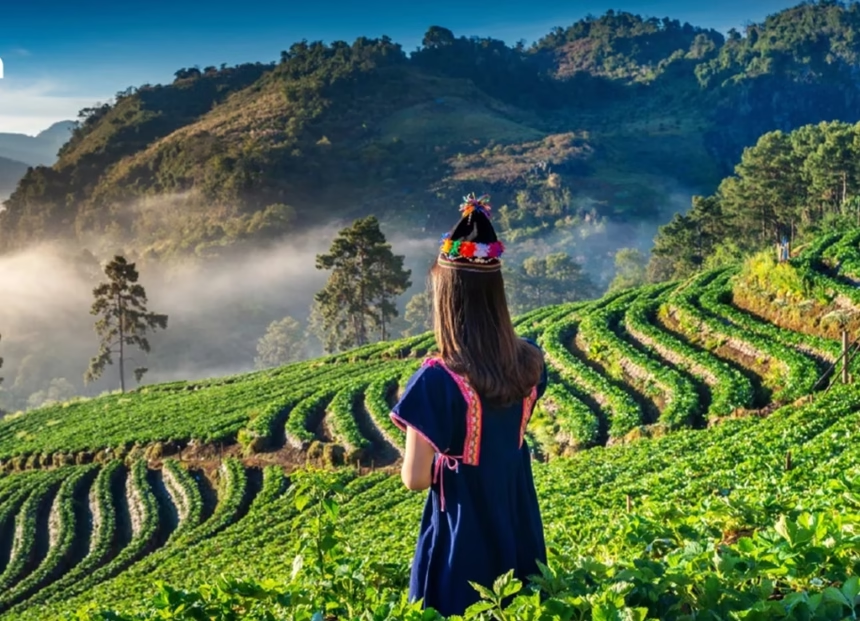
CHIANG RAI – Located at the northern tip of Thailand, Chiang Rai attracts tourists with ancient temples, deep mountains, and a vibrant hill tribe culture. This means it remains one of the best places on earth to get involved in authentic Thai adventures.
For those in search of immersive experiences, websites like ufabet provide a glimpse of local goings-on that add depth to visits to cultural venues. Based on the latest tourist trends, these pages introduce this region’s most interesting pursuits and attractions.
Chiang Rai as Gateway to the Northern Highlands
Chiang Rai serves as a gateway to Thailand’s northern highlands, with its iconic white temples, colourful hill tribes, and many mountain adventure trip on limestone caves. Recently released statistics show that tourism revenue topped four billion baht in 2025, driven by both domestic and international travelers brought by friendly sites.
Focus on wellness, sub-culture events, and eco-tourism.This is the thrust of government policy at the provincial level under strategies of sustainability.
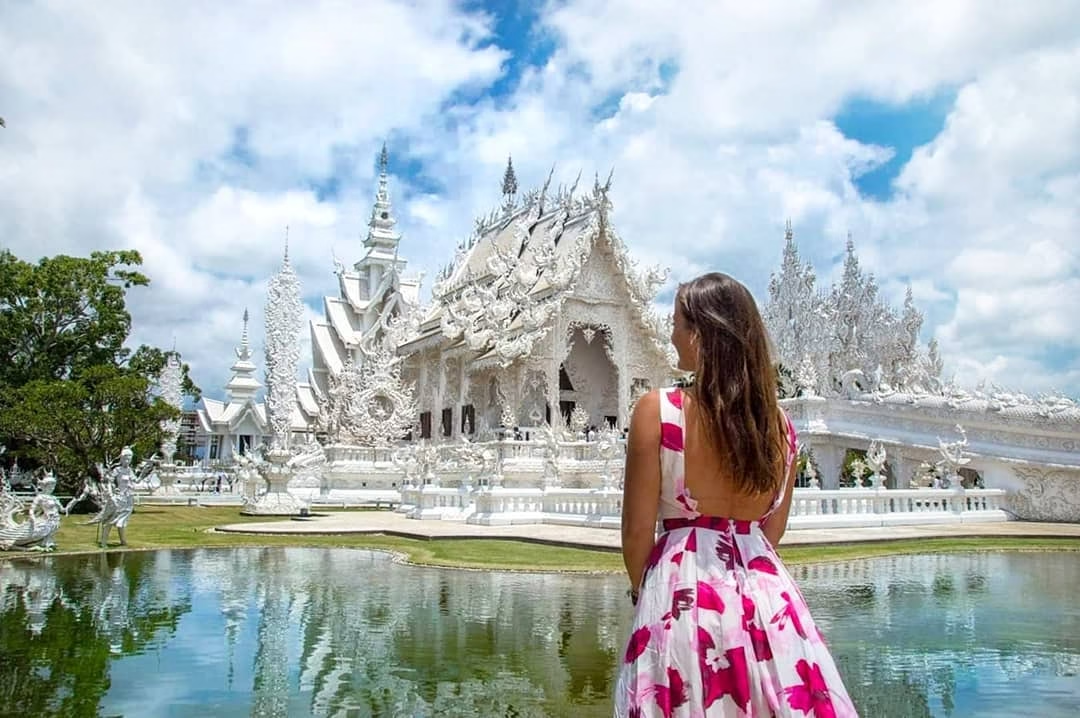
Wat Rong Khun: The White Temple
History and Design of Wat Rong Khun
Wat Rong Khun, which is also known as “The White Temple,” has been the obsession for Thai artist Chalermchai Kositpipat since 1997. Its all-white structure symbolizes the purity of Buddha, and it is decorated with detailed glass mosaics that refract the daylight beautifully. Visitors enter from a bridge above the hands of the damned; the bridge represents escape from hell for those who must walk upon them.
Main Attractions: Murals are painted in the main ubosot. These murals are a blend of traditional Thai art together with modern-day scenes like Superman, representing ancient religious symbols and waves for tsunamis.
The surrounding galleries have paintings and sculptures finished in good versus evil themes.
The adjacent museum displays the artist’s sketches and has a special set of golden toilets as a symbol of impermanence.
What to See
Plan for 1-2 hours; the entry fee for foreigners is 50 baht. Early morning is the best time of day to visit Wat Rong Khun in order to avoid crowds, and dressing modestly is asked: no shorts or sleeveless shirts. Photography inside the main hall is forbidden, for the sake of peace.
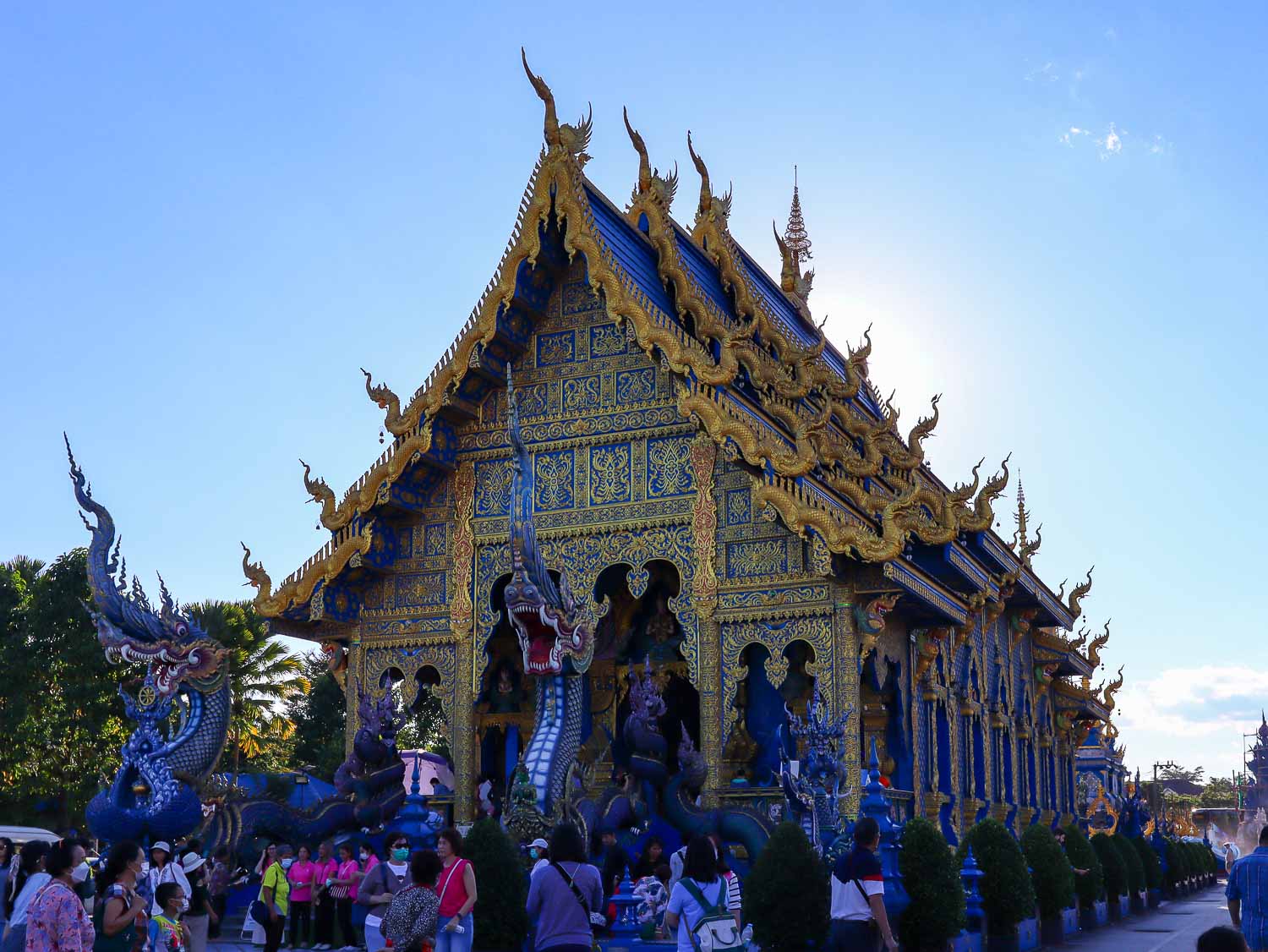
Wat Rong Suea Ten: Blue Temple Marvel
Architectural Highlights
The Blue Temple, also known as Wat Rong Suea Ten, is significantly different from its neighbor in its bright-blue color scheme based on Nagas and Rattanakosin era decorative features. It was built in 2013 by artist Phra Ajarn Thawatchai to reflect the local Lanna culture that he belongs to, which the facility welcomes you into with open arms. The golden Naga balcony offers views of the Mae Kok River.
Must-See Elements
The main Buddha statue stands out in gold against vividly decorated blue walls that depict demons and gods.
The approximately 1,000 round paintings on the interior walls illustrating the Jataka Tales are painted in various colours and adorned with free-floating texts incorporating small images and Chinese characters.
Such sights as outdoor chedis and dragon statues add to the mythical setting and make it an excellent locale to take pictures or visit with friends!
Practical Advice
The admission price is 20 baht. Why not take a four-hour architectural tour including Wat Rongkhun?
You can reach it on long-tailed boats from the nearby piers.
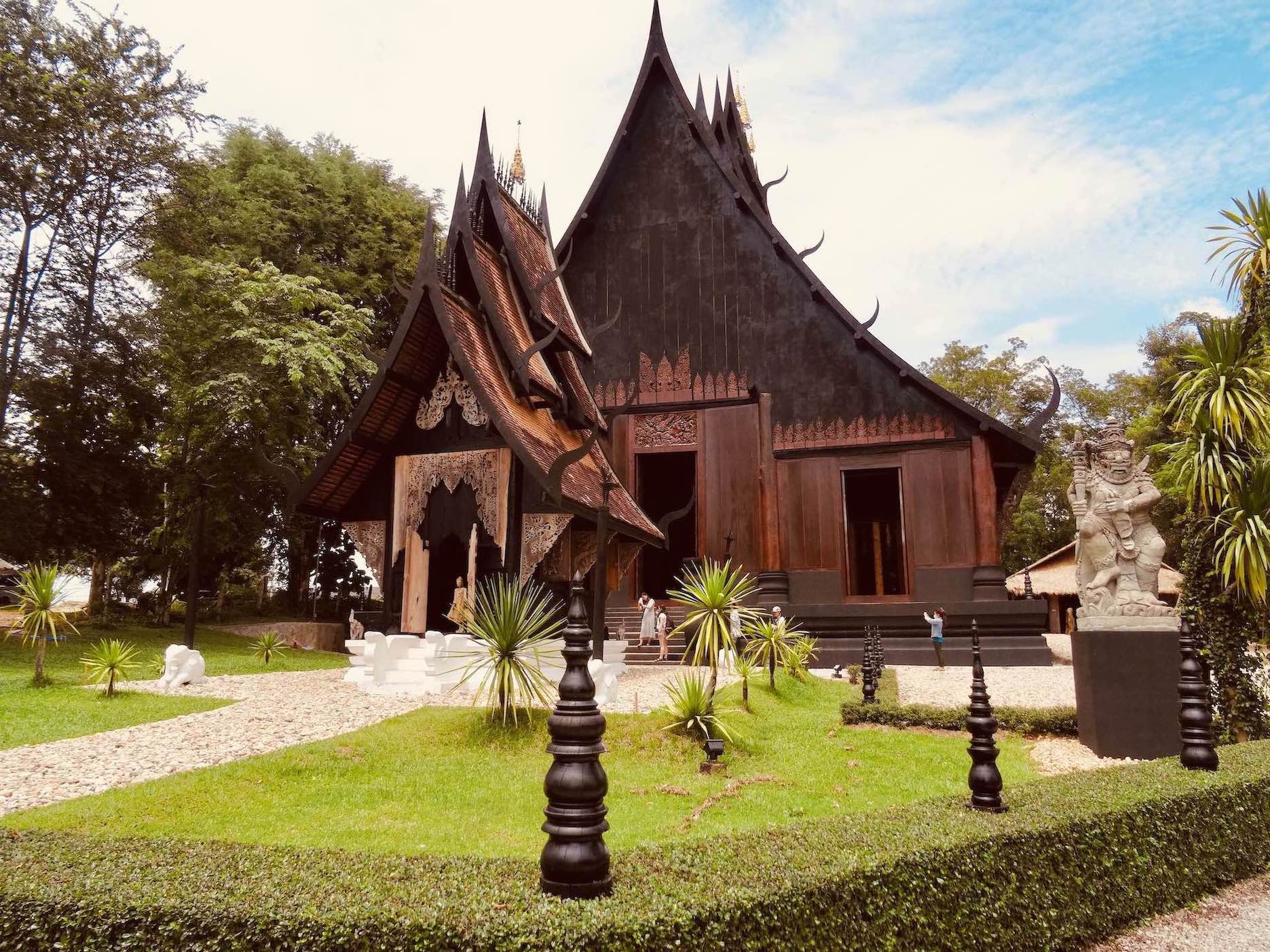
Baan Dam Museum: Black House Enigma
Creator’s Vision
The late artist Thawan Duchanee, considered a master craftsman of his art, made Baan Dam Art Installation Kyle a living gallery. Made up of more than 40 black-lined buildings representing his homage to various cultures of different peoples around the world after his death in 2014, this art park incorporated features from a man’s wild civilization. Themes explored through life’s cycles include representation with animal skins and bones.
Notable Exhibits
Totem-style houses that incorporate carved buffalo skulls, crocodile skins, and gargantuan canvases.
Amidst ponds in the park, sculptures of an extremely intangible nature are displayed in the pure white pavilion.
Delicate objects brought from the artist’s travels around the world are packed into pavilions like miniature palaces.
Exploration Guide
Entry costs 80 baht for the grounds; wear comfy shoes to cope with the uneven paths. The mood of Baan Dam deepens as the sun goes down.
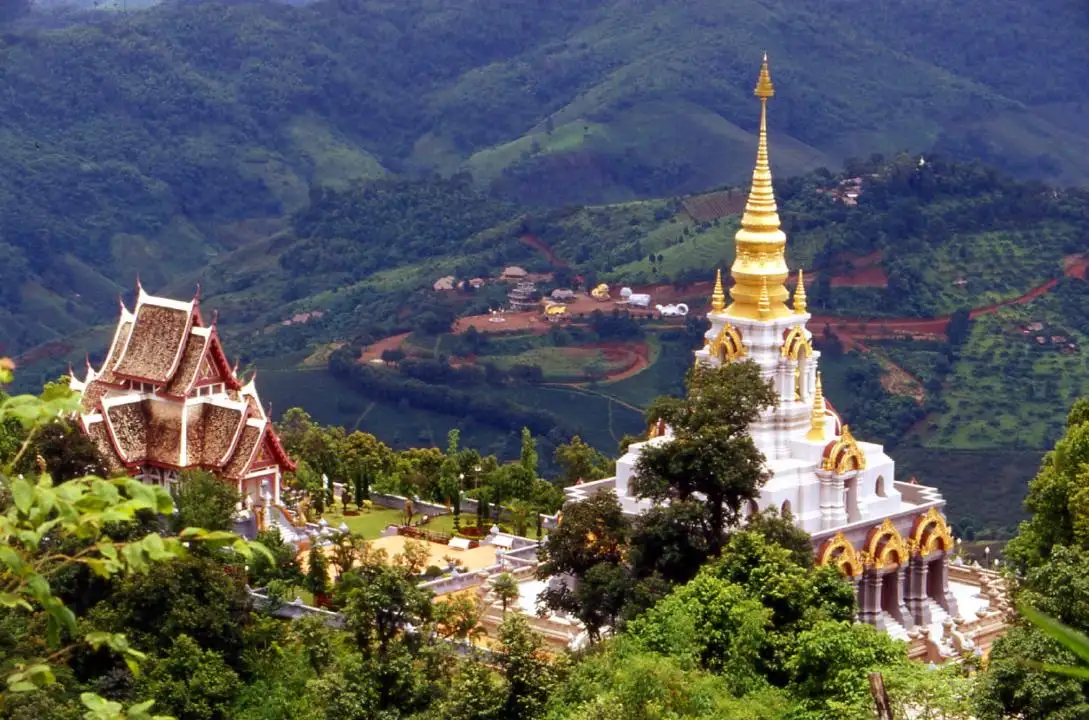
Doi Mae Salong: Tea Hills and Yunnanese Legacy
Cultural Blend
From Doi Mae Salong at an elevation of 1,000 meters, the local population is descended of Chinese Kuomintang soldiers who settled hereafter 1949. These day,s it is a center of highland tribes, whose late harvest oolong tea rivals that of Taiwan in terms of quality. There are villages where Akha cultures combine with China, and markets selling pu’er tea.
Top Activities
You can tour tea estates like Choui Fong here, partaking in picking and tasting trips.
Trek to hilltop viewpoints above misty valleys, fields of strawberry,es and wet rice paddies.
Taste KMT-style dishes like tea eggs and noodle soups at hillside cafes.
Travel Essentials
There are songthaew which go to and from Mae Chan; stay overnight for the morning market. In winter (Nov-Feb), cool weather suited the tea harvest.
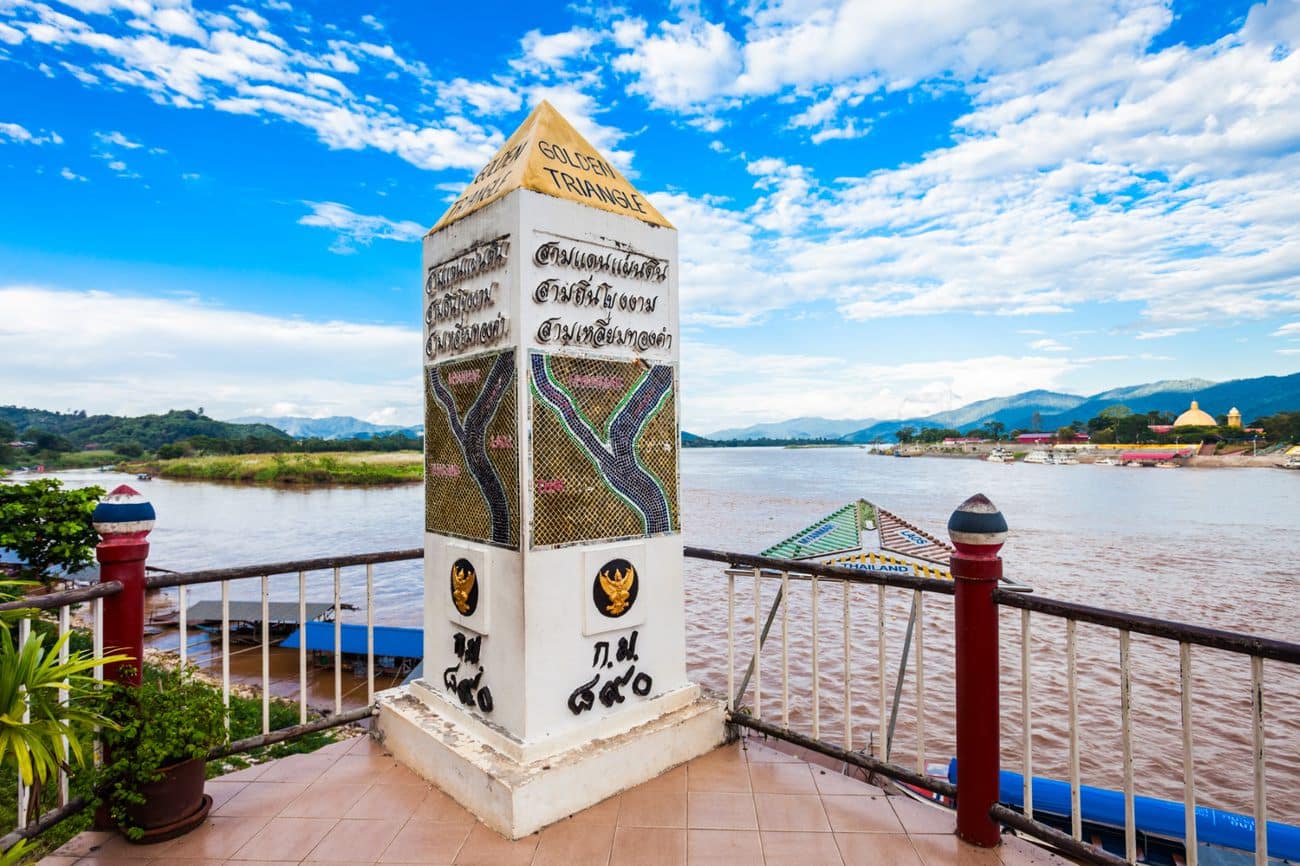 Golden Triangle: Where the Mekong and Ruak Rivers meet
Historical Significance
The Golden Triangle is where the borders of Thailand, Laos, and Burma meet. Once a major centre for the opium trade, today it is high viewpoints, gambling casino,s and boat trips. The Opium Museum charts how histories have become tourist venues.
Highlights for Travelers
Panoramic decks displaying flags of three nations overlook river cruises to Laos.
Hall of Opium displays opium relics and modern anti-drug initiatives.
Nearby tribal ethnic villages feature Karen long-neck women.
Best Practices
Boat tours cost 800 baht/hour; clear views are best found mid-morning.
Mae Sai border town, can be combined with daytime outings.
Night Bazaar of Chiang Rai: Exploding with Flavor
Vibrant Atmosphere
The Night Bazaar is filled with street food, souvenirs, and live music every night from 6 PM. Located around the tightly packed lane near the clock tower, this area attracts both locals and tourists alike, who all go for some of Lanna’s favorites. Stalls ply their trade in silk scarves and hill tribe jewelry; grilled meats are also available.
Recommended Dishes
Sai ua (northern sausage) and khao soi (curry soup) are absolute musts.
Fresh mango and sweet rice or papaya salad from street-side vendors.
…For adventurous palates, there are also insect snacks or frog’s legs.
Shopping Tips
Bargain politely; although ATMs are plentiful, pickpockets can be a problem. Weekends usually have more entertainment.
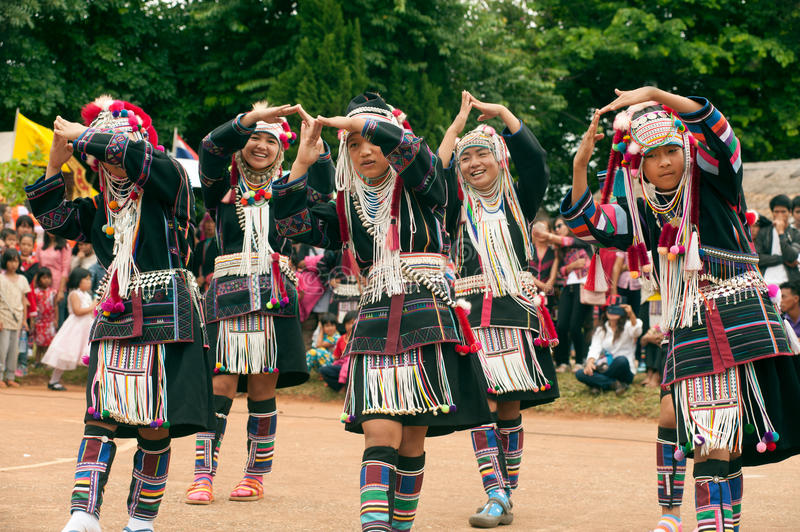
Hill Tribe Villages: Authentic Encounters
Diverse Communities
In Chiang Rai, one can come across the Karen, Akha, Lahu, and Yao tribes. Tourists visit the hamlets to see wondrous sights such as those found in Long Neck Karen Village and help weavers by buying their produce. Current endeavours to develop sustainable homestays instead of exploitative side shows.
Immersive Experiences
In Akha settlements, discover how to make a batik and then improve your sewing techniques.
Take a trek up to see the Lahu plantations of native coffee trees.
Some Thoughts on Overnights
What guests discover when they spend the night with an indigenous group in their village.
Responsible Tourism
Use TAT-approved agents; avoid elephant shows. Profits go towards school buses and medicines.
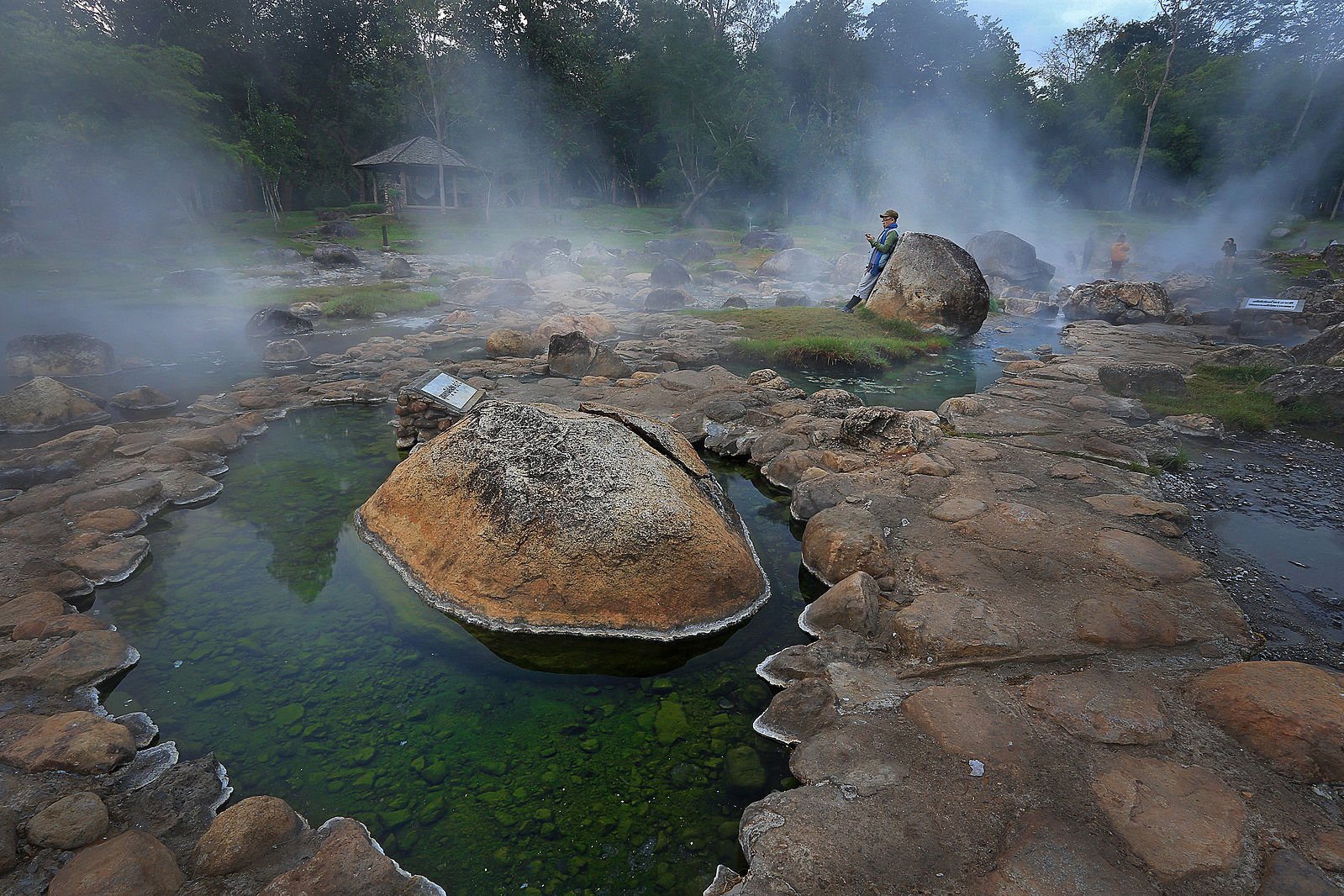
Hot Springs and Waterfalls: Nature Escapes
A Natural Spa
The Mae Kachan Hot Springs bubble from the ground, offering egg-boiling pools and bathing creeks embosomed in woods. Nearby falls like Huai Krai tumble down fresh. Good venue for a picnic.
Adventure Options
Soak in gender-segregated pools (50 baht entry).
Take hikes to spots where you can swim.
Seasonal Notes
Wet season [(Jun-Oct)] sees the waterfalls at their best, though road conditions can be unreliable. Bring your own towels and mosquito repellent.
Practical Travel Tips
Transportation
Rent motor scooters (a prevailing rate is 200 baht/day) or join in with the songthaews. It’s annoying to catch a taxi via app software. Chiang Rai Airport offers flights all over Thailand.
The Very Best Time to Visit
November until February provides moderate, dry weather; March and April are hot.
Budget Breakdown
Day-to-day expenses: 1,500-3,000 baht per head for meals, attractions, and sleepovers. A bed in a dormitory costs 300 baht, while mid-range hotels typically go at 1,500 baht.
Safety and Etiquette
Carry your passport when going through the few checkpoints; observe temple conventions. Monsoon roads are slippery–drive cautiously.
Chiang Rai combines tranquility and excitement, with a tour of 3-5 days extending to Chiang Mai.
Trending News:
Chiang Rai Tourism Sector Struggles to Be More than a One Stop Destination