



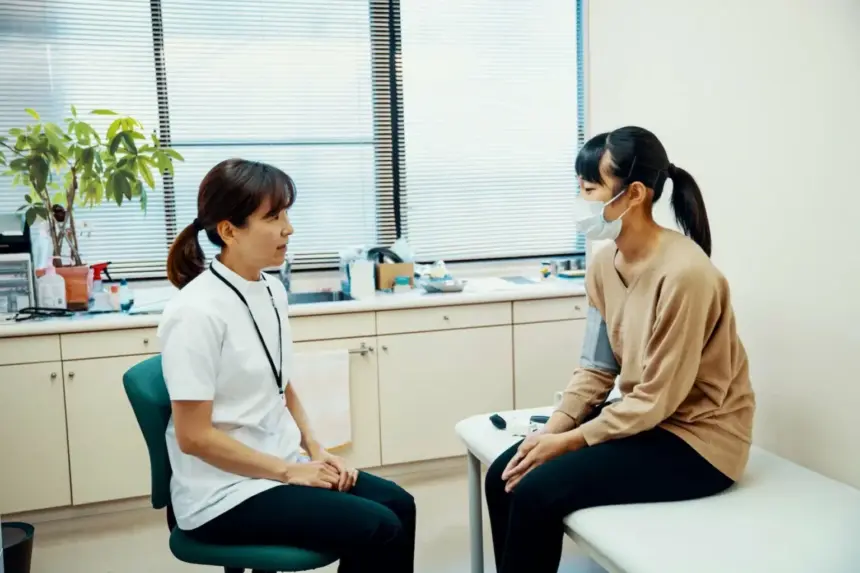
TOKYO, Japan – In a calm side street near Yokohama, Kanagawa Prefecture, near Tokyo’s busy medical area, a quiet change is taking shape. Youth clinics, low-cost consultation services for young people with sexual and body health worries, are starting to appear in more places across Japan.
They give teenagers and young adults somewhere they can speak openly about things that often stay unspoken, such as painful periods, worries about contraception, and anxiety about sexual feelings.
Youth clinics began in Sweden in the 1970s. The idea was simple: give young people easy access to sexual health advice in a place that feels safe and free from judgment. In Japan, the model has spread more in recent years. Around 60 clinics were operating nationwide by fiscal 2022.
Most clinics focus on people aged 25 and under. Sessions are free or cost very little, often about 500 yen. Many clinics also remove common barriers. Visitors may not need a health insurance card, and they can attend without a parent.
Dr Shoko Kizaki, a 45-year-old obstetrician and gynaecologist, opened a clinic in Yokohama in October 2021. She says she wanted women’s health services to feel easier to reach, and for people to feel comfortable asking questions from a young age.
Her youth clinic appointments last about 30 minutes. Nurses and midwives help run the sessions, and the visitors range from junior high pupils to people in their early 20s.
Awareness is still limited, but more young people are seeking support. Some even travel from outside their prefecture to get advice. That points to a wider problem: many people find sexual health hard to raise in standard medical settings, or worry about being judged.
Most Youth Clinic visitors Are Young Women
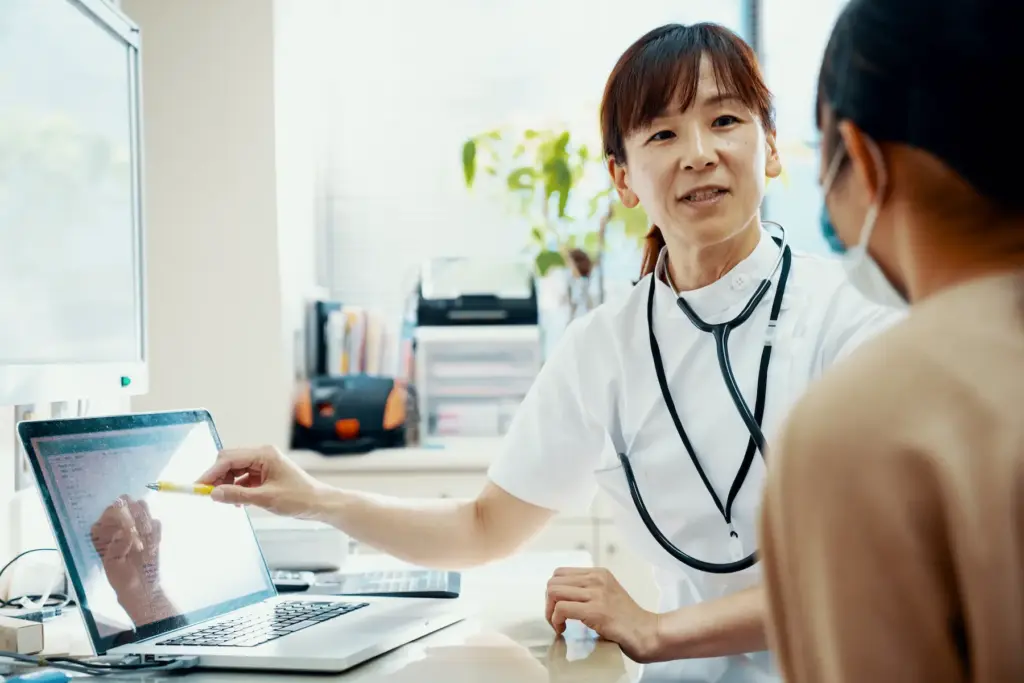
One clear trend shows up at many youth clinics: most visitors are female. Many come to talk about menstruation and premenstrual syndrome (PMS). These issues affect many young women, but they are often brushed off or treated as something to just put up with.
Common worries include irregular periods, strong cramps, mood changes, bloating, and feeling low or overwhelmed before a period starts. Staff say these symptoms can affect school, part-time work, and everyday routines. Still, many young people don’t ask for help because they feel embarrassed, or they don’t know what’s normal.
A midwife at Dr Kizaki’s clinic explains that PMS is not simply “being moody”. It can include real pain and serious emotional strain. When symptoms suggest something more severe, such as heavy irregular bleeding or extreme pain, staff advise follow-up with a gynaecologist for checks and treatment.
Contraception is another common topic. Many young women ask how to prevent pregnancy, and they often feel unsure about the options, such as the pill, condoms, and emergency methods. Japan’s teenage pregnancy rate is low, which is encouraging. Still, health workers worry that gaps in sex education leave many people without clear, practical knowledge.
Some visitors also speak about strong sexual desire and the worry that comes with it. In a culture where libido, especially among women, is still hard to discuss, those talks show why a judgment-free space matters.
The main service these clinics offer is time and calm attention. Nurses and midwives listen closely and respond without blame or pressure. They share clear, evidence-based information in a way that feels manageable. Dr Kizaki says the goal is for young people to come in without carrying worries alone or feeling nervous about being judged.
When it fits the situation, staff recommend testing for sexually transmitted infections (STIs). With syphilis cases rising among young people, and ongoing reports of chlamydia and gonorrhoea, this advice can make a real difference. Clinics stress privacy, and they remind visitors that early testing helps prevent long-term health problems.
This support also links to limits in Japan’s wider approach to sex education. Basic topics like puberty and menstruation may start in primary school. But topics such as intercourse and consent often come later, or are not covered in enough depth. Critics say this can leave young people to pick up information from social media, rumours, or pressure from friends.
Wider Access and Calls to Grow the Service
Even with growing demand, youth clinics still face practical limits. Many run only part-time, or sit inside existing obstetrics and gynaecology practices. That can make it hard for young people to book a time, or even find the service in the first place. Public funding is limited, and stigma remains. Some parents and schools don’t know these clinics exist, or feel unsure about them.
Groups such as Sowledge, which supports youth clinics, are calling for policy support so services can run more steadily. A spokesperson says children need a dependable place where they can ask about sex and health without fear.
Experts linked to the Japan Association for Sex Education also point to bigger needs, stronger school lessons, easier access to contraception (including emergency pills), and a wider network of dedicated youth sexual health services.
In large cities like Tokyo and Yokohama, private clinics help fill some gaps. Some offer English-language support and later opening hours. In rural areas, choices are fewer, and that can leave young people feeling isolated.
As Japan faces a falling birth rate, an ageing population, and changing social views, youth clinics offer a grounded and useful form of support. They help young people understand their bodies, lower the risk of unintended pregnancy and STIs, and reduce stress that can build when worries are kept secret.
One visitor, a 19-year-old university student who asked to stay anonymous, said she had been scared to talk about severe period pain. At the clinic, the staff explained PMS and possible options without making her feel judged. Stories like this show what these clinics can offer: steady help, clear facts, and a place where young people feel heard.
As more people learn about them through media reports and public discussion, youth clinics may become a familiar part of preventive healthcare. For now, they are giving young people something many have lacked: a safe space to talk about sexual health in Japan.