



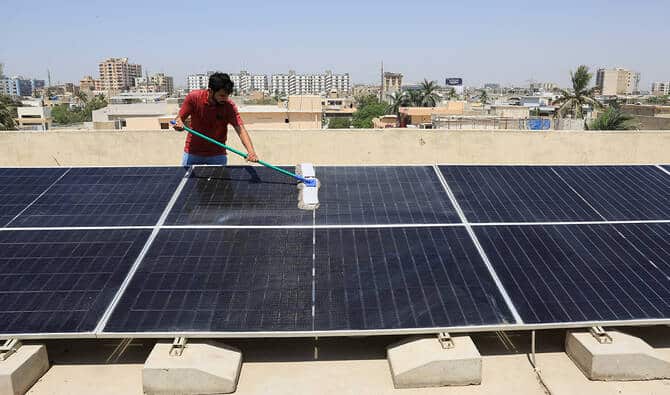
A rooftop solar system used to feel like a simple swap: generate power, export excess to the grid, and watch the bill shrink. Now, the conversation is changing. Pakistan net billing for rooftop solar is being discussed as a replacement for the one-for-one style offset many households know from net metering, and NEPRA is at the center of the proposed update.
In plain terms, the change would mean exported solar units may no longer cancel imported units at the same value. Instead, exports could be paid as a credit at a separate rate, which can change savings and payback time.
Nothing is final yet. Draft rules, public consultation, and a hearing process still matter. Reports suggest existing users may be treated differently than new applicants, but final handling depends on what gets notified and implemented.
Net metering vs net billing in Pakistan, explained with a simple example
Net metering: the grid counts your exported solar units as the same as imported units, so they cancel each other out on the bill.
Net billing: the grid purchases your excess solar units at a fixed credit rate, but it still charges you for imported units at the standard retail tariff.
Here’s a simple example using “import units” and “export units.”
A home uses 600 units in a month. Its solar system produces well during the day.
- Import units (from grid at night and early morning): 300 units
- Export units (sent to grid during sunny hours): 300 units
Under classic net metering, the 300 export units can offset the 300 import units on a one-for-one basis. The energy portion of the bill can drop near zero (you may still see fixed charges, taxes, and other adjustments).
Under net billing, the same 300 export units might receive a credit at the buyback rate, while the 300 import units remain billed at the retail tariff. Since retail tariffs and export credits are not the same, the bill can remain noticeable even when imports and exports appear to match on paper.
That difference is the whole story behind net metering vs net billing in Pakistan, and it’s why many households are re-checking their solar math.
Why do your savings change when export credits are lower than your retail rate
Two behaviors matter more than panel brand names: self-consumption and surplus export.
Self-consumption means using solar power the moment it’s generated, like running fans, refrigerators, office equipment, or pumping water during the day. Surplus export is what’s left over when the house is already “full” of usage and the extra goes out to the grid.
With a one-for-one offset, exporting surplus didn’t feel risky because it could be offset by later imports. With billing credits, surplus becomes more like selling a crop at market price, which may be lower than the cost of buying food later.
That shifts the best household strategy toward using more electricity during daylight hours where possible and sizing the system closer to actual needs rather than aiming for large exports.
What NEPRA Prosumer Regulations 2025 propose (what we know vs what is still draft)
NEPRA has published a document titled NEPRA Prosumer Regulations (PDF). As of January 2026, the direction outlined in that document is being discussed publicly, and media coverage indicates a shift toward a net billing framework for new rooftop solar connections, pending completion of consultation steps and the finalization of implementation details.
In the draft direction (based on the posted regulations and how they are being discussed publicly):
- A move away from one-for-one offset toward billing adjustment credits for exported units.
- Updated rules around interconnection, agreements, and metering to match the new settlement approach.
- Limits system size to the customer’s sanctioned or approved load, with an overall cap of up to 1 MW for eligible prosumers (this is well above most homes’ load, but it sets the boundary).
Confirmed by notification: As of late January 2026, many homeowners are still awaiting clarity on what will be enforced immediately and what will take effect after hearings, DISCO procedures, and final notices. If a household is making a purchase decision, it’s safer to treat operational details (credit rollover, settlement timing, and transition handling) as not fully locked until formal implementation notes are issued.
Regarding contract length, older net metering arrangements are widely understood to run on multi-year terms, and reports on the new framework often cite shorter terms (commonly five years versus seven years under older arrangements). The practical takeaway is simple: the agreement term matters because it determines how long a household remains under a given settlement method before renewal or migration.
Key terms to recognize on your paperwork (in plain English)
- Sanctioned load / approved load: the official load limit approved for your connection; it can affect how big a solar system you’re allowed to connect.
- Interconnection agreement: the contract that says how your solar connects to the grid and how units and credits are settled.
- Bidirectional meter: a meter that records both import and export units.
- Billing credit: the value you get for exported units under the new settlement method, applied against charges.
- Meter reading cycle: the monthly window that decides what counts in this bill versus the next.
- Distribution company (DISCO): the utility responsible for your area’s billing, metering, and connection process.
What the buyback rate could look like, and why it shows up on every payback sheet
Two numbers decide most rooftop outcomes:
- Retail tariff: what you pay per imported unit from the grid.
- Buyback rate: the amount you are paid per exported unit.
Think of it like a currency exchange. If you “sell” units at one price and “buy” units later at a higher price, equal units don’t mean equal money.
This is why the rooftop solar buyback rate in Pakistan matters more than a small drop in panel prices. A cheaper inverter helps once, but a lower export credit hits the bill every month.
So what might the export credit be? Coverage has been mixed, and that’s the point. Reports cite Rs11.30 per unit, while others quote around Rs13 for exported energy, often described as the national average energy purchase price.
These figures are widely reported but still depend on the final method and notification. For context on the reported policy direction and rate talk, see PV Magazine’s summary of the proposed rules and Express Tribune’s reporting and reactions.
A quick way to estimate your monthly impact without a calculator headache
A full spreadsheet helps, but a fast estimate can still guide decisions.
- Find a daytime usage estimate: review habits; is anyone home from 10 a.m. to 4 p.m.? If not, daytime use may be low.
- Estimate surplus exports: if the system is sized for high midday output and the house is empty, surplus can be large.
- Price imports and exports differently: multiply imports by the retail rate shown on your bill, and multiply exports by a buyback range (for example Rs11 to Rs13), then compare.
Use rounded numbers. Don’t try to be perfect on day one. Also remember fuel adjustments, taxes, and fixed charges can change the final payable amount even if units look favorable.
Who is affected, and what to check if you already have solar
The impact depends on where a household sits in the timeline.
New applicants are most exposed to rule changes because their interconnection agreement will be signed under the applicable framework when the file is processed.
Pending applications sit in the gray zone. If the paperwork is incomplete, a household may face new requirements. If approvals and commissioning are already underway, treatment may differ from the DISCO process notes.
Existing prosumers care about “grandfathering,” meaning keeping the old settlement method for the rest of the current contract term. Public reporting often suggests existing agreements may continue until their term ends and then shift at renewal, but households should confirm what their agreement states and watch for official implementation steps. This is where the solar net metering policy in Pakistan becomes more than a headline, because contract dates and clauses decide real money.
A short checklist of documents to pull out:
- Latest bill pages that show import and export units
- Interconnection agreement date and term
- Net meter commissioning date
- Sanctioned load approval letter
- Any DISCO emails, letters, or SMS updates about processing or billing
If your DISCO is delaying credits, what you can document and how to escalate
Billing issues can happen even before policy changes. If credits don’t appear, or units look incorrect, documentation is more persuasive than arguments. This also applies for anyone stuck in a DISCO net metering application Pakistan queue.
Practical steps to stay calm and factual:
- Take clear photos of the meter on reading day (show date if possible).
- Keep PDFs or screenshots of every bill.
- Track imported and exported units in a simple sheet (date, import, export, billed amount).
- Submit a written complaint by email or the official channel, attach photos and the last bill.
- Ask for a written timeline for correction.
- Record complaint numbers and dates, and follow up using the same thread.
How this may change rooftop solar payback in Pakistan (realistic scenarios)
Payback is simple: it’s the time required to recoup the system cost through bill savings. Under the proposed billing approach, savings depend less on how much you export and more on how much you use during the day. That’s why the rooftop solar payback period in Pakistan can widen into a range instead of a tidy promise.
Here are two realistic scenarios, using plain assumptions and ranges rather than a single “magic” number.
Scenario 1: A home that exports a lot (daytime empty house)
If most generation becomes surplus, the household sells many units at the buyback rate and buys back power at the retail tariff at night. In that setup, payback can lengthen materially, especially if the system was sized to maximize exports. The more surplus, the more the household feels the gap between export credit and retail price.
Scenario 2: A small business with daytime use (shop, clinic, school office)
A business that operates fans, lights, computers, refrigeration, and other equipment during daylight hours may consume a larger share of the solar output directly. That can soften the impact because the best unit is the one you never have to buy from the grid.
What tends to shorten payback under billing credits: higher self-consumption, a right-sized system, shifting loads to daytime, and using batteries only when night usage is high and the budget supports it.
Pros and cons box, so you can decide calmly
Pros
- Clearer export pricing: exported energy is priced as a distinct line item.
- Less pressure on fixed grid costs: it can reduce cost shifting in simple terms, because exports don’t erase all charges.
- Better self-use habits: it encourages smarter daytime usage.
Cons
- Lower export value: savings can drop for high-export homes.
- More planning needed: sizing and usage patterns matter more.
- Transition uncertainty: rules and procedures can shift during rollout.
What rooftop solar owners can do now (practical checklist)
- Review the last 12 months of bills and note monthly units and seasonal spikes.
- Estimate how much electricity is used in the daytime versus at night.
- Right-size the system to match load, not a best-case export plan.
- Avoid oversizing just to send surplus to the grid.
- Confirm the sanctioned or approved load on the connection and whether it needs an update.
- Check the interconnection agreement term and renewal conditions.
- Ask the installer for a quote that includes a net-billing scenario, not just net metering.
- Shift heavy loads to daytime work (ironing, pumping, cooling, washing) where possible.
- Consider a battery only if nighttime use is high and the budget allows it, and confirm the warranty and replacement cost.
- Plan for inspections, meter swaps, and the paperwork timeline.
- Track application status in writing, keep emails, SMS, and complaint numbers.
- Monitor NEPRA updates and any announced hearing outcomes before making final assumptions.
This is not financial or legal advice. Rules can change.
FAQ: Clear answers to the questions people are asking right now
Is Pakistan ending net metering for new solar users?
Draft regulations and media reporting indicate a shift toward new connections, but final implementation depends on approvals, notifications, and DISCO procedures. The safest approach is to verify through official notices and written guidance from the local utility.
Will existing net metering users be grandfathered in Pakistan?
“Grandfathered” usually means keeping current terms until the contract ends. Reporting on the draft indicates that existing agreements may continue for their agreed term, but changes may apply at renewal, at upgrade, or when signing a new agreement. Households should check their contract dates and clauses.
What is the NEPRA net billing buyback rate?
Reports commonly cite a range of Rs11 to Rs13 per unit for exported units, depending on the method used and its application. Planning should use ranges, not a single number, because the rate and review mechanism can change over time.
Should I install solar before net billing starts in Pakistan?
Some households may prefer moving earlier to lock in known terms, while others may wait for clearer rules. The decision depends on bill size, daytime use, cash flow, and whether the system will export a lot. A written quote that models both settlement methods can reduce surprises.
What happens if my DISCO delays credits?
Document meter readings, keep bills, and submit written complaints with evidence. Ask for a timeline and keep complaint numbers. If the bill stays incorrect, escalate through the utility’s complaint path with a clear record.
Does system size matter under the new rules?
Yes. A system that is oversized for your daytime use may export more surplus at a lower credit rate. A right-sized system often performs better financially because it offsets higher-priced imports with in-house use.
Does adding a battery help under the new system?
A battery can reduce self-consumption by storing daytime solar energy for evening use, which matters more when export credits are low. The downside is cost, installer quality, and future battery replacement. It’s usually a second-step decision after system sizing and load shifting.
Sources and further reading
- NEPRA Prosumer Regulations (PDF): Official regulations text published for public view.
- PV Magazine report on proposed changes: Industry summary of the consultation and reported export rate direction.
- Express Tribune coverage of the policy debate: Mainstream reporting on the proposed shift and public response.
Conclusion
Pakistan’s rooftop solar settlement model is shifting from one-for-one unit offsets to paid export credits, which can affect bills even when import and export units appear balanced. The most important detail is that much of the framework remains in draft and under consultation, so assumptions should remain flexible until official notifications and utility procedures are finalized. New applicants, homes that export a large share of output, and existing users nearing contract end should watch the details closely. Near-term actions are practical: confirm documents, right-size systems, increase daytime usage, and track official updates. Solar can still reduce costs, but the math may look different under the updated settlement approach.
SEE ALSO: Pakistan Tightens Border Checks After Nipah Virus Cases in India