


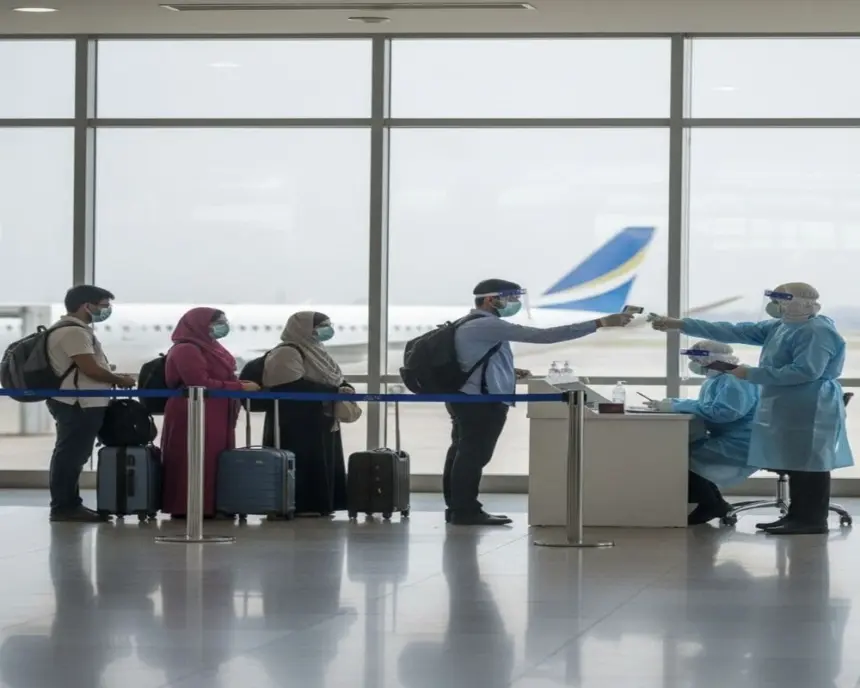
Two Nipah virus cases confirmed in India’s West Bengal have prompted several countries to reassess their border readiness. Pakistan has responded by ordering stricter health surveillance at points of entry, with a focus on early detection and quick isolation when needed.
A Jan 28, 2026 advisory set the tone: increased screening at airports, seaports, and land crossings, even though officials have said no case has been reported in Pakistan so far as of that advisory. For families planning trips and workers flying for jobs, the message is calm but clear: extra checks can lower risk, but they can also add time at terminals and crossings. That’s why Pakistan airport screening Nipah virus news matters for anyone traveling soon.
What Pakistan has ordered at airports, seaports, and land borders
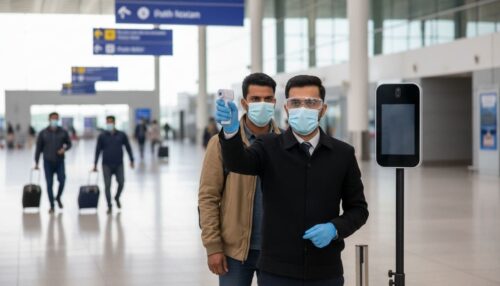
Pakistan’s border health services have been told to tighten monitoring across all major entry routes, not just international airports. The order covers international airports, seaports, and land border crossings, aiming to detect illness early before a sick traveler mixes with crowds or continues onward to another city.
The approach is built on simple public health logic: screening does not prevent every case, but it can detect obvious illness, prompt isolation, and enable faster contact tracing. That time advantage can matter with diseases that worsen quickly.
Reports on regional responses indicate similar steps across Asia following the West Bengal cases, including airport checks in multiple countries. For a wider regional snapshot, see BBC reporting on Asia airport screenings. Pakistan’s plan follows the same general idea: increased vigilance without shutting borders.
Who gets checked and why the 100% screening rule matters
The advisory calls for 100% screening, which means checks are not limited to passengers who “look sick.” Screening is meant to cover:
Incoming passengers, transit travelers, flight and cabin crew, drivers at land crossings, and support staff who work around arriving travelers and cargo.
In plain terms, “health clearance” can include being asked about symptoms, travel history, and contact details, and passing on-site screening. Travelers should expect longer queues, short questions at counters, and possible follow-up checks, especially on routes linked to higher-risk areas or recent alerts.
What border health teams look for during screening
Most entry screening starts with thermal screening at airports (and similar checks at other points), which is a quick temperature scan. After that, staff may ask about symptoms and recent travel.
Teams are monitoring for signs consistent with early Nipah virus symptoms, including fever and respiratory problems, as well as neurological warning signs. Common red flags include fever, respiratory symptoms (cough, shortness of breath), and signs of confusion or altered consciousness.
It’s important to keep expectations realistic. Screening is not a full diagnosis. Think of it like a security metal detector. It doesn’t prove what’s inside the bag, but it flags a risk so trained staff can check further.
What happens if a traveler looks like a suspected Nipah case
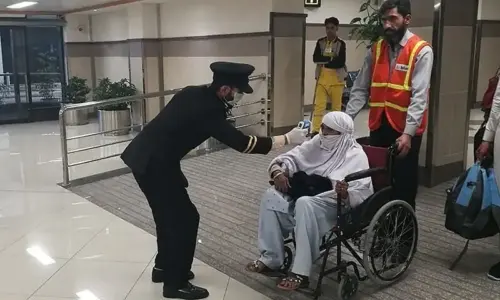
If a traveler appears ill or meets the suspected case criteria, the process is designed to reduce exposure to others. The first step is immediate separation at the point of entry. That can mean moving the person to a designated area for assessment and preventing onward movement until a health team decides the next step.
Officials may apply infection prevention and control measures on-site. They can also arrange referral to designated isolation facilities or tertiary hospitals for further evaluation and care. The focus is safety, not blame.
Transport-linked steps matter too. If a suspected case was transported by vehicle, aircraft, or vessel, the advisory calls for disinfection under SOPs to reduce risk to staff and subsequent travelers.
Border teams are also expected to submit daily case reports or nil reports to national authorities, enabling decision-makers to track signals early rather than waiting for rumors.
Pakistan is not the only country that uses the “detect early, isolate fast” approach to address rare infectious threats. Past regional reporting has shown similar playbooks for other diseases, such as China confirming a rare human H10N3 bird flu case, where monitoring and contact follow-up were key parts of the response.
Isolation protocol and referral, what travelers should expect
Isolation protects other passengers and staff. If someone is isolated, health workers may collect basic information: symptoms, where the person has been, seat numbers or travel documents, and contact details for follow-up.
Cooperation helps speed up the process. It can also protect companions traveling together, since officials may advise them on monitoring and when to seek care. Messaging matters here: suspected illness is not proof of infection, and no one should be stigmatized for being screened.
Why do officials ask for a full 21-day travel and transit history
The advisory emphasizes checking the last 21 days of travel and transit. This is tied to the incubation period (Nipah), meaning symptoms may appear days after exposure, not always immediately upon arrival.
That’s why officials verify recent routes regardless of nationality. They pay closer attention to travelers arriving from or passing through areas linked to current alerts. Keeping an itinerary saved on a phone, in an email, or on paper can help answer questions quickly if screening staff ask.
Nipah virus basics, how it spreads, symptoms, and why countries take it seriously
Nipah is a zoonotic virus linked to fruit bats, and it can also infect animals such as pigs. In humans, it can cause severe respiratory illness and encephalitis (brain inflammation). Global health agencies consider it a serious threat because outbreaks can be difficult to control once cases spread within families or healthcare settings.
The World Health Organization classifies Nipah as a priority concern due to its potential for outbreaks and severity. A clear background is available in the WHO Nipah virus infection overview. Past outbreaks have reported high fatality ranges, often cited around 40% to 75%, depending on the setting and access to care.
There is also no widely available vaccine or specific cure. Treatment is supportive, meaning hospitals focus on providing breathing support, managing fluids, and addressing complications. Clinical background is summarized in the CDC Nipah clinical overview.
West Bengal’s current situation has drawn attention because India confirmed two cases and officials traced contacts. Monitoring close contacts and acting early can limit the spread, especially in healthcare settings.
How Nipah virus transmission can happen (including person-to-person spread)
Nipah infection can occur after exposure to infected animals or foods contaminated by bats, and it can also spread through close contact with an infected person, especially during caregiving. This is why hospitals and households are often central to outbreak control.
Public health messaging often highlights Nipah virus transmission (person-to-person) because it changes the risk landscape. When person-to-person spread is possible, health systems focus on early isolation, careful use of protective equipment, and quick contact tracing.
Symptoms to watch for after travel (simple checklist)
Travelers who recently crossed borders, especially those who feel unwell after returning, should watch for symptoms that match common early illness patterns:
- Fever
- Headache
- Cough
- Shortness of breath
- Sore throat
- Vomiting
- Confusion
- Drowsiness
- Altered consciousness
If symptoms appear after travel, seek medical care quickly and share recent travel and transit history.
What travelers and families in Pakistan can do right now
Most people will never come near a Nipah case, but practical steps still help. The biggest difference comes from being honest during screening and practicing smart behavior when sick. Guidance can also change fast, so travelers should check official notices before leaving for the airport or border.
For Pakistani readers seeking official updates and advisories in one place, the NIH Pakistan advisories page is a useful reference, along with airport announcements and airline alerts.
Travel precautions that reduce risk during flights, buses, and border crossings
- Don’t travel when sick
- Wash hands often
- Avoid close contact with visibly ill people
- Don’t share drinks or utensils
- Keep a distance when possible
- Follow health declarations honestly
- Save your itinerary for 21 days
- Follow instructions if selected for extra screening
Quick FAQ for Pakistani readers
Is Nipah airborne?
Nipah is mainly linked to close contact and exposure to bodily fluids. Crowded places still raise risk for many infections, so distance and hygiene remain sensible.
Is there a vaccine?
There is no widely available, approved vaccine for Nipah. Care is supportive, so early medical attention matters.
Can I still travel to and from India?
Policies can change quickly. Travelers should confirm current airline rules and any government travel advisory updates for Pakistan before departure.
What should I do if I had contact with a sick person?
Monitor symptoms and contact a healthcare provider for advice. Share the date and nature of contact, and any recent travel details.
How long should I monitor symptoms?
Officials often ask for a 21-day window because symptoms may appear later. Keep your travel and transit details available during that period.
Will airport thermal screening catch every case?
No. Temperature checks can miss people who are not yet feverish. Screening works best as an early filter, not a guarantee.
Conclusion
Pakistan’s tightened surveillance at airports, seaports, and land borders is meant to catch illness early and reduce the chance of spread. These checks can be inconvenient, but early screening and quick isolation protocols can protect passengers, staff, and families waiting at home.
Reliable updates matter more than viral posts. Follow official advisories, avoid sharing unverified numbers, and seek medical care if symptoms develop, especially after recent travel. Policies may change, so travelers should confirm the latest guidance before departing.