


PATTAYA – Tourist police report a 57-year-old German industrial engineer has joined the growing list of tourists caught by a long-running scam in Pattaya. He lost more than 22,000 baht (about $700) after being talked into buying so-called “miracle” hair growth supplements. The case is a reminder that organised scammers still target foreigners in Thailand’s busiest entertainment districts.
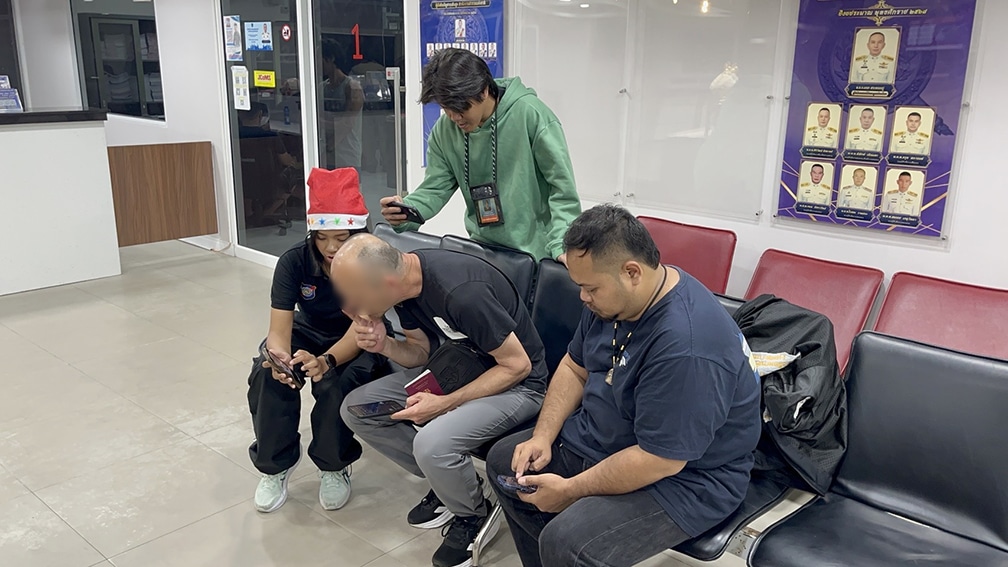
The man, named as Yilmaz Yuezbazi, reported the incident at Pattaya City Police Station on 25 December. Through an interpreter, he said he was walking along Beach Road near Soi 13/2 on Christmas Eve when a foreign man approached and started a friendly chat. The conversation soon shifted to health and appearance. The stranger claimed he knew of a special herbal hair tonic that could bring hair back, even on a completely bald head.
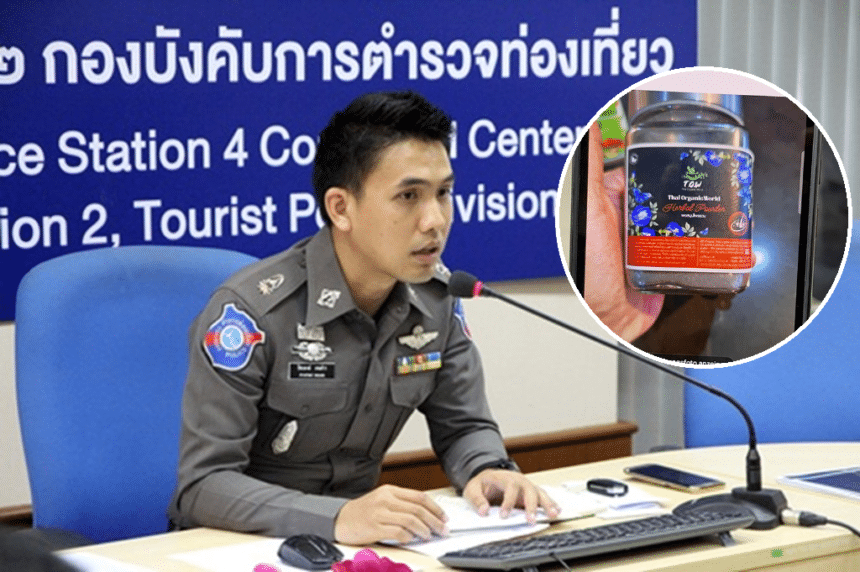
After hearing the pitch, Yuezbazi went with the man to a nearby herbal shop. There, he bought two jars of the product for 22,000 baht. Later, after looking at what he had purchased, he believed the items were overpriced and didn’t work as promised. He then filed a complaint and handed the bottles to the police as evidence.
The report follows a similar case last month. Another German tourist was persuaded to pay €4,000 (around 140,000 baht) for five bottles of “herbal-infused coconut oil,” said to trigger dramatic hair regrowth.
Claims of Organised Teams Running the Scam
Tourist Police and residents say these scams often involve organised groups linked to herbal shops in tourist zones. Reports frequently mention Pakistani nationals connected to some shops, working with street touts who approach tourists and build trust by acting like fellow travellers or friendly locals.
Hotspots in Pattaya include Beach Road, Second Road, and areas around shopping centres such as the Avenue and Baywalk. Similar reports have also come from Bangkok, especially Sukhumvit near Nana and Asok.
The approach often seems harmless at first. A tout starts a casual conversation and comments on something personal, such as thinning hair, weight, dark circles, or skin marks. They then claim they used a “secret” Thai herbal remedy and saw quick results, including full hair regrowth within weeks or sudden weight loss.
To look trustworthy, the scammer may make a small purchase nearby, such as honey or coconut oil from a 7-Eleven. After that, they guide the tourist to a specific herbal shop. Inside, staff apply pressure to buy immediately. The products are often basic powders or oils that cost very little, yet they are sold for thousands or even tens of thousands of baht.
Some victims report being charged in foreign currency, such as euros rather than baht, using credit card tricks that increase the loss. People who refuse can face intimidation, and many pay simply to end the situation and leave.
Tourist Police say raids sometimes lead to refunds, but the same shops can reopen under new names. Many cases also fade out because tourists leave Thailand before the process moves forward.
Tourist Police and What They Can Do
Thailand’s Tourist Police handle many visitor-related complaints and play a key role in dealing with these scams. The service was set up to help tourists feel safer, with a 24-hour hotline on 1155 and stations in major destinations including Pattaya, Bangkok, and Phuket.
Victims are often advised to contact Tourist Police quickly, as the unit has experience with scam reports, mediation, and working with other agencies on refunds or arrests. Past operations have included raids on herbal shops and arrests of suspects, including Pakistani and other foreign nationals, for offences linked to fraud, illegal work, and selling without the right licences.
Even so, scammers keep operating. Many tourists fly home before a case is settled, and some suspects take advantage of legal gaps.
Simple Tips for Tourists and Expats to Stay Safe
A few basic habits can reduce the risk:
- Say no to strangers offering health advice or selling remedies on the street.
- Don’t follow anyone to a shop based on a street recommendation.
- Check products online first; real Thai herbal items are usually inexpensive.
- If someone pressures or corners a tourist, leave and call the Tourist Police on 1155.
- Carry copies of a passport, not the original, and use ride-hailing apps like Grab for getting around.
Thailand welcomes millions of visitors each year, but caution matters most in nightlife areas. These scams cost people money and damage trust. Police say enforcement will continue, but travellers also need to protect themselves. Reporting suspicious activity can help stop the next person from being targeted.