


BANGKOK – A lorry transporting soil crashed into three roadside homes in Phetchabun, smashing two pickup trucks and leaving one elderly woman dead at the scene and another resident badly hurt. Police said the driver later admitted taking methamphetamine, and a urine test confirmed the drug.
Police from Ban Khok Station were alerted on 27 December to a serious crash on the Phetchabun to Tha Duea road in Moo 7, Ban Khok sub-district, Mueang Phetchabun. The road has two lanes for oncoming traffic and only a slight bend, but it runs through a residential area.
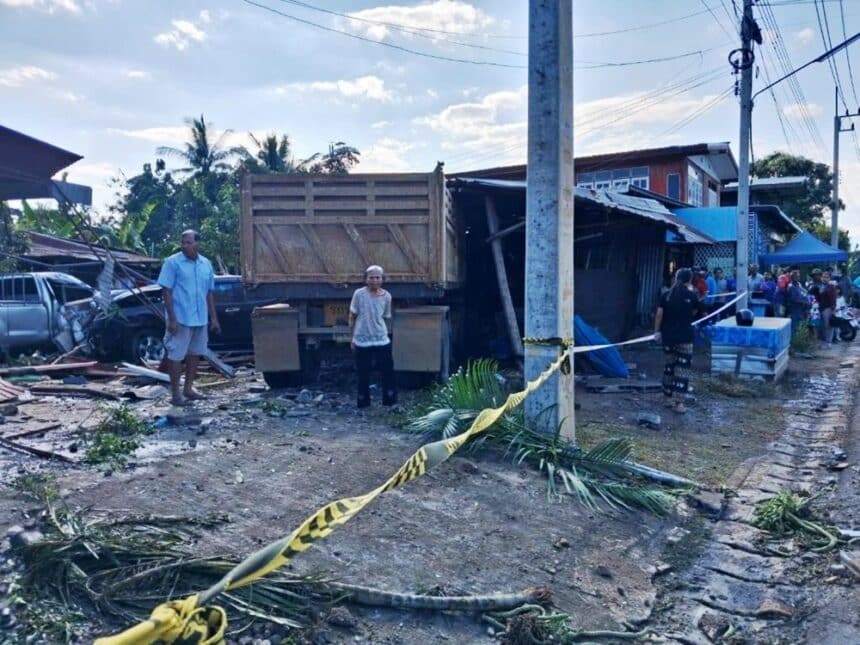
At the scene, officers found that the lorry had left the carriageway and slammed into homes beside the road. Three houses were damaged, with the lorry coming to rest inside house number 91/1, a two-storey home that suffered severe structural damage.
Two pickup trucks were also hit. An Isuzu black pickup was wrecked, while a Toyota bronze-silver pickup (registration ผก.2938 Phetchabun) was struck along the side.
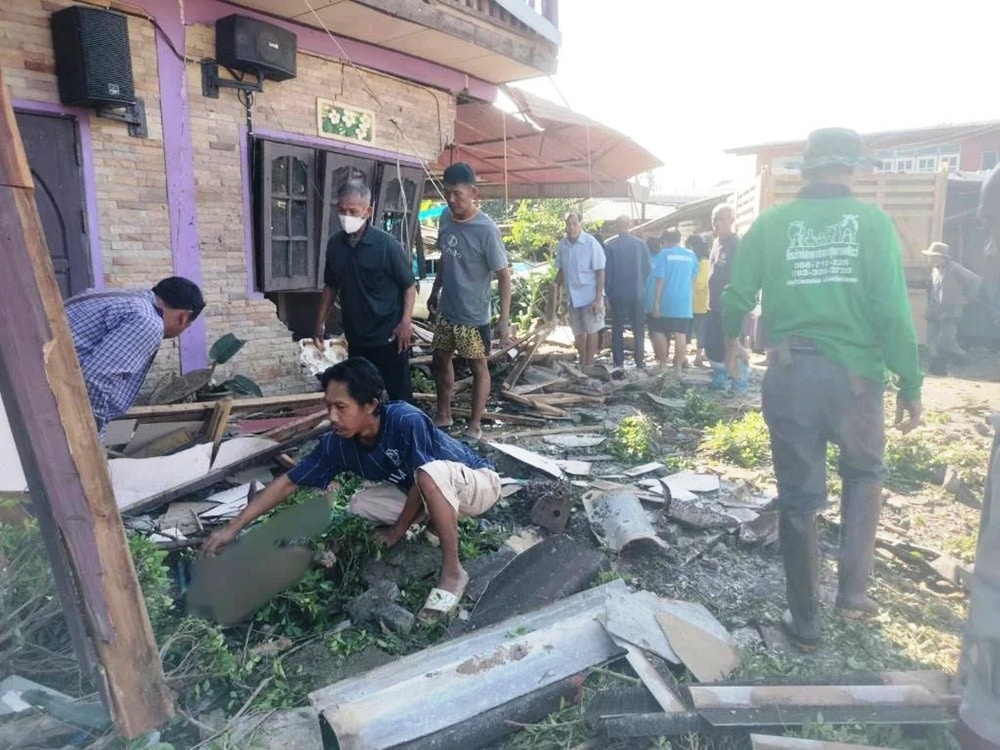
The force of the impact also damaged the fronts of neighbouring homes, including house number 91 and house number 89/5.
Inside the first home, police found the body of Ms Lor Jitphet, 78, who lived there and died at the scene. Another resident, Ms Nu Lek Boonmee, 68, suffered a broken leg and serious injuries.
Rescue workers from the Rom Pho Phetchabun Foundation rushed her to Phetchabun Hospital. Personal belongings inside the property were scattered and destroyed by the crash.
The driver, identified as Mr Prateep Iamsa-ard, 45, from Ban Khok sub-district, was found at the scene. He told officers he had been hauling soil to fill land at Ban Pak Pu in Sadeang sub-district and had already made several trips that day.
Before the crash, he said he blacked out, lost control, and first struck the black pickup, then crashed into the house. The lorry continued forward, hitting the second pickup and causing damage to the neighbouring homes.
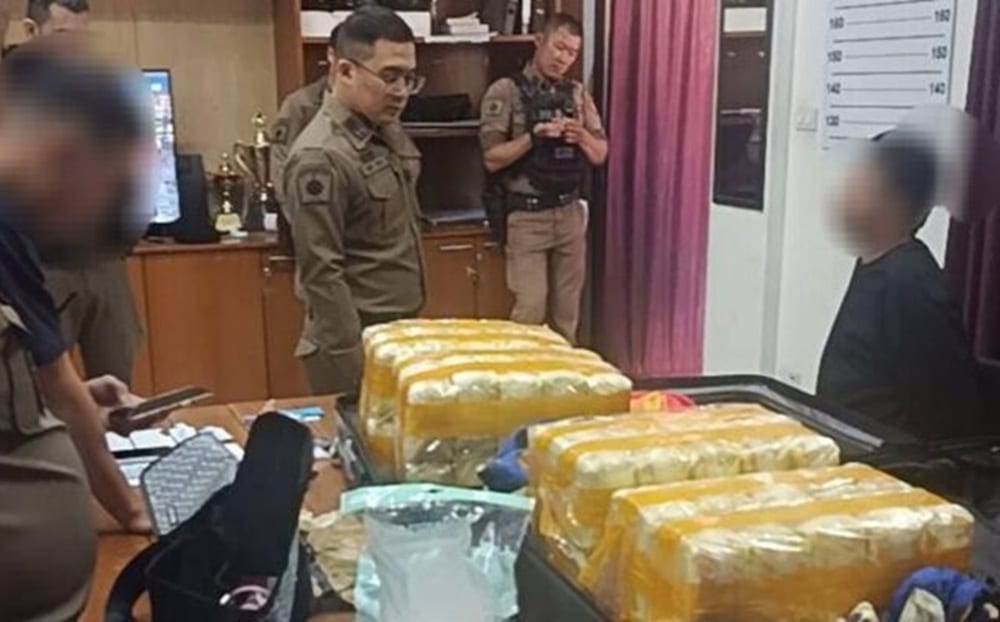
Police tested Mr Prateep for alcohol and recorded a reading of zero. A urine test, however, showed methamphetamine. He reportedly confessed to using yaba. Officers said he now faces charges including driving after using yaba (methamphetamine) and dangerous driving causing death, serious injury, and property damage. He was taken to Ban Khok Police Station for further legal action.
Methamphetamine use, often as yaba (a pill that mixes methamphetamine with caffeine and is nicknamed “crazy medicine” in Thai), has been tied to lorry (truck) drivers in Thailand for years. Many drivers take it to fight sleepiness, stay awake, and push through long-haul runs.
Yaba use has also spread across Thailand, especially among young people, students, factory workers, and other groups. Even so, the link to truck drivers still sticks because it works like a quick fix in stressful, low-pay jobs where staying alert can feel like part of the job.
For road safety, the risks are serious. Drivers can crash when the high fades fast, or they may act paranoid or aggressive while under the influence. Thailand’s wider methamphetamine problem continues as well.
Record busts in recent years, including more than 236 tons seized across the region in 2024, point to a steady supply. That keeps the drug within reach for workplace use, even with tough laws and periodic police drug checks at checkpoints.