




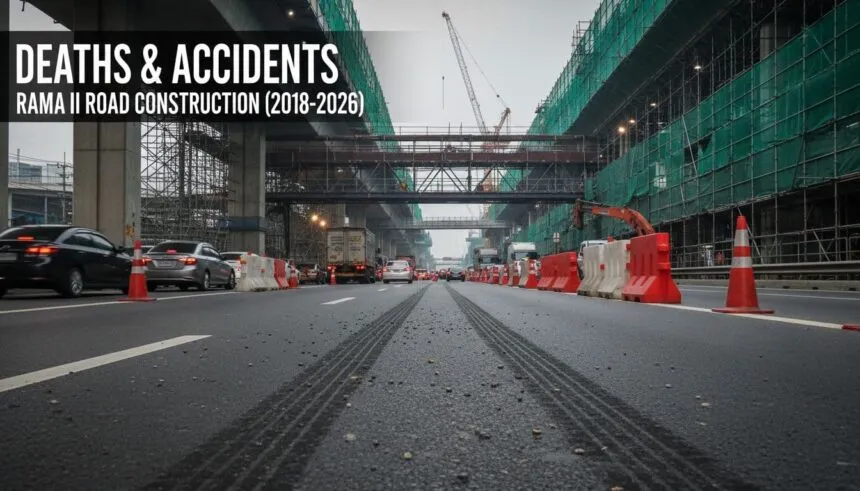
Rama II Road is the kind of drive that can make hands tighten on the wheel without thinking, especially when brake lights stretch for kilometers under elevated work, dust films the windshield, and kids shift in the back seat asking why the car isn’t moving. Many people in Thailand share the same mix of worry, anger, and exhaustion on Highway 35 (ถนนพระราม 2), because this isn’t just traffic, it’s traffic under cranes, beams, and constant lane changes. This guide lays out a simple timeline for Deaths and Accidents on Rama II Road Construction (2018 to 2026), what the reporting shows (and what’s still unclear), and practical steps to reduce risk before, during, and after a trip.
What the Rama II construction zone is, and why it scares drivers
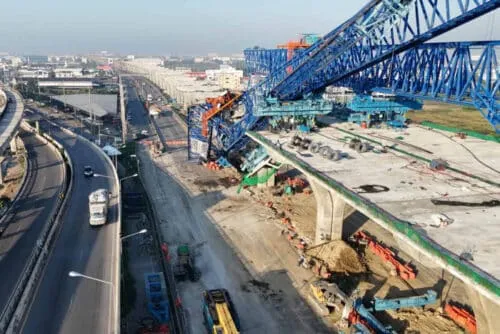
Rama II Road is National Highway 35, the main route linking Bangkok to Samut Sakhon and the South. It has long-running projects, including an elevated motorway and related works along the same corridor. One key project often mentioned in reports is the M82, an elevated motorway being built to carry through-traffic above the surface lanes.
On the ground, the “construction zone” isn’t one single point. It’s a shifting set of work areas across multiple districts and kilometers. Drivers describe the same problems again and again:
- Lane shifts that appear overnight, sometimes with cones moved or missing.
- Uneven pavement and sudden bumps at joins between old and new surfaces.
- Tight merges where cars and trucks funnel into fewer lanes fast.
- Low light in some stretches at night, plus glare from work lights.
- Dust and debris, especially when trucks pass or when the road shoulder is unsealed.
This is where the nickname context comes from. People call it never-ending construction, sometimes even the “seven-generation road,” because it feels like the work never finishes. The phrase is dark humor, but the fear under it is real, because the road is used by families, commuters, buses, and heavy logistics trucks every day.
Two kinds of risk: everyday crashes vs rare but deadly collapses
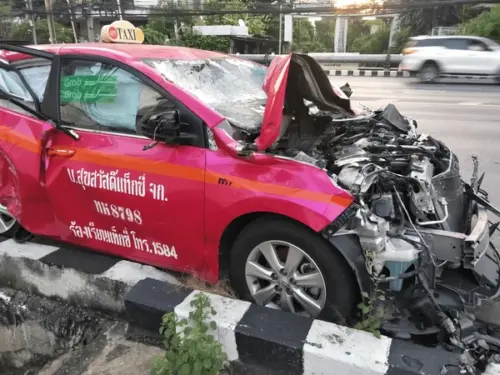
Most work zone dangers look ordinary until they aren’t. Every day crashes include rear-end collisions in stop-and-go jams, sideswipes during merges, and motorcycle falls when the surface changes without warning.
The second type is rarer, but it’s what keeps drivers scanning overhead. These are structural failures and heavy equipment incidents, such as crane collapses, falling concrete, and failures of beams or girders. (A beam or girder is a large support piece, often precast concrete, lifted into place to hold the elevated road.)
Rare events feel worse because they can strike cars that did nothing “wrong.” A driver can be in the correct lane, at a normal speed, and still be under the wrong spot at the wrong second.
Why numbers can sound confusing when people talk about deaths and injuries
People often argue about totals, but the confusion has a reason. Reports vary by source and time window. Some counts focus on construction-related incidents, while others include all crashes happening in construction zones. Totals also change as agencies update records and as investigations confirm what caused a crash.
This article avoids guessing one “perfect” number. When sources disagree, it uses ranges and explains why.
Timeline of deaths and accidents on Rama II Road construction (2018 to 2026)
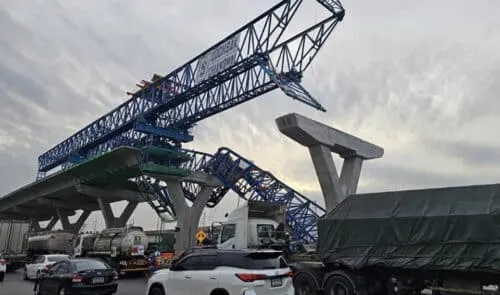
This timeline highlights widely reported patterns and major incidents, including Bang Khun Thian, Samut Sakhon, Mahachai, Ban Phaeo, and the approach to Tha Chin Bridge.
Big-picture totals (reported ranges):
- The Department of Highways has been cited in media reports for 2,200+ accidents, 140+ deaths, and about 1,300+ injuries over recent multi-year periods in work zones along Rama II Road.
- Some reports cite totals around 2,504 accidents, 142 deaths, and 1,441 injuries for 2018 to April 2023, and other summaries cite 2,500+ accidents over roughly seven years. One example is The Nation’s report on 2018 to 2023 accident statistics.
What follows is the clearer story behind those totals.
2018 to 2021: Narrow lanes, confusing merges, and the slow build of daily risk
2018–2019
- Reports during these years focused more on frequent crashes than headline collapses. Many were linked to lane narrowing, short merge distances, and congestion that triggers rear-end collisions.
- Higher-risk groups included motorcyclists (less space to recover), tired night drivers, and drivers boxed in by trucks.
2020
- Routine hazards remained dominant, but some incidents highlighted basic warning failures. A reported example in Samut Sakhon involved vehicles falling into a construction pit after warnings were not clear (media timelines list August 2020 as one such case).
2021
- Work continued to expand, including heavy lifting for elevated structures. Media timelines list a worker fatal fall in 2021 during beam-related work, reinforcing the idea that risk touches both road users and workers.
From 2018 to 2021, the danger often felt “normal” because it happened in small doses. Many people didn’t fear a collapse every trip, they feared the constant chance of a sudden stop, a sharp cone line, or a truck drifting across a tight merge.
2022 to 2024: Structural failures start showing up in headlines
2022
- In July 2022, multiple construction-related incidents were reported in timelines, including falling materials striking vehicles.
- 31 July 2022: A U-turn bridge structure collapsed around km 34 in Samut Sakhon, with reports of two deaths (including a worker and a car passenger) and several injuries, depending on early reporting.
2023
- 7 May 2023: Reports described a concrete beam falling near a shopping area, damaging vehicles and killing at least one worker in some accounts. Coverage often mentioned concerns such as securing methods and equipment condition, but full investigation outcomes were not always clear in public summaries.
29 November 2024
- A launching gantry and concrete segments collapsed on the outbound side of the M82 work area (Ekkachai to Ban Phaeo, Samut Sakhon). This incident was widely reported as six deaths and multiple injuries, with injury totals reported in a range across outlets. One detailed report is Bangkok Post coverage of the fatal crane collapse and work suspension.
By the end of 2024, many drivers said the fear changed shape. It wasn’t only about bad merges or wet pavement. It was also about what might happen overhead.
2025: Bridge and crane collapses, and why this year changed public trust
15 March 2025
- A major structure collapse at the Dao Khanong expressway works fell onto Rama II Road. Reports widely cited seven deaths and many injuries, with major closures and long delays. See Bangkok Post reporting on the March 2025 beam collapse, which also reflects how casualty reporting can shift as details are confirmed.
Early April 2025
- Reports also described crane-related incidents on Rama II Road works that injured people and disrupted traffic. These events reinforced a pattern: even when fatalities were avoided, a single equipment failure could shut lanes for hours.
By 2025, the public conversation was no longer only about “bad traffic management.” It was about trust. People wanted to know if inspections were strict enough, if lifting plans were safe, and why collapses kept happening on a road used by ordinary families every day.
January 2026: A beam and crane collapse, then a sinkhole, and what drivers should learn from both
15 January 2026
- A crane and concrete beam or girder collapsed on the Highway 82 elevated project area around km 30+300, inbound before the Tha Chin Bridge in Samut Sakhon, crushing vehicles below. Reports commonly cited two deaths and five injuries, while early details varied across outlets. For a compiled view of recurring incidents, see Thairath’s infographic report on recurring Rama 2 accidents and The Nation’s January 15, 2026 report.
17 January 2026
- A road collapse or sinkhole was reported in Samut Sakhon, causing major jams and emergency response, with no deaths reported in early coverage. One report describing the incident and disruption is The Nation’s sinkhole coverage.
Taken together, these January 2026 events show two different risks: overhead lifting failures and ground failures that can open under a vehicle. Drivers can’t control either, but they can reduce exposure and react more safely when conditions look wrong.
The repeating patterns behind these incidents, in plain English
Rama II Road is being built and rebuilt while staying open to heavy traffic. That’s the hard part. But the repeating problems described in public reporting usually fall into a few buckets:
- Traffic management gaps: short merge lengths, unclear signs, and abrupt lane closures that force drivers into last-minute decisions.
- Work over live traffic: lifting heavy beams above moving lanes increases the stakes if anything slips.
- Inspection and oversight pressure: large projects often involve multiple contractors and subcontractors, and the public expects the same safety standards at every level.
- Work at night: Night work can reduce congestion, but it also reduces visibility and increases fatigue risk for both workers and drivers.
What we know for sure, and what is still unclear
Know for sure
- Rama II roadwork zones have hada high number of crashes over multiple years, according to repeated Department of Highways figures cited by Thai media.
- Multiple fatal collapses have been documented since 2022, including November 2024, March 2025, and January 2026.
- The risk isn’t limited to a single point; it spans key areas in Bangkok and Samut Sakhon.
Still unclear
- Theexact total number of deaths from 2018 to 2026 depends on the definitions used in each report.
- Which incidents are counted as “construction accidents” versus general crashes inside work zones varies by source.
- Final investigation results for some events are not always fully summarized in public, especially in early reporting.
For same-day closures (ปิดถนน) and verified updates, official channels and traffic police updates remain the safest reference.
Why the same risks keep showing up on Rama II Road
This road is a corridor, not a detour. Drivers can’t “avoid the work area” if they must reach Samut Sakhon or connect south. Lanes squeeze together, trucks mix with family cars, and detours create new bottlenecks.
Elevated motorway construction also repeats similar tasks: placing pillars, lifting beams, moving large cranes, and staging materials close to traffic. When a system has the same high-risk moments every week, the only way to reduce harm is through strong controls every time, not only after a tragedy.
How to drive Rama II safer, plus common alternate routes people use
No checklist can remove risk from a live construction corridor. But calm habits reduce the risk of mistakes when something changes suddenly.
Before you go: plan like the road will surprise you
- Check live traffic and same-day closures, because lane openings can change fast.
- If the trip is flexible, choose daylight. Fatigue and low visibility make work zones harder.
- Add buffer time so there’s no urge to rush or cut lanes late.
- Set navigation early, not at the last exit, to avoid panic moves near bottlenecks.
- Make sure headlights and wipers work well, rain plus cones is a bad mix.
- If using a dashcam, secure it so it doesn’t block the view.
- Keep kids belted, even in slow traffic, because sudden stops are common.
While you are in the construction zone: small habits that reduce danger
- Slow down early when cone lines start. Sudden braking causes pileups.
- Leave more following distance than usual, because the pavement can be uneven.
- Avoid sitting beside trucks for long. Stay visible and give space.
- Watch for lane shifts and bumps at bridge joints and temporary patches.
- Keep eyes up when passing under active lifting zones. Don’t stop under cranes or beams if traffic is moving and it’s safe to continue.
- Don’t use a phone. Work zones punish distraction fast.
- Use hazard lights only when truly needed; overuse makes signals less meaningful in heavy rain or fog.
Alternate routes and timing: safer choices without false promises
Many drivers use alternate routes depending on the starting point and destination, but none are guaranteed to be “safe” or “fast.” Some choose different departure times to avoid peak traffic, while others reroute onto parallel local roads during major closures.
The key is to treat any detour as its own risk. Smaller roads can mean motorcycles, school zones, markets, and sudden U-turns. Live traffic checks matter more than habit, especially on holiday peaks.
If you live near the works: dust, noise, and what to do after an incident nearby
People near the corridor deal with more than traffic. Dust and noise can feel constant.
- Keep windows closed during heavy dust periods, and use simple wet wiping to reduce indoor dust.
- Watch children near temporary barriers and side streets where drivers may cut in fast.
- Use extra care at U-turns and frontage roads where sight lines are blocked by barriers.
- Report hazards like broken lights, exposed rebar, or downed cones to local authorities.
After an incident, avoid the scene and don’t share photos of victims. Sharing verified traffic updates is helpful; sharing graphic images isn’t.
FAQ: what drivers in Thailand ask most about Rama II accidents
Is Rama II Road (Highway 35) actually more dangerous because of construction?
Work zones raise risk, especially with narrowed lanes, heavy trucks, and sudden lane shifts. Risk also varies by time of day and whether overhead lifting is in progress.
How many deaths and accidents happened from 2018 to 2026?
Reports vary by source. Media citing Department of Highways data commonly report 2,200+ to 2,500+ accidents, about 132 to 144 deaths, and roughly 1,300+ to 1,400+ injuries, depending on date range and definitions. One summary of the Highway 35 context and route details is in theRama II Road background information.
What should I do if I see a crane lifting beams above the road?
Don’t stop under it if traffic is moving and it’s safe to keep going. Keep a steady safe speed, leave space, avoid quick lane changes, and follow police or flagger signals.
What are the worst times to drive Rama II during construction?
Higher-risk periods often include late-night or early-morning work hours, heavy rain, and holiday peaks when jams and lane closures combine. Live traffic checks are more reliable than guessing.
If there is a collapse or sinkhole, will insurance cover my car?
Coverage depends on policy type and terms. Document the scene safely, get a police report if possible, and contact the insurer quickly. Avoid making claims at the roadside if it’s not safe.
Are collapses common compared to normal crashes?
No. Most incidents are still routine crashes in congestion. Collapses are rarer, but their consequences can be severe because they can affect vehicles below.
Sources and update note (January 2026)
This article relies on reported figures and incident coverage from Thai and regional media, including Department of Highways statistics cited by outlets such as The Nation’s Rama II accident totals report, plus incident reporting from Bangkok Post and January 2026 updates from The Nation and Thairath. Counts can change as agencies confirm causes and revise totals.
Conclusion
The story of Deaths and Accidents on Rama II Road Construction (2018 to 2026) is not one moment, it’s years of daily work zone risk mixed with several heartbreaking collapses that changed public trust. Behind every number is a person, and families who didn’t expect a normal drive to end in loss. The most practical response is steady caution, checking same-day closures, and reducing exposure to the highest-risk moments, especially under active lifting and in low light. If Rama II Road is part of daily life, share which section feels worst and at what time the trip happens. This timeline will be updated when new official reports are released.
SEE MORE: Residents in Mae Sai Angered Over 3 Billion Baht Flood Barrier Project