


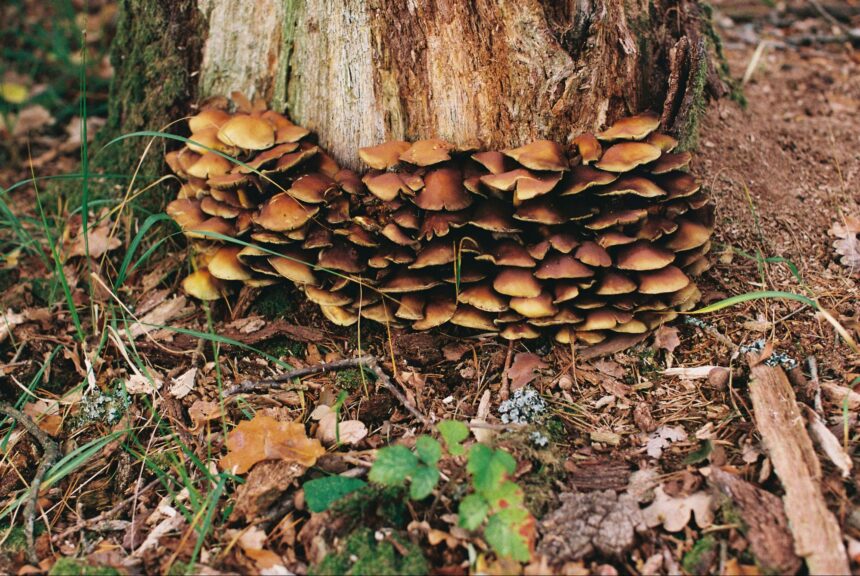
Mycology, the study of fungi, is a realm that often dwells in the shadows of biology. However, beneath this cloak of obscurity lies a world teeming with intrigue, discovery, and profound ecological impact.
Mushrooms, molds, and yeast might not have the imposing grandeur of elephants or the charisma of dolphins, but their influence on Earth is undeniable and extensive. Fungi have shaped ecosystems for millions of years and continue to surprise scientists with their unique functions and capabilities.
Fungi: The Hidden Kingdom
Fungi have long stood as the enigmatic kingdom of organisms. Often mistaken for plants, they are, in fact, closer relatives to animals due to their complex eukaryotic cells. Yet, they march to the beat of their own drum. Unlike plants, fungi do not rely on sunlight for energy. Instead, they obtain nutrients through absorption, often decomposing organic material to fuel their life cycles.
What sets fungi apart is their remarkable adaptability. They have been found flourishing in the most hostile environments imaginable—from the polar ice to the scorching heat of deserts. Whether aiding decaying logs in a forest or making bread rise to perfection, fungi are extraordinary chemists with the power to transform, detoxify, and enrich their surroundings.
In studying the various reproductive strategies that fungi employ, enthusiasts and scholars alike can find valuable resources, such as magic mushroom spores, which offer a glimpse into a diversity of fungal species for educational exploration and microscopy purposes. This diversity in reproduction helps fungi colonize new areas, contributing to biodiversity and ecological resilience across varied habitats.
One intriguing aspect of fungi comes from their unique reproductive strategies. Spores, their means of reproduction, can disperse over vast distances, carried by the wind or hitching rides on animals. This helps them colonize new areas, contributing to biodiversity and ecological resilience across varied habitats. The sheer numbers involved in spore release are staggering, with some species expelling billions during their release cycles.
Mushrooms: Not Just for Dinner
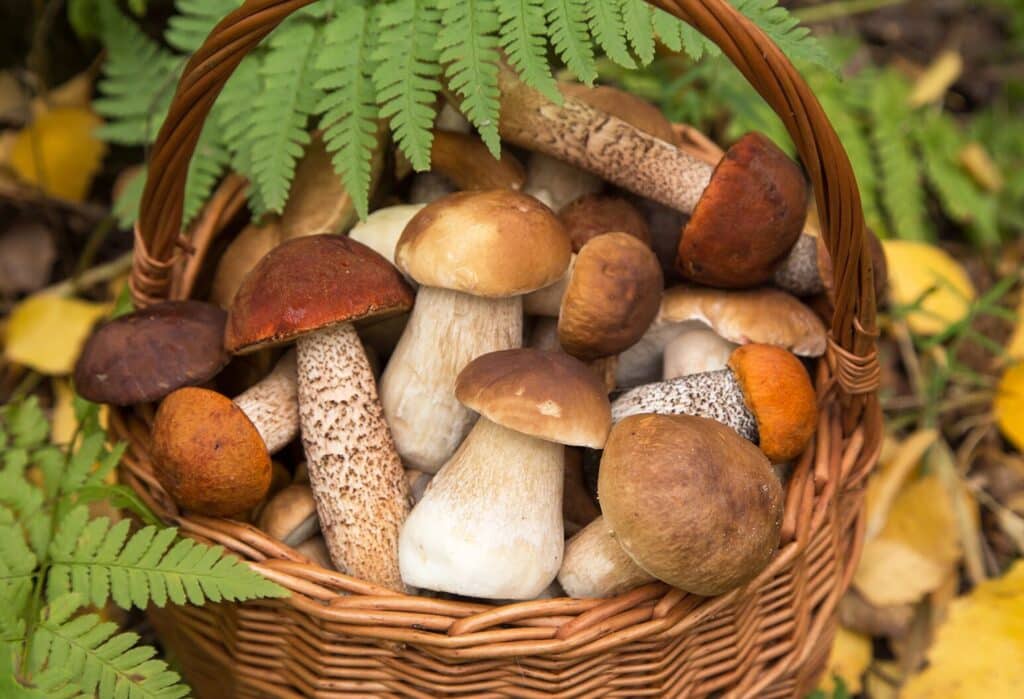
Mushrooms, the fruiting bodies of fungi, are perhaps the most visible and familiar members of this group. Their culinary appeal is just a mushroom cap’s tip. Beyond being edible delights, some mushrooms carry significant medicinal properties. Compounds such as beta-glucans found in certain species have been heralded for their health benefits, including potent immune-boosting effects.
The “death cap” (Amanita phalloides) reminds us of fungi’s darker side. This seemingly innocuous mushroom is lethal if consumed, highlighting how some fungi have evolved potent toxins as evolutionary defense mechanisms. It is a stark reminder of the complex relationship humans must navigate with the mushroom world.
Besides their role in culinary arts and medicine, mushrooms pique the interest of environmental scientists. Some fungi are bioindicators, revealing the health of ecosystems. By studying specific species, researchers can detect pollution levels or shifts in environmental conditions, providing crucial data that informs conservation strategies.
Mycorrhizae: Unsung Heroes of the Soil
Forests thrive, in large part due to mycorrhizal fungi. These fungi form symbiotic relationships with plant roots, supplying nutrients to their hosts while receiving carbohydrates in return. Mycorrhizae significantly enhance a plant’s ability to absorb nutrients, thus playing a pivotal role in healthy ecosystems.
Importantly, mycorrhizal networks transform underground into a “fungal internet,” interconnected webs that allow plants to communicate and share resources, especially during times of stress. This ancient collaboration underscores the sophisticated interdependencies that ensure Earth’s ecosystems remain resilient.
Additionally, the conservation of mycorrhizal fungi holds potential for restoring degraded landscapes. These relationships can be harnessed in horticulture and agriculture, where inoculating soil with mycorrhizal spores can rejuvenate barren areas, promoting plant growth and increasing yield without the excessive use of chemical fertilizers.
Fungi in Modern Science
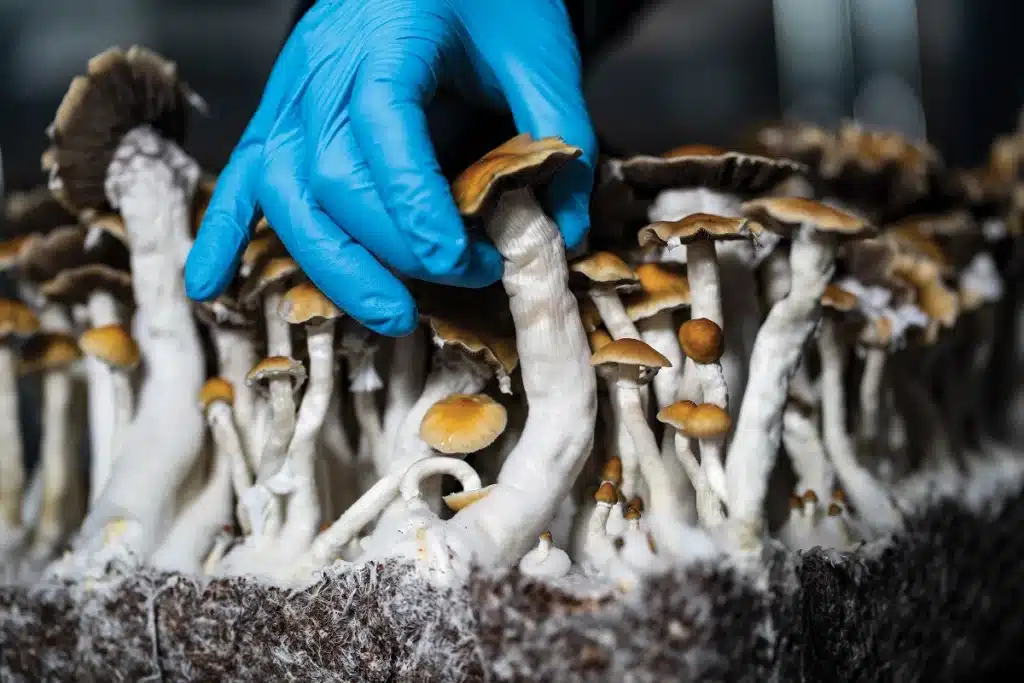
The fascination with fungi is far from limited to natural landscapes. They are at the forefront of various scientific breakthroughs, promising answers to modern challenges. In agriculture, fungi serve as natural pesticides, offering a more sustainable alternative to chemical interventions.
Biotechnology, too, is benefiting from these organisms. Fungi play a crucial role in bioremediation, the process of using living organisms to cleanse contaminated environments. By breaking down pollutants, specific species can restore balance to ecosystems ravaged by industrial waste.
As we explore the realms of fungi within biomedical research, discoveries continue to surface. Fungal secondary metabolites are a hotbed for research, as these compounds can lead to new pharmaceuticals. From antibiotics to anticancer drugs, fungi have the capability to evolve healthcare approaches and showcase the untapped potential residing within these organisms.
The Unforeseen Potential Ahead With Mycology
Fungi’s potential seems boundless. As climate change prompts shifts in ecological dynamics, mycologists are increasingly passionate about understanding how fungi might tackle issues like food insecurity, energy sustainability, and waste management.
With continued research, new fungal applications will likely emerge, each offering novel solutions or revealing previously unimagined roles they play in our shared world. As mycology garners deserved attention and deeper understanding, perhaps society will better acknowledge fungi as valuable allies in a constantly changing ecosystem.
Ultimately, it is an exciting time to recognize the fundamental role fungi will play in our transitions ahead. As we peel back the layers of their mysterious realm, we step closer to aligning with ancient nature’s wisdom and unlocking the boundless potential of these extraordinary organisms.
Trending News:
Selecting Your Family Physician for Lifelong Health Success
Thailand Has Become the World Hub for Health and Wellness Tourism