




Last Updated on July 7, 2026 by Jeff Tomas
Thailand’s culture festivals 2026 in the Kingdom of Thailand aren’t just photo ops; they’re how this Southeast Asian nation marks seasons, merit, and community with roots in ancient Siam and the Ayutthaya Kingdom. This guide keeps it practical and culture-first, so you can plan Thailand tourism with confidence and still do things the right way.
Two dates matter most for travelers. Songkran (Thai New Year) lands in mid-April every year, but local schedules can vary, so details may still shift. Loy Krathong is set for November 25, 2026, and Chiang Mai’s Yi Peng (the sky-lantern celebration) is widely listed for November 24-25, 2026, since both follow lunar calendars.
Next, you’ll get clear planning help for each festival: what actually happens, the best cities to go, what to wear, basic etiquette, safety, and a realistic budget. You’ll also see notes when dates aren’t locked yet (for example, Phi Ta Khon and the Phuket Vegetarian Festival), plus where to check updates.
If you want more than surface-level tips, the Chiang Rai Times style of cultural reporting adds the context that makes each event click, why it matters, who it’s for, and how to join in without getting in the way.
Festival calendar 2026: key dates and where to go (month by month)
Thailand’s festival year has a few predictable pressure points, plus plenty of calmer cultural wins if you time it right. Use this month-by-month mindset: fixed-date festivals (like Songkran, with roots in the Sukhothai Kingdom) are easier to plan early, while lunar-calendar events (like Yi Peng and Loy Krathong) reward flexibility because details can shift.
If you’re building your 2026 trip around just one moment, most travelers pick April (Songkran) or late November (Loy Krathong and Yi Peng). Both are unforgettable, but they’re also the weeks when rooms disappear first, and transport fills up fast due to booming tourism.
Quick view: biggest crowds and highest hotel prices
 Songkran crowds in Chiang Mai can turn the Old City into a moving water fight, with full hotels and busy streets.
Some dates don’t just get busy, they sell out in layers. First, the most walkable hotels go. Next, transport gets expensive. Then even “backup” neighborhoods fill, because everyone has the same idea.
Here are the biggest pinch points for 2026:
- Songkran in Chiang Mai (April 13 to 15, 2026): Chiang Mai’s moat area concentrates the action, so the Old City and Nimman areas book up early. Many travelers want a “walk out, and you’re in it” base, which means limited inventory and fast price jumps. If you want a taste of what to expect, see this Songkran in Chiang Mai planning guide.
- Yi Peng and Loy Krathong in Chiang Mai (late November, commonly listed around Nov 24 to 25, 2026): This week draws both culture travelers and bucket-list crowds. The city gets squeezed because visitors want river access for krathongs and easy rides to lantern-viewing spots. Ticketed lantern releases can also tighten availability, especially for larger groups (check the official Yi Peng ticket updates as dates firm up).
- Phuket Vegetarian Festival (mid-October, dates often listed around Oct 11 to 19, 2026, but can be TBC): Phuket Town becomes the center of rituals and processions. People come for the spiritual side, the food, and the visuals, so “nice but central” hotels disappear first.A few booking rules of thumb help you dodge the worst stress:
- Book your “must-sleep” nights first: Lock in the festival dates, then build the rest of your route around them. For Songkran and late November in Chiang Mai, treat your lodging like concert tickets; this is essential travel advice.
- Stay just outside the Old City for Chiang Mai: You’ll still reach the action quickly, but you’ll often get better value and quieter nights. Think a short ride away instead of on the moat itself.
- Add flexible buffer nights: Arrive one day early and leave one day after if you can. That small shift can cut costs by hundreds of Thai Baht and make transport easier; more travel advice to keep things smooth.
- Use trains where it makes sense: For popular corridors (like Bangkok to Chiang Mai), trains can be a calmer option during peak weeks, but you still need to book ahead. Overnight sleepers also save a hotel night.
- Protect your sleep during party-heavy dates: During Songkran, pick a place with good soundproofing or a room not facing the main road. Otherwise, you’ll feel the festival at 2 a.m.
Practical takeaway: For the highest-demand weeks, the “best” hotel is often the one you booked early, not the one with the prettiest photos. Check visa exemption options if you’re planning to extend your stay in Thailand.
Underrated picks if you want culture without the crush
 Asanha Bucha evenings feel quiet and local, with candlelit walks and a respectful pace.
Not every festival needs crowds to feel powerful. Some of the most meaningful moments are smaller, slower, and more local, the kind of days when you can hear temple bells and normal life keeps moving around you.
These are solid “culture-first” picks for 2026:
- Asanha Bucha (July 29, 2026): Expect temple visits, candlelit processions, and a calm mood. Dress modestly, speak softly, and follow the lead of locals. It’s more “observe and join respectfully” than “party and post.”
- Khao Phansa (July 30, 2026): This marks the start of Buddhist Lent. Offerings and merit-making take center stage, and it can feel like seeing Thailand exhale into the rainy season. Go early in the day for the most authentic rhythm.
- Chiang Mai Flower Festival (February 2026, often listed around Feb 13 to 15, but schedules can vary): It’s festive without being chaotic. You’ll see floats, gardens, and local families out for the weekend. The vibe is bright and wholesome, more parade route than nightlife.
- Phi Ta Khon in Dan Sai (Loei Province in Isan, often listed in June, but commonly TBC): This “ghost festival” hits differently in a small town. It’s playful and loud, but it still feels community-led instead of tourist-run. If you go, act like a guest at someone else’s reunion, not an audience at a show.A simple way to choose: if you want fewer party crowds, prioritize Buddhist holidays and regional festivals in smaller provinces. You’ll trade some convenience for a more genuine connection.
Respect check: At temple-focused events, cover shoulders and knees, remove shoes when needed, and keep photos discreet, especially during prayers.
Songkran 2026: how to enjoy the water fights and still honor the tradition
Songkran is Thailand’s New Year, rooted in the ancient traditions of Siam, and in 2026, it officially runs from April 13 to 15 throughout Thailand. You’ll see two celebrations happening at once in Thailand. One is joyful water play in busy streets. The other is about respect, family, and renewal, like rinsing off the old year and starting fresh, a custom from the days of Siam.
The sweet spot is simple: do a small traditional moment first, then go all-in on the water zones. Even one early temple visit or a respectful water blessing tied to Theravada Buddhism can change how the whole festival feels.
 \ Many locals start Songkran with a calm, respectful blessing before the louder street celebrations.
\
Bangkok vs Chiang Mai vs Phuket: choose your Songkran style
Songkran changes a lot by city. Pick the one that matches your energy, because “a little water” in one place can feel like a full-contact sport in another.
Bangkok is the best fit if you want spiritual ceremonies and big-city spectacle in the same day. You can do a temple visit in the morning along the Chao Phraya River, then head to major streets where the water action is loud and nonstop in Bangkok.
It feels like a parade route collided with a block party, especially around well-known zones such as Khao San Road and Silom. Insider move: go to a temple early, then shift to water zones after lunch. Mornings are calmer, and you’ll feel more grounded before the crowds. This is key travel advice for crowd management.
Chiang Mai is the classic choice for the biggest water-play zones. The Old City moat area becomes a loop of splashing, refills, and friendly chaos, and many people play for days. If you like a festival that’s easy to join (just walk outside and you’re “in it”), Chiang Mai delivers. Still, it can get intense fast, and the busiest streets are not the only option.
Insider move: Use quieter side streets one or two blocks off the moat when you want a break. You still get the fun, just with fewer buckets flying at your face.
 Chiang Mai’s moat area is famous for all-day water play and a high-energy street vibe.
Phuket leans into beach-party energy, especially in Patong. Expect water fights mixed with ocean air, music, and a vacation mood that can run late. It’s less about “temple to street” and more about “sun to splash to nightlife.” If you’re already on an island trip, it’s the easiest way to add Songkran without changing your whole itinerary.
Insider move: pick family-friendly zones earlier in the day, then decide if you want the louder beach areas after dark. Your timing controls your experience. One quick planning tip: if you want a city-by-city snapshot of what to expect, check this Songkran 2026 celebration guide and compare it to your travel style.
Songkran etiquette that visitors often miss
Songkran is friendly on purpose. If you treat it like a free-for-all, you’ll be the problem, not the party. Use these simple rules, and you’ll blend in fast. This travel advice focuses on safety and smooth crowd navigation.
Here are the do’s and don’ts that matter most:
- Do avoid splashing monks, small kids, and elderly people. If you’re not sure, don’t splash.
- Don’t throw water at people who look like they’re working (street vendors, security, drivers).
- Do ask before using ice water. Cold shock is not funny to everyone.
- Don’t aim at faces. Keep it playful, not aggressive.
- Do dress respectfully once you step away from water zones (especially near temples). Cover shoulders and thighs when possible.
- Don’t put powder on someone’s face if they decline. A simple “no” is the end of it.
- Do protect valuables. A waterproof pouch for your phone and cash saves the day.
- Don’t use illegal drugs, as it’s a serious safety risk for tourists.
- Don’t escalate. If someone splashes lightly, answer lightly. Match the vibe.
A good rule: if your splash would feel rude without the holiday, it’s still rude on Songkran.

Loy Krathong and Yi Peng 2026: floating candles, sky lanterns, and the right way to take part
In late November, Thailand hits one of its most beautiful weeks. Loy Krathong (Nov 25, 2026) is about water, gratitude, and letting go. In Chiang Mai, Yi Peng (Nov 24 to 25, 2026) adds sky lanterns and a northern-style celebration.
Both nights can feel like a movie set, but they’re still real community traditions. If you follow a few simple habits, you’ll have a better time, and you’ll leave the place better than you found it.
Eco-friendly choices that protect rivers and neighborhoods
A krathong is a small floating offering with deep roots in the water-based traditions of ancient Siam. Born in the Sukhothai Kingdom, Loy Krathong ties into Theravada Buddhism’s merit-making practices, serving as a tiny “thank you” note to the water, set afloat with care. Popular in Thailand along waterways like the Chao Phraya River, the problem arises after the candles burn out. Rivers and canals don’t “eat” plastic, and foam breaks into a mess that lingers.
Start by choosing materials that return to nature, key travel advice for celebrating responsibly in Thailand. The easiest win is a banana leaf krathong with flowers and a small candle. In some places, you’ll also see bread-based krathongs, which can be fine when locals accept them (they’re meant to be eaten by fish), but they can also create water quality issues if crowds go heavy. When in doubt, go with banana leaf and flowers.
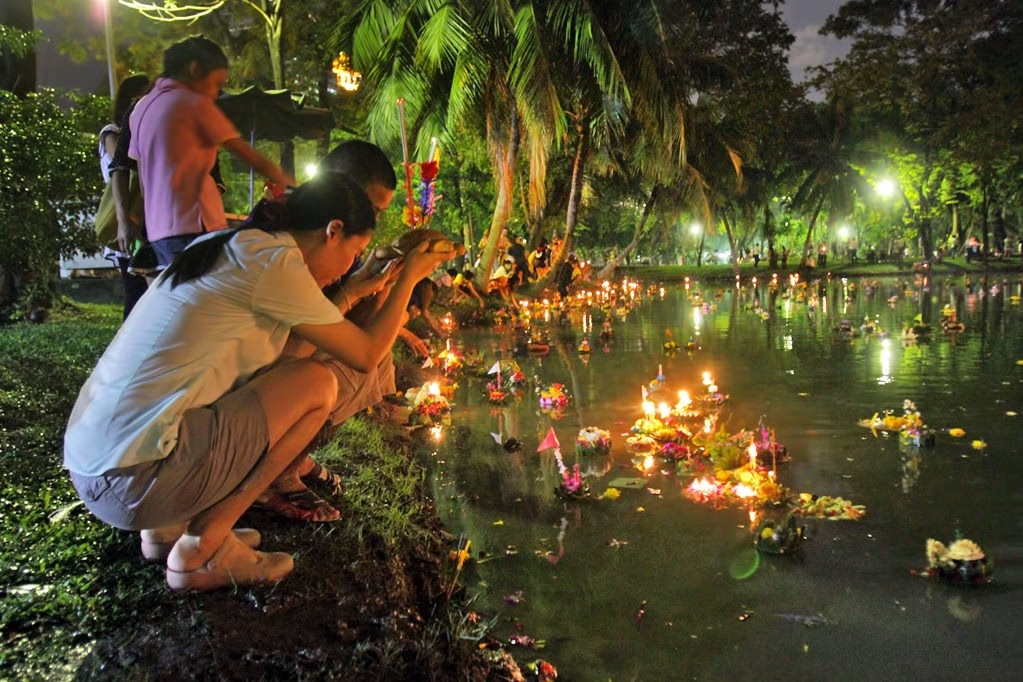
An eco-friendly krathong keeps the tradition beautiful without adding long-term waste.
Also, keep your krathong simple. The more decorations it has, the more trash someone else must pull from the water later. Many cities and local groups do cleanups after the festival, but the best cleanup is the waste you never create. Thailand regularly urges people to choose natural materials for the holiday, including avoiding foam and plastics, as covered in eco-friendly Loy Krathong guidance.
Before you buy, use this quick checklist so you don’t second-guess at the stall:
- Materials: Banana leaf base, natural flowers, and minimal pins or wire.
- Avoid: Foam, plastic, glitter, confetti, and heavy decorative frames.
- Candle choice: One small candle is enough (more wax means more residue).
- Size: Smaller floats clean up easier and drift better in tight canals.
- Where you release: Use official release points if posted; they’re easier to manage and clean.
Quick rule: If it wouldn’t break down in a backyard compost pile, don’t float it.
Getting that Chiang Mai lantern moment without the chaos
Yi Peng in Chiang Mai can feel like the whole city is holding its breath, then exhaling light into the sky. It’s stunning, but it’s also crowded, loud, and packed with traffic bottlenecks. A little strategy keeps it fun, including essential travel advice on lantern safety to avoid fire risks.
Pick your plan early in the day, then stick to it. Choose one main viewing area for the night instead of bouncing between spots. If you keep moving, you’ll spend the evening in a slow shuffle behind other people’s shoulders. For extra context on what to expect and how events are structured, see this Yi Peng festival planning overview.
 In Chiang Mai, Yi Peng lanterns can fill the sky, but crowds build fast near popular release areas,
Getting around matters as much as where you stand. Arrive early, eat before peak time, and use public transport, walking, or short rides when roads choke up. In addition, set a simple meetup point (a specific corner, landmark, or storefront) in case your group gets split. Phone signals can get spotty when everyone tries to upload at once.
Keep expectations grounded. Photos make it look like you’ll have a wide-open field and perfect silence. Real life includes vendors, lines, and people stepping into your frame. If you treat it like a shared moment instead of a private shoot, you’ll enjoy it more.
A few respectful photo habits go a long way:
- Don’t use flash in people’s faces, especially during prayers or quiet moments.
- Don’t block worship or stand in front of people who are making offerings.
- Ask before close-up portraits, especially of monks, elders, and children.
- Shoot from the side when crowds are packed; it reduces conflict fast.
Regional festivals that show Thailand beyond the postcards
Thailand’s best festival memories often happen far from the biggest tourist circuits. In smaller provinces, traditions feel less staged because they’re built for locals first, echoing the continuity of Siam’s regional customs. You might trade convenience for connection, but you’ll get something better than a highlight reel: real community energy, regional food, and stories that make sense once you’ve seen them in person.
The key is to show up like a guest, not a critic. Dress with care, follow the crowd’s pace, and keep your camera secondary when prayers start. These three festivals are perfect examples of Thailand beyond the “must-see” list: loud, intense, and unforgettable in very different ways.
Phi Ta Khon (Ghost Festival): what the masks mean and how to join respectfully\
Phi Ta Khon (in Dan Sai, Loei Province, along the Mekong River) looks like a street party dressed as a horror comedy. The masks are tall, bright, and a little spooky, often made from everyday materials with influences tracing back to the Khmer Empire’s artistic styles. Still, there’s a story under the paint.
In simple terms, the festival links to the Buddhist tale of Prince Vessandorn (also spelled Vessantara). He was a generous prince who left his kingdom, then later returned. The welcoming celebration was so loud and joyful that even spirits from the forest heard it and followed the parade back to town. That’s the heart of Phi Ta Khon: a playful “ghost” crowd joining humans to celebrate good fortune, merit, and community, much like enduring Siam traditions.
So what should you expect on the main parade day?
- The soundtrack is drums, dancing, and shouting, plus plenty of jokes from masked performers.
- It gets packed along the route, with locals watching from shopfronts and families posted up early.
- The vibe is fun, but it’s still tied to temple rituals, so respect matters.Wear something that handles heat and crowds. Lightweight clothes work best, but keep them modest, especially near temples. Closed-toe shoes are a smart idea because you’ll step around cords, uneven pavement, and the occasional spilled drink. Bring a hat, water, and a small cloth; it can feel like standing next to a speaker at a street concert. Follow this travel advice to navigate potential border dispute delays in remote northern areas.Also, treat the masks like someone’s pride and effort, not a prop. Don’t grab them for photos. If you want meaning and background before you go, Tourism Thailand’s explainer on the Phi Ta Khon mask legend gives helpful context.
Booking early matters here for a simple reason: Dan Sai is small. Lodging options are limited, and transport can get tight once dates firm up, especially with occasional border dispute complications. If you can’t find a room in town, consider staying in a larger nearby hub and arranging a driver early. Waiting until the last minute can turn a great plan into a long day trip with no buffer.
Respect tip: If a performer approaches you, mirror their energy. Laugh, wave, step aside. Let them lead the interaction.
Phuket Vegetarian Festival: intense rituals, simple rules for visitors

The Phuket Vegetarian Festival is part spiritual devotion, part street spectacle, and it can surprise first-timers. You’ll see white clothing, smoke from firecrackers, loud processions, and food stalls that seem to go on forever along the Andaman Sea coast and facing the Gulf of Thailand. It’s also connected to Chinese shrines and rituals honoring the Nine Emperor Gods, blended with Ayutthaya Kingdom era customs.
If you want to participate respectfully, keep the rules simple. Many devotees go strict diet for nine days. Visitors can follow a lighter version and still show respect:
- Eat vegetarian (jay) while you’re attending events, especially if you plan to visit shrines.
- Skip alcohol on festival days if you’re going into ceremony areas.
- Dress modestly, and if you can, wear white as a sign of purity and respect.
- Remove shoes when entering shrine areas, and keep your voice low.Processions are the center of the street action. Expect chanting, music, incense, and long lines of people moving through Phuket Town. You’ll also hear firecrackers, sometimes nonstop. If you hate loud noise, bring earplugs and plan shorter visits.One important heads-up: some rituals can be graphic. Certain participants (often called ma song) enter a trance-like state and perform acts like cheek piercing. Blood is possible, and the crowd can surge when they appear. If that’s not for you, it’s fine to step away; you’ll still find plenty of food stalls, shrine ceremonies, and parade energy without getting close to the intense moments. Steer clear of illegal drugs to stay safe amid the crowds.
Set clear safety boundaries so you don’t become the problem in a tight street:
- Don’t touch participants, especially anyone in trance or carrying ritual items.
- Give space and follow barriers; they exist for a reason.
- Avoid flash close to faces, smoke, and tight crowds.
- Stand to the side, not in the flow, because processions move fast when they need to.Food is the easy win here. Look for yellow flags (often with red Thai or Chinese characters) marking vegetarian stalls. If you’re unsure what you’re ordering, point and ask, “jay?” Vendors are used to it. Go early if you want variety, because popular items sell out fast, especially near shrines.
Rocket Festival and Surin Elephant Festival: big energy, smart choices
Thailand has festivals that feel like pure horsepower. Two of the biggest are the Rocket Festival (Bun Bang Fai) in Yasothon and the Surin Elephant Festival in Surin Province. Both draw crowds for a reason, rooted in Siam’s Khmer Empire legacies. Both also reward practical planning despite past regional stability issues from events like the military coup.
At the Rocket Festival, the mood builds like a summer fair that happens to launch homemade rockets in the Isan heartland. Parades and dancing set the stage, then the real show begins. Rockets roar off the launch ramps with a deep crack that hits your chest. When one misfires, everyone reacts at once.
A few choices keep the day fun instead of stressful:
- Wear ear protection if you’re sensitive to loud sounds.
- Stay well back from launch areas, even if others inch forward.
- Keep your phone and drink secure; crowd movement gets messy near big launches.
- Pick a meetup point because friends disappear fast in a dense crowd.Treat launches like fireworks, not like a photo opportunity you need to “win.” If you want great shots, use zoom and stay behind the safety line. Check travel advice for any border dispute updates near Khmer Empire-influenced zones.The Surin Elephant Festival has a different kind of intensity. Parades can feel joyful and proud, and the scale is impressive. At the same time, elephant tourism raises real welfare concerns, so your choices matter for sustainable tourism and regional development.
You don’t need to lecture anyone to travel responsibly here. Just use a few practical filters:
- Prefer parades and public viewing over paid “close contact” options.
- Skip rides and forced trick shows (they can rely on harsh training).
- Look for welfare-focused experiences, such as observation at centers that prioritize care, shade, water access, and limited interaction.
- Avoid operators advertising constant handling, bathing sessions, or chain photos.On the day, watch from a respectful distance, keep noise under control, and avoid flash up close. Think of it like visiting a working animal’s world. You’re there to observe, not to direct the moment.
Quick gut check: If an activity requires an elephant to perform on command for photos, it probably isn’t about the elephant’s comfort.
Planning and etiquette: how to travel festival season like a thoughtful guest
Thailand’s festival season can feel like a friendly storm, with loud streets, packed walkways, and moments of real quiet inside temples. A little planning keeps you comfortable and safe from issues like public demonstrations in large crowds, while good etiquette keeps you welcome.
Think of it like being invited to a big family celebration in Thailand, you can join the fun, but you also watch what the hosts do and follow their lead. Before diving in, check the latest travel advice for political updates around the Prime Minister and any general election aftermath, potential public demonstrations, or reminders of past events like the military coup.
Also monitor for border dispute alerts and respect strict local laws such as lèse-majesté regarding the constitutional monarchy, including standing for the national anthem. Smart travelers confirm visa exemption eligibility and keep travel insurance handy from the start.
If you’re moving between water-fight streets, candlelit ceremonies, and temple visits in the same day, plan for quick outfit changes and simple routines. For temple dress basics you can reference quickly, this Thailand temple dress code guide is a handy refresher.
Simple packing list for Thailand festival days
 Festival-day essentials that help you stay comfortable and respectful.
Pack like you’re going to get sweaty, wet during the rainy season, and stuck in a crowd or near public demonstrations at least once. These basics cover most Thailand festival days without weighing you down, and always prioritize travel insurance for unexpected issues like health problems or disruptions from a general election.
- Travel insurance policy details and emergency contact (critical backup)
- Light rain jacket
- Quick-dry shirt
- Waterproof pouch (phone, cash, room key)
- Reusable water bottle
- Small towel
- Sunscreen
- Respectful outfit for temples (shoulders and knees covered)
- Earplugs (especially for the Rocket Festival)
- Small first aid basics (bandages, antiseptic wipes, blister care)
A quick respect guide for temples and ceremonies
Temple spaces can sit right next to festival chaos, so the mood shift matters. Use these simple rules, and you’ll blend in fast, without overthinking it. Note that lèse-majesté laws apply broadly, so extend respect beyond temples to all public spaces.
- Dress modestly: Cover shoulders and knees, and avoid sheer fabrics.
- Take your shoes off: If you see shoes at the door, yours join the pile.
- Keep voices low: Treat ceremonies like a library, not a viewing deck.
- Ask before photos: A quick gesture or “OK?” goes a long way.
- Don’t touch monks: Especially women should avoid contact, step back, and let monks pass.
- Sit with feet tucked away: Don’t point feet at Buddha images or people praying.
- Follow local lines and instructions: If there’s a queue, join it, even if it’s slow.
- Skip alcohol near temples: If you’re heading to ceremonies, keep it clean and calm.
- Honor the Royal Family: As part of Thailand’s constitutional monarchy, avoid criticism to steer clear of lèse-majesté charges.
- Coastal courtesy: For festivals along the Andaman Sea or Gulf of Thailand, release krathong or lanterns safely without littering waterways.
Quick mindset: In a temple, you’re not a customer, you’re a guest in a sacred space.
Conclusion
Thailand’s culture festivals in 2026, echoing the historical journey from ancient Siam through the legacies of the Ayutthaya Kingdom and Sukhothai Kingdom, give you three headline moments to plan around in this gem of Southeast Asia. First, Songkran (April 13 to 15, 2026) mixes temple blessings and family customs with full-on street water fights.
Next, late November brings the most cinematic nights of the year, Loy Krathong (listed around November 24 to 25, 2026) and Yi Peng in Chiang Mai (often listed November 23 to 25, 2026, with details still firming up), where floating candles and lanterns turn the city into a shared ritual.
Beyond the big names, regional events add real depth. Phi Ta Khon (June 20 to 22, 2026) shows small-town spirit in Loei, while the Phuket Vegetarian Festival (October 11 to 19, 2026) blends shrine traditions with unforgettable street scenes and jay food.
As you lock plans for Thailand’s vibrant celebrations, confirm final local schedules close to travel for lunar-based nights, and stay updated via official sources for any potential disruptions like a military coup.
Book early for Chiang Mai in November because rooms vanish fast. Finally, choose natural krathongs, follow temple etiquette, and treat every celebration like you were invited. Heed the latest travel advice, secure travel insurance, and remain mindful of political events such as military coups before heading to the Kingdom of Thailand.


