



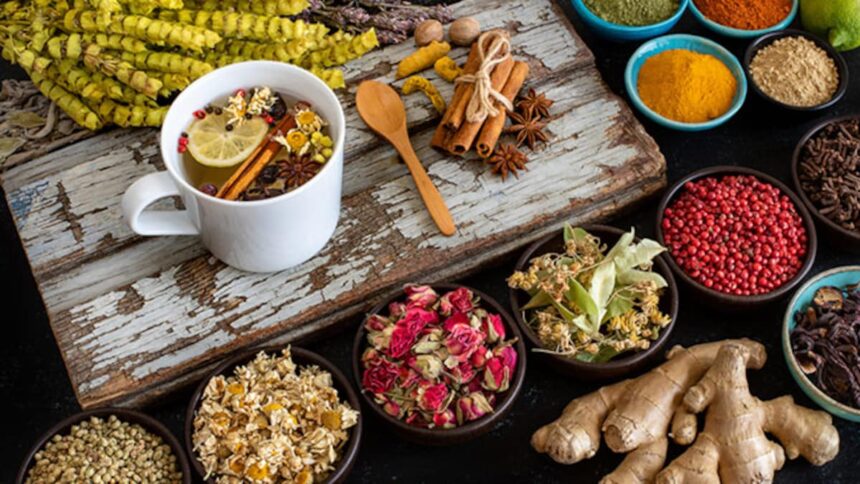
December 2025 has a familiar feel, darker mornings, packed diaries, and a quiet wish to stay well through winter. If you’re after simple, everyday habits, healing herbal tea recipes are hard to beat. They’re warm, calming, and easy to make with ingredients you can find in most shops.
When people say “immune boosting”, it’s easy to picture a magic shield. Real immune support is more down-to-earth: helping your body’s normal defences work well, by supporting rest, hydration, and comfort when you feel run down. Herbal teas can be part of that routine, but they don’t prevent or cure illness.
In this guide, you’ll get quick, tasty recipes for daily “maintenance” teas and a few short-term blends many people reach for at the first signs of a cold. Safety matters too, especially if you’re pregnant, breastfeeding, on medication, or managing blood pressure.
What makes a herbal tea “immune boosting”, and what it can (and cannot) do
A good “immune support” tea usually does a few practical things, rather than promising miracles:
- Hydration: your immune system doesn’t run well on empty. Warm fluids help you drink more.
- Antioxidants and plant compounds: Many herbs and teas contain polyphenols that support general health.
- Soothing: honey, ginger, and warm liquids can ease a scratchy throat.
- Comfort and recovery: better sleep and lower stress can support normal immune function.
This is why daily tea can feel like a small anchor during winter. It’s not a replacement for medical care, and it’s not a substitute for vaccines, prescribed medicines, or public health advice. If you want a clear, sensible overview of what “immune support” supplements can and can’t claim, the NIH Office of Dietary Supplements consumer fact sheet is a helpful reference.
A short checklist that gets better results than any “super tea”:
- Consistency: one to two cups most days beats a random mega-mug once a week.
- Sleep: aim for a steady bedtime; your immune system loves routine.
- Protein and plants: meals with protein, fruit, and veg give your body raw materials.
- Hand hygiene: tea helps comfort, and soap helps stop germs from spreading.
If you want ideas for which herbs are popular right now, this round-up of herbs and spices linked with immune support gives a good overview of what’s commonly used in home kitchens.
Smart tea basics for better results: steeping time, simmering roots, and flavour balancing
Most disappointing herbal tea comes down to timing. Use these simple rules:
Steep (infusion) for leaves and flowers
Most leafy herbs and flowers do best with a steep of 5 to 10 minutes. Cover your mug so the aromatic oils don’t escape with the steam.
Simmer (decoction) for roots and bark.
Roots like ginger and turmeric need more coaxing. Simmer them gently for 15 to 30 minutes for a stronger, rounder flavour. For the recipes below, you’ll see shorter simmer times because they’re meant for everyday use.
Add lemon and honey to the heart.t
Boiling can dull the bright taste of citrus and can damage some of honey’s delicate compounds. Stir them in after you turn the heat off.
Why black pepper pairs with turmeric
A small pinch of black pepper can help your body absorb turmeric’s key compounds more easily.
Flavour fixes that wo.rk
If your tea tastes flat or too sharp, try lemon, orange peel, honey, cinnamon, or mint. For green tea, use hot water that’s not quite boiling, and keep the steep short to avoid bitterness.
Safety first: who should be careful with echinacea, liquorice, turmeric, and strong blends
Herbal tea is still “active” in the body, especially when you drink concentrated blends daily.
Liquorice root: Regular use can raise blood pressure and affect potassium levels. Keep short-term, avoid it if you have high blood pressure, and don’t mix it casually into daily blends.
Echinacea: Some people use it at the first signs of a cold, but it may not suit everyone. If you have an autoimmune condition, you take immune-suppressing medication, or you’re prone to allergies (especially ragweed-family allergies), check with a clinician or pharmacist first.
Turmeric: Food amounts are fine for most people, but high intakes can interact with some medicines (including blood thinners) and may worsen reflux for some.
Elderberry: Use reputable dried elderberries or tea bags, and prepare properly. Avoid raw berries. If you’re curious about the common claims and cautions, this explainer on elderberry tea and immunity is a useful starting point.
If you’re pregnant, breastfeeding, taking regular medication, or managing long-term conditions, a quick chat with a pharmacist can save you hassle. The goal is comfort and support, not “stronger and stronger” brews.
Top healing herbal tea recipes for 2025 (easy, tasty, and beginner-friendly)
Each recipe below makes 1 large mug (about 300 ml). Scale up for a teapot if you like.
Lemon ginger immune tea (daily classic for warmth and comfort)
What it helps with: A warming daily cup that can soothe the throat and settle the stomach.
Ingredients
- 1 mug of water
- 6 to 8 thin slices fresh ginger (or 1 heaped tsp grated)
- 1 to 2 tsp lemon juice (or 2 lemon slices)
- 1 tsp honey (optional, don’t give honey to children under 1)
- Optional: 4 to 6 fresh mint leaves
Method
- Add water and ginger to a small pan.
- Bring to a gentle simmer, cook 8 to 15 minutes.
- Turn off the heat, add mint (if using), and cover for 2 minutes.
- Strain into a mug, then stir in lemon and honey.
Make it taste better: If it feels too “hot” on your throat, add a thin slice of orange or a pinch of cinnamon.
Turmeric ginger tea with black pepper (anti-inflammatory golden cup)
What it helps with: A cosy “golden” drink that supports comfort when you feel achy or worn out.
Ingredients
- 1 mug of water
- 4 to 6 thin slices of fresh ginger
- 1/2 tsp turmeric powder (or 4 thin slices fresh turmeric)
- 1 tiny pinch of black pepper
- Optional: 1 small cinnamon stick (or 1/4 tsp cinnamon)
- Optional: 30 to 60 ml milk or oat milk
Method
- Add water, ginger, turmeric, and cinnamon to a pan.
- Simmer gently 10 minutes, then turn off the heat.
- Stir in the black pepper.
- Strain into a mug, add a splash of milk if you want it softer.
Make it taste better: A small squeeze of lemon brightens the flavour, but add it off the heat so it doesn’t taste sharp.
Elderberry hibiscus tea (tart berry blend with a vitamin C feel)
What it helps with: A fruity, tangy cup that feels uplifting during “sick season”.
Ingredients
- 1 mug of water
- 1 tsp dried elderberries (or 1 elderberry tea bag)
- 1 tsp dried hibiscus
- Optional: 1 strip orange peel
- Optional: 1 tsp honey or maple syrup
Method
- Add water, elderberries, hibiscus, and orange peel to a pan.
- Simmer 8 to 10 minutes.
- Turn off the heat, cover for 2 minutes.
- Strain well into a mug, then sweeten if needed.
Make it taste better: If it’s too tart, add honey and a little more water. Keep elderberry blends short-term if you’re using them as an “extra support” tea.
Green tea with lemon and ginger (antioxidant daily booster)
What it helps with: A light daily tea with antioxidants and a gentle lift.
Ingredients
- 1 green tea bag (or 1 tsp loose-leaf)
- Hot water (not boiling, let the kettle sit 2 to 3 minutes)
- 2 thin slices of fresh ginger
- 1 tsp lemon juice (or 1 lemon slice)
Method
- Add ginger to your mug, and pour in hot water.
- Add the green tea bag, steep 3 to 4 minutes.
- Remove the tea bag (or strain), then stir in lemon.
Make it taste better: If it turns bitter, steep for less time. Matcha can work too, but keep caffeine in mind and stick to mornings or early afternoon.
Echinacea mint tea (short-term support at the first signs of a cold)
What it helps with: A short-term option some people use when they feel a cold coming on.
Ingredients
- 1 echinacea tea bag (or 1 tsp dried echinacea)
- 1 mug of boiling water
- 6 to 8 fresh mint leaves (or 1 tsp dried mint)
- Optional: 1 tsp lemon juice
Method
- Add echinacea and mint to a mug.
- Pour over boiling water, cover.
- Steep 8 to 10 minutes, then strain or remove the tea bag.
- Add lemon for a fresher taste.
Make it taste better: Mint does a lot of the work here. If echinacea tastes too “earthy”, add lemon and a small spoon of honey.
Who should check first: If you have autoimmune conditions, take immune-suppressing medicines, or have strong seasonal allergies, ask a pharmacist or clinician before using echinacea.
How to build an immunity tea routine in 2025 (without overdoing it)
A smart routine is steady and boring in the best way. Think of tea like brushing your teeth, a small daily act that supports the basics. You don’t need five “strong” herbs every day.
A few practical rules:
Rotate your heroes: Ginger one day, green tea the next, hibiscus on the weekend. Rotation helps you avoid leaning too hard on any single herb.
Watch caffeine: Green tea counts. If your sleep is fragile, switch to caffeine-free options after lunch.
Keep portions realistic: One to three mugs a day is plenty for most people. Strong concentrates can tip from helpful to irritating, especially for reflux.
Match the tea to the moment: A bright, tart tea can feel great in the afternoon, while warm ginger works better after meals.
If you’re taking medicines and want a more technical overview of interactions and evidence, the NIH Office of Dietary Supplements health professional fact sheet can help you frame questions for a clinician.
Simple weekly tea plan: daily base teas, then “extra support” teas when needed
Here’s an easy pattern that suits many people in winter:
- 3 to 4 days a week (daily basis): lemon ginger tea, or green tea with ginger.
- 1 to 2 evenings (wind-down): caffeine-free options, even plain mint is fine.
- Short-term only (extra support): echinacea mint tea for a few days at the first signs of a cold, or elderberry hibiscus during a run-down week.
Pay attention to your body. If you notice jittery sleep, heartburn, or headaches, simplify your routine and take a break from stronger blends.
Batch prep and storage: make-ahead simmered roots, freezer ginger cubes, and DIY tea jars
If weekdays are hectic, a little prep makes tea feel effortless.
Make a ginger concentrate (2 to 3 days)
Simmer a big handful of sliced ginger in water for 20 minutes, cool, then store in the fridge. Dilute with hot water when you want a mug, then add lemon and honey off the heat.
Freeze ginger “tea cubes.s”
Grate ginger, scoop n into an ice cube tray, top with water, and freeze. Drop a cube into a mug, add hot water, and steep for a few minutes.
Build a dry tea jar
Mix dried hibiscus with dried orange peel, store airtight away from heat and sunlight. Use a teaspoon per mug.
For food safety, cool concentrates quickly, keep them chilled, and bin anything that smells odd. Freshness matters for taste, too.
Conclusion
The best healing herbal tea recipes for 2025 aren’t exotic; they’re consistent. Ginger and lemon for daily comfort, turmeric with a pinch of black pepper when you want a golden cup, elderberry and hibiscus for a fruity short-term blend, green tea for antioxidants, and echinacea for brief “first sign” support.
Pick one daily tea you’ll actually drink, then choose one short-term option for weeks when you feel run down. Keep safety in mind, especially with blood pressure, pregnancy, and medication interactions. A steady routine, good sleep, and sensible habits will do more for immune support than any “miracle” mug.
Related News:
Exploring Thai Tea Culture in Chiang Rai, Thailand
4 Best Christmas Cafes in Chiang Rai 2025: Cozy Lights by the Kok River