



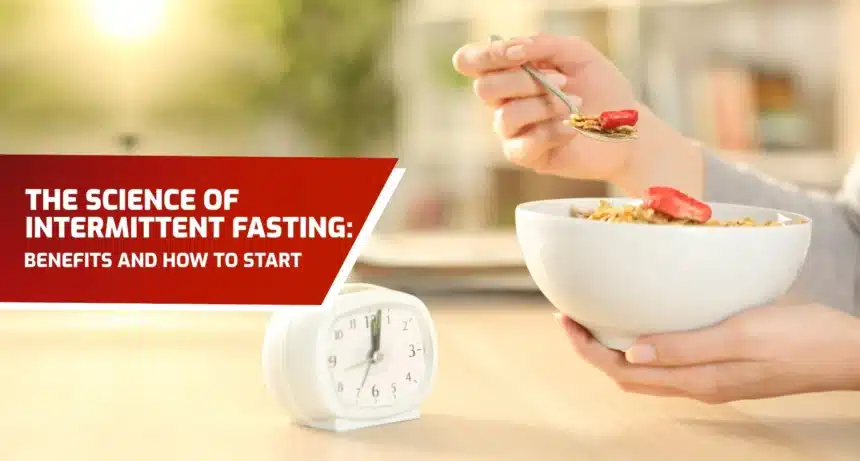
Intermittent fasting is an eating pattern that focuses on when you eat, not what you eat. Instead of constant snacks all day, you have a daily or weekly schedule that includes longer breaks from food.
People often use plans like the 16/8 method (16 hours fasting, 8 hours eating) or the 5:2 method (2 low‑calorie days each week). New studies in 2025 are exciting, but they also raise real questions about very short eating windows. This guide breaks down the science in clear language, covers 5 proven health benefits, and explains the risks so you can decide if intermittent fasting fits your life.
What Is Intermittent Fasting and How Does It Work in Your Body?
Intermittent fasting is a pattern where you cycle between eating and fasting on a regular schedule. You still aim for balanced meals, but you eat them in a set window instead of from morning to late night.
The basic science: From sugar burning to fat burning
After you eat, your body breaks down food into glucose, which enters your blood. Insulin helps move that glucose into cells for energy.
First, your body uses the “cash” in your wallet, the glucose in your blood. Then, over several hours, it taps into stored glycogen in your liver and muscles, which is like a small savings account. When that starts to run low, lower insulin levels during a fast make it easier for your body to reach deeper fat stores and burn them for fuel.
Autophagy and cell clean up in plain language.
During longer fasting periods, your cells switch on a process called autophagy. You can think of it as a clean‑up crew inside each cell.
Old or damaged parts get broken down and reused. Early research links this clean‑up to lower inflammation and maybe slower aging. Most strong evidence comes from animal studies, not long human trials, so scientists say intermittent fasting may help with healthy aging, but it is not a proven magic.
Why your body clock (circadian rhythm) matters with intermittent fasting
Your circadian rhythm is your internal 24‑hour clock. It tells your body when to feel awake, sleepy, hungry, or ready to digest.
Eating most of your food earlier in the day usually lines up better with this clock. Studies show late‑night eating can hurt blood sugar control and may raise heart risk over time. Some people follow “early time‑restricted eating,” such as eating between 8 a.m. and 4 p.m., which may support blood sugar, blood pressure, and weight management.
Common Intermittent Fasting Schedules: 16/8, 5:2, and Other Popular Patterns
Most people who try intermittent fasting stick with a few common patterns that fit real life.
16/8 time‑restricted eating: The most popular intermittent fasting method
In the 16/8 method, you fast for 16 hours and eat in an 8‑hour window, such as 10 a.m. to 6 p.m. or noon to 8 p.m.
People like it because it is simple and flexible. You often just skip late‑night snacks and maybe a very early breakfast. Research shows many people eat fewer calories without counting, which can help with weight and blood sugar. Newer studies in 2025, though, suggest going under an 8‑hour window might carry more risk, which we will cover in the risks section.
Typical 16/8 day:
- Black coffee or tea and water in the morning
- First meal late morning or at lunch
- Last meal early evening, then fast until the next day
5:2 intermittent fasting: Low‑calorie days twice a week
The 5:2 method means you eat normally 5 days per week. On 2 non‑consecutive days, you cut down to about 500 to 600 calories.
Some people like this style because most days feel “normal,” with only two tougher days. It can lead to weight loss similar to daily calorie cutting. People who struggle with binge eating, or who have big blood sugar swings, may find that very low‑calorie days trigger overeating later, so this method is not for everyone.
Other flexible options: 14/10, early eating windows, and why extremes are not better
Gentler patterns like 14/10 (14 hours fasting, 10 hours eating) work well for beginners. A common version is to eat from about 8 a.m. to 6 p.m.
Early time‑restricted eating may fit your body clock better and support heart health. Very long fasts or tiny eating windows, such as 20 hours fasting every day, can be stressful for the body if done without medical guidance. Over time, “sustainable and safe” beats “hard and extreme” for health and for your sanity.
5 Science‑Backed Health Benefits of Intermittent Fasting
Human studies up to 2025 show that intermittent fasting can help with many of the same things as regular calorie control and better food choices. A Harvard T.H. Chan School of Public Health overview on intermittent fasting also highlights these key areas.
Benefit 1: Easier weight loss and belly fat reduction
When you shorten your eating window, you often eat fewer total calories without trying. That alone supports weight loss.
Studies find that intermittent fasting can lead to weight loss similar to traditional low‑calorie diets. Some of the fat lost often comes from belly fat, which is linked to a higher risk of diabetes and heart disease. Lower insulin levels and less late‑night snacking help make this happen.
Benefit 2: Better blood sugar and insulin sensitivity
Intermittent fasting, especially with earlier meals, can improve how your body handles blood sugar. Cells may become more sensitive to insulin, so they need less to do the same job.
This can lower average blood sugar and may reduce the risk of type 2 diabetes. Anyone with diabetes or on blood sugar medicine should never start fasting without working closely with a doctor, because fasting can cause dangerous lows.
Benefit 3: Improved heart health markers (blood pressure and cholesterol)
Many studies show modest drops in blood pressure and better blood fats with intermittent fasting. Triglycerides often fall, and HDL, the “good” cholesterol, can rise.
These shifts likely come from weight loss, less late‑night eating, and possible changes in hormones. These are improvements in risk factors, not a cure for heart disease. You still need regular checkups, movement, and heart‑healthy foods.
Benefit 4: Less inflammation and oxidative stress in the body
Inflammation is like low‑level irritation in the body. Oxidative stress is extra “wear and tear” on cells. Both are tied to long‑term diseases.
Fasting can switch on cell clean‑up and may lower certain blood markers of inflammation. Early human and animal data suggest this might reduce long‑term disease risk, but we do not yet have large, long-term studies to prove strong protection.
Benefit 5: Possible brain and healthy aging support
Animal studies and small human trials link intermittent fasting to sharper thinking, better mood, and protection of brain cells. Lower inflammation, steadier blood sugar, and changes in brain growth factors may all play a part.
Scientists are excited but cautious. It is far too early to say intermittent fasting can prevent dementia or extend life by many years, but it might support brain health when paired with overall healthy habits.
Real Risks and Side Effects of Intermittent Fasting You Should Not Ignore
Intermittent fasting has real downsides, especially with extreme schedules or for people with health problems. A 2025 nutrition review on intermittent fasting and cardiovascular risk and a 2024 American Heart Association analysis both raise concerns about very tight eating windows.
Short‑term side effects: Hunger, low energy, and sleep changes
In the first 1 to 3 weeks, many people feel strong hunger waves, headaches, and mood swings. Some report poor focus or trouble falling asleep.
For others, these symptoms fade as hunger hormones adjust. Some people never feel good on fasting, and that is important to respect. Drinking water, choosing high‑fiber foods when you eat, and easing in slowly can soften the start.
Risk of muscle loss and slower metabolism if you fast the wrong way
Fast weight loss without enough protein or strength training can cost you muscle. Less muscle can lower your resting metabolism and make it easier to regain fat later.
To protect muscle, include protein in each meal, such as eggs, fish, beans, or tofu. Add resistance exercise a few times per week, even simple body‑weight moves like squats and push‑ups.
Heart risks with very short eating windows: What 2024 research found
An American Heart Association study of more than 20,000 adults found that people who ate all their food in under 8 hours a day for years had a higher risk of dying from heart problems than those who ate over 12 to 16 hours. The risk was higher in people with existing heart disease or cancer.
This was an observational study based on surveys, so it cannot prove cause. Still, it suggests very tight eating windows may not be a smart long‑term choice. Many experts now recommend moderate windows, like 10 to 12 hours of eating, instead of extreme patterns.
Who should avoid intermittent fasting or talk to a doctor first
Intermittent fasting is not safe for everyone. People who should avoid it or get medical help first include:
- Pregnant or breastfeeding people
- Children and teens are still growing
- Anyone with an eating disorders history
- People with type 1 diabetes or on certain blood sugar or blood pressure drugs
- People who are underweight or frail older adults
- Those with serious heart, kidney, or other complex medical problems
If you have health issues, talk with a doctor or dietitian before you change how you eat.
How to Try Intermittent Fasting Safely and Build a Plan That Fits Your Life
If you are healthy and curious, you can test intermittent fasting in a gentle, flexible way.
Start small: Easing into intermittent fasting without shocking your body
Begin by cutting late‑night snacks and aiming for a simple 12‑hour overnight fast, such as 7 p.m. to 7 a.m.
After a week or two, you can move breakfast an hour later or dinner an hour earlier. Slowly work toward a 14/10 or 16/8 pattern if you still feel good. Listen to your hunger, mood, and energy instead of forcing a strict schedule.
What to eat during your eating window for steady energy and health
Intermittent fasting works best with quality food. Focus on: whole grains, fruits, vegetables, lean protein, beans, nuts, seeds, and healthy fats like olive oil.
Try not to treat the eating window as a free‑for‑all for junk food. Balanced meals help control hunger, protect muscle, and support blood sugar. During the fast, stick with water, black coffee, or unsweetened tea.
Warning signs that intermittent fasting is not right for you
Stop or loosen your fasting plan if you notice: dizziness, fainting, extreme hunger that never eases, binge eating, a big drop in mood, missed periods, or constant thinking about food.
These are red flags that your body or mind is under stress. Health matters more than any eating trend. There is no shame in deciding that intermittent fasting is not your best fit.
Conclusion
Intermittent fasting can support weight, blood sugar, and heart markers, and it may help lower inflammation and support healthy aging. At the same time, extreme schedules and very short eating windows may carry real heart and nutrition risks, especially for people with existing health problems.
Think of intermittent fasting as one tool, not a magic fix. Food quality, sleep, stress, and movement still carry huge weight for your long‑term health. If you are curious, start gently, talk with a health professional if you have any medical concerns, and choose habits you can live with for years, not just weeks.