



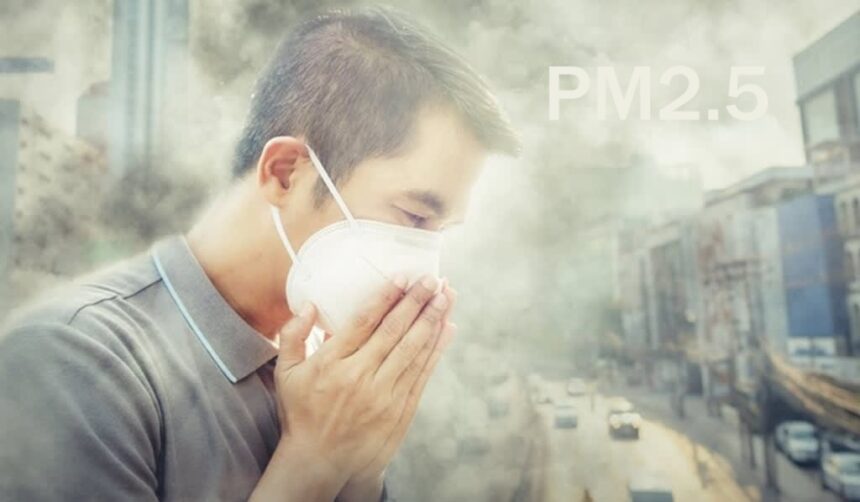
CHIANG RAI – The Thai Meteorological Department has issued a new warning for people across upper Thailand, saying air quality may worsen as PM2.5 levels rise. At the same time, the weather is set to turn warmer over the next week.
In its latest seven-day outlook released today, the department says temperatures will increase from 26 to 31 January 2026. The warmer spell will ease the recent chill, but it can also mean poorer airflow and more pollution building up near the ground.
Warmer weather on the way, temperatures to rise by 1 to 4°C in the North
The Thai Meteorological Department (TMD) says a weakening high-pressure system over upper Thailand will bring a temperature lift of around 1 to 4°C in many areas, with the biggest changes expected in the North, between 26 and 31 January.
Mornings will still feel cool to cold, with minimum temperatures around 14 to 20°C in the North. Fog or mist is also likely in valleys and other low-lying areas.
Afternoons, though, will feel much warmer. Some places could see daytime highs of about 29 to 33°C, which is a clear step up from the cooler periods earlier this month.
The TMD forecast adds that parts of central Thailand and the upper South will also turn milder. Even so, upper Thailand is expected to warm the most, including well-known northern provinces such as Chiang Mai, Chiang Rai, Lampang, and Phitsanulok. This comes after several cold spells in late January, when temperatures dipped into the teens. Winter is easing, but cool mornings are still on the cards.
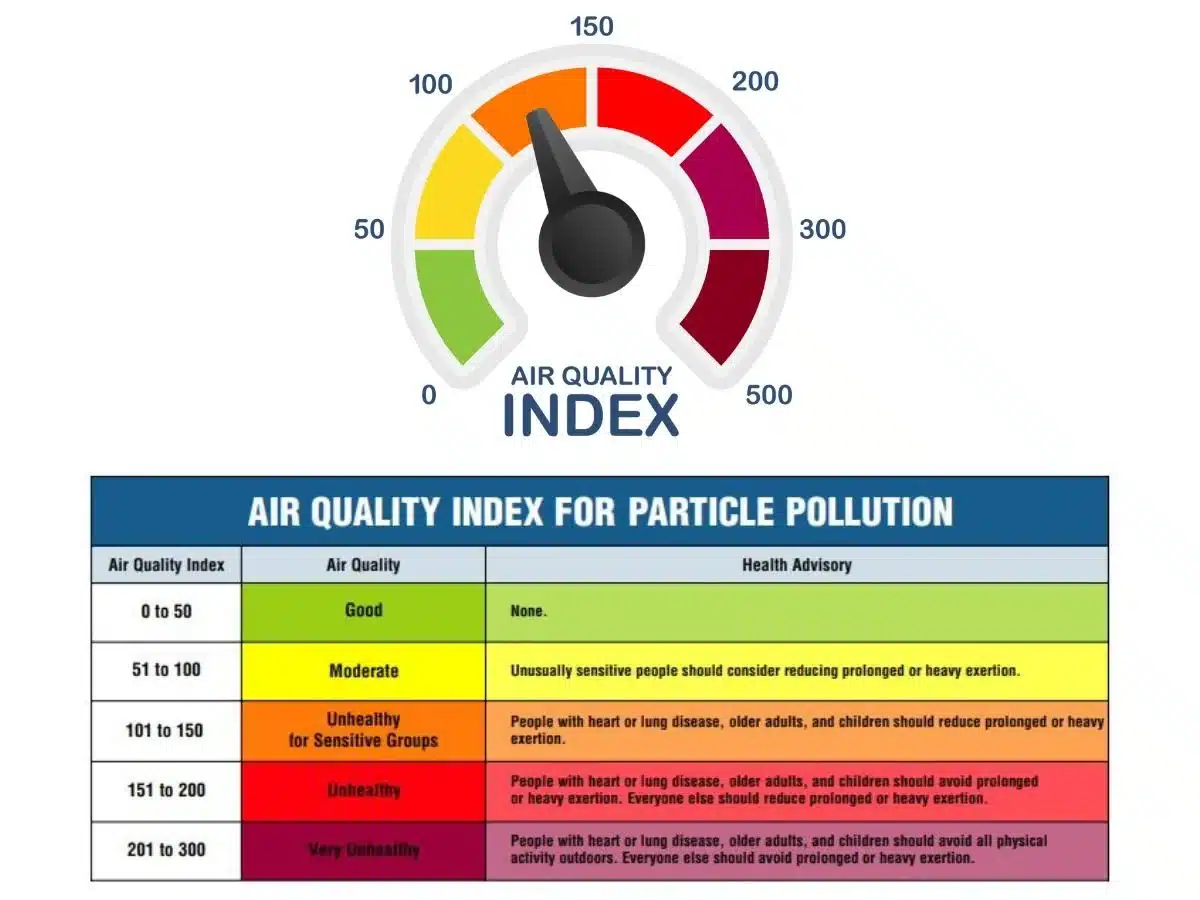
PM2.5 levels may increase
The warmer pattern also lines up with weather conditions that can push PM2.5 higher. Light winds, morning temperature inversions, and limited air movement can stop fine particles from dispersing.
The department warned that these factors could lead to higher PM2.5 levels, mainly in towns, cities, and industrial areas in the North, and in parts of the Central Plains.
Recent readings have already shown problem areas. Air quality in mid-January varied across Thailand, with Bangkok and nearby provinces seeing unhealthy levels on some days. The latest outlook suggests these pollution episodes could continue, or worsen, towards the end of the month.
Northern areas such as Chiang Mai, which often face seasonal haze linked to agricultural burning and cross-border smoke, may be hit harder if the air stays still. When ventilation drops, smoke, exhaust fumes, and dust can linger close to the ground for longer.
The Pollution Control Department and local agencies have repeated the TMD warning and asked the public to stay alert. In Bangkok, where PM2.5 has sometimes reached orange-alert levels this winter, officials have again encouraged people to cut back on open burning and reduce vehicle use during high-risk days.
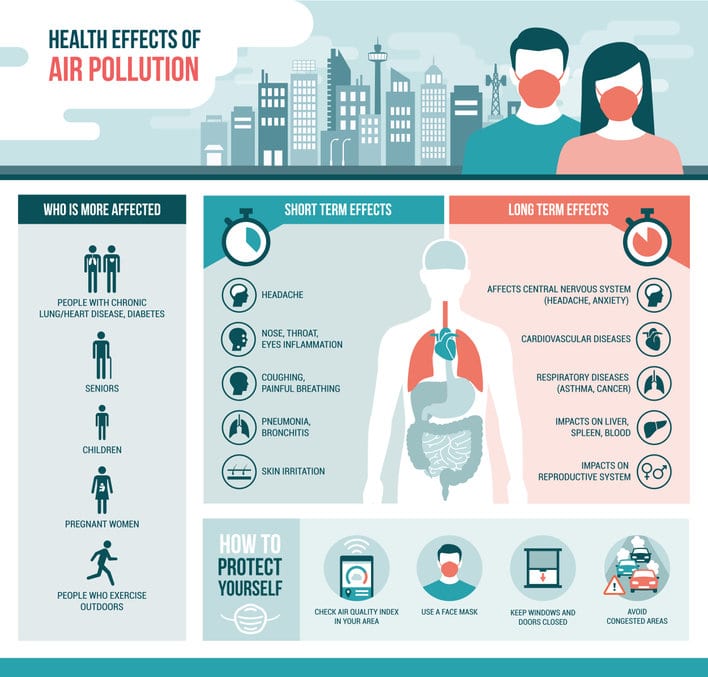
Health advice, extra care for people most at risk
Health authorities are urging extra caution for those who are more sensitive to air pollution. This includes older adults, young children, pregnant women, and people with existing health conditions such as asthma, long-term bronchitis, or heart disease.
PM2.5 particles are small enough to enter deep into the lungs and may also enter the bloodstream. This can irritate airways, trigger asthma symptoms, and raise the risk of heart problems.
Doctors often recommend these steps when air quality drops:
- Cut down on time outdoors, especially heavy exercise, during early mornings and evenings when fog and pollution can be worse.
- Wear an N95 or KN95 mask outside if air-quality readings are above safe levels.
- Keep indoor air cleaner by closing windows when pollution is high and using air purifiers with HEPA filters.
- Check real-time air-quality updates through official Pollution Control Department apps or services such as IQAir.
Hospitals in large northern cities often see more people with breathing issues during severe PM2.5 periods. That’s why public messages also keep stressing the basics: avoid open burning, skip smoky outdoor cooking, and limit non-essential car journeys when pollution levels climb.
Thailand’s dry-season pollution is linked to several sources. These include vehicle emissions, construction dust, and factory output, along with smoke from crop burning in Thailand and nearby countries. Authorities have increased checks and enforcement on burning bans and promoted cleaner options for farmers. Even so, cross-border haze continues to be hard to control.
This week’s forecast is a reminder that warmer weather doesn’t always mean cleaner air. As Thailand moves from the coldest part of winter towards warmer conditions in February, people in the North and Central regions should keep an eye on TMD updates and air-quality bulletins. With misty mornings and hotter afternoons expected, the mix of rising temperatures and trapped pollution could make the days ahead uncomfortable for many.