


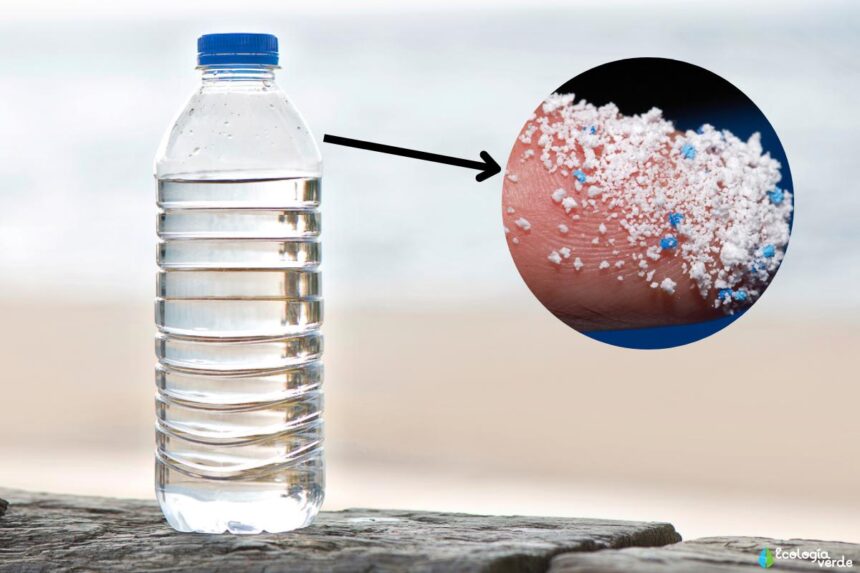
Imagine pouring a glass of clear water that quietly carries thousands of tiny plastic pieces you cannot see. That is now normal across much of the world. Studies in 2025 report that about 94% of U.S. tap water samples contain plastic particles, and bottled water often has far more, with some brands averaging around 94 particles per liter.
These tiny pieces, called microplastics in our water, are not just an ocean problem or a distant pollution story. They are in tap water, bottled water, rivers, lakes, rain, and even the air in our homes. They raise questions about long‑term health and about the safety of the ecosystems that feed us.
Microplastics are small plastic bits, usually smaller than a sesame seed, that break off from bottles, bags, clothing, tires, and many other products. Even smaller pieces, called nanoplastics, are closer in size to a virus or a red blood cell.
This article takes a clear, science‑based look at how these particles get into water, what we know about health risks, how they harm wildlife, and simple steps you can take. It also connects microplastics to other water problems, like chemical and heavy metal pollution in rivers that local outlets such as Chiang Rai Times have covered in their health reporting.
What Are Microplastics in Our Water and Where Do They Come From?
Microplastics are plastic fragments, fibers, and beads smaller than 5 millimeters. That is about the size of a pencil eraser or less. Nanoplastics are far smaller, under 1 micrometer, so you cannot see them even with a simple microscope.
These particles come from everyday items that slowly break apart. Sunlight, heat, and friction turn big plastic items into tiny pieces that do not go away.
Microplastics vs Nanoplastics: Tiny Pieces With Big Impact
Think of a grain of sand. Many microplastics are that size or smaller. A human hair is about 70 micrometers thick. Nanoplastics can be hundreds of times thinner than that, closer to the size of a red blood cell, or even smaller.
Scientists worry more about the smallest particles. Because they are tiny, nanoplastics can slip through the gut wall, enter the bloodstream, and move into organs. They can cross barriers that usually protect the brain, lungs, and placenta. In simple terms, the smaller the plastic, the easier it can sneak past the body’s defenses.
How Microplastics Get Into Tap Water and Bottled Water
There are several main paths from plastic to your glass:
- Shedding from bottles and caps: Each time water sits in a plastic bottle, tiny bits can flake off the bottle wall and cap.
- Breaking down in rivers and reservoirs: Trash tossed on streets or into rivers wears down and releases microplastics that flow toward water treatment plants.
- Escaping wastewater treatment: Treatment plants catch many larger particles, but some smaller fragments and fibers slip through and end up in rivers or lakes used for drinking water.
- Falling from the air and rain: Microplastics now fall from the sky, carried by wind and rain, and land in lakes, rivers, and reservoirs.
In 2025 reviews, tap water in the U.S. and many other countries almost always contains some microplastics, but usually at lower levels than bottled water. People who drink mostly bottled water can swallow up to 90,000 extra particles per year compared with tap water drinkers.
For a deeper scientific breakdown of sources, removal, and risks, a recent review on microplastics in drinking water summarizes dozens of studies.
Not Just Oceans: Microplastics in Rivers, Lakes, and Local Waterways
Most photos of plastic pollution show distant oceans, but the problem starts much closer to home. Microplastics build up in:
- City rivers that carry stormwater and trash
- Lakes that store drinking water or support fishing
- Canals and irrigation systems that support farming
Local news and research on contaminated rivers often focus on chemicals and heavy metals. Microplastics can make these problems worse because they can carry those substances on their surface. When a river is already stressed by mining runoff or factory waste, plastic fragments turn it into a moving mix of chemicals, metals, and plastics that can reach crops, fish, and people.
Health Risks of Microplastics in Our Water: What We Know So Far
Scientists are racing to understand what microplastics do inside the body. The message from 2025 research is careful but serious: the risk is real, even if every detail is not yet clear.
We know these particles reach our organs. We know they can cause harm in lab animals and cells. We do not yet know the exact “safe” level for people, or how much is too much over a lifetime.
A thorough scientific review, Micro‑ and Nano‑Plastics in Drinking Water: Threat or Hype?, explains that the weight of evidence points toward concern, especially for nanoplastics.
How Much Microplastic Are We Actually Drinking and Breathing In?
Researchers estimate that many people swallow 39,000 to 52,000 microplastic particles per year from food and drinks alone. Air adds more, since we also breathe in fibers from carpets, clothes, and dust.
Bottled water is a major driver. If you drink several bottles a day, your yearly intake can climb sharply, adding tens of thousands of particles. Tap water, especially when filtered, usually adds far fewer.
Your habits matter:
- If you mostly drink filtered tap water from a glass, your intake is on the lower end.
- If you mostly drink unfiltered tap water from plastic cups or bottled water, your intake is on the higher end.
Where Microplastics Go in the Body and Why Size Matters
Recent studies have found microplastics and nanoplastics in:
- Blood
- Lungs
- Placenta and breastmilk
- Brain and heart tissue
Picture your body as a house with many locked doors. Large plastic pieces get stuck at the front door, like in the gut or lungs. Tiny particles act like fine dust that slips under the door or through small cracks.
Nanoplastics can cross the gut wall, move into blood vessels, and travel to organs. Once there, they may stay for a long time, a process called bioaccumulation. That slow build‑up raises concern about long‑term health effects.
Potential Health Problems Linked to Microplastics Exposure
Studies in cells, animals, and early human data suggest several problem areas:
- Inflammation and immune stress: Microplastics can irritate tissues and trigger swelling in the gut, lungs, and blood vessels. Over time, that kind of chronic inflammation can set the stage for many diseases.
- Hormone and reproductive issues: Plastics often carry additives that act like hormones. Research links exposure to lower sperm quality, fertility problems, and disrupted menstrual cycles.
- Heart and blood vessel risks: Some 2025 work shows microplastics in blood and artery walls, raising the risk of clots, heart attacks, and strokes in lab animals.
- Cancer and organ damage: In cell studies, microplastics can cause DNA damage and cell death, which could raise cancer risk. Animal studies show changes in liver, kidney, and gut tissue.
- Brain and nerve effects: Tiny particles that reach the brain may cause cell stress and changes in brain chemistry, which could relate to conditions like Parkinson’s or other nerve diseases.
A recent overview in Nature on the health impacts of microplastic and nanoplastic exposure outlines how these particles can cross cell barriers and affect many organs.
What Scientists Still Do Not Know About Microplastics and Health
There are still big questions:
- What levels are “low,” “medium,” or “high” exposure for people?
- Which shapes (fibers vs fragments) and sizes are most harmful?
- How long do microplastics stay in specific organs?
- How do lifetime exposures from water, food, and air add up?
Lab studies often use higher doses than people currently get. Real‑world exposure is lower but constant and lifelong. That gap makes it hard to set clear safety limits.
Because of this, health agencies in the U.S., EU, and other regions are moving toward better monitoring of microplastics in drinking water and more standard test methods. The goal is to reduce exposure while the science catches up.
Environmental Risks: How Microplastics in Water Harm Wildlife and Ecosystems
Microplastics do not just pass through rivers and oceans. They reshape the living systems we depend on. When tiny plastic pieces enter the food web, they can hurt the smallest creatures as well as the largest predators.
This damage loops back to people through seafood, farming, and drinking water.
Fish, Plankton, and Other Aquatic Life Mistake Plastic for Food
Zooplankton, the tiny animals that float in water, often eat microplastics because they look and move like their normal food. Small fish then eat those plankton, and bigger fish eat the small fish.
Researchers have found:
- Stomachs filled with plastic instead of real food
- Slower growth and weight loss
- Lower energy and weaker swimming
- Strange behavior that makes animals easier targets for predators
When enough animals in a river or lake are weak or sick, the entire system suffers. Fish populations drop, water quality falls, and local fishing communities lose income and food sources.
Toxic Hitchhikers: Chemicals and Germs That Ride on Microplastics
Plastic pieces act like tiny rafts for other pollutants. They can soak up:
- Heavy metals, like lead and mercury
- Long‑lasting industrial chemicals
- Pesticides and oil
Levels of these chemicals on plastic can be much higher than in the surrounding water. Microplastics also grow slimy layers called biofilms, where bacteria and other germs can live and move.
In rivers that already face heavy metal and chemical contamination, like those reported by Chiang Rai Times and other outlets, microplastics can carry that toxic mix downstream. Fish, shellfish, and even farm fields that use polluted water can then receive a dose of both plastic and chemicals at once.
From Water to Plate: Microplastics in the Food Chain
Once microplastics enter the food web, they tend to move upward:
- Plankton eat plastic.
- Small fish and shellfish eat plankton.
- Larger fish, birds, and marine mammals eat smaller animals.
- People eat seafood that may contain plastic fragments.
Studies often find microplastics in shellfish, small fish, and even table salt. That means people who live far from the coast are still connected to polluted rivers and seas by what they eat.
Ecosystem Damage: Why Microplastics Threaten Water Quality Long Term
Microplastics sink and settle into riverbeds, lake bottoms, and coastal sediments. There they can stay for decades, slowly breaking into even smaller pieces.
This long‑lasting pollution:
- Makes it harder for bottom‑dwelling animals to feed and dig
- Changes the way sediments trap nutrients and chemicals
- Reduces overall water quality
- Increases treatment costs for cities that draw drinking water from these sources
Microplastics are not a short‑term spill. They are more like a slow leak that never stops, constantly adding stress to already fragile ecosystems.
What You Can Do About Microplastics in Our Water: Practical Steps at Home and in Your Community
The scale of this problem can feel overwhelming, but personal and local actions really do matter. You can lower your own exposure and cut your share of plastic pollution while also pushing for broader change.
Cutting Your Own Exposure: Everyday Habits That Make a Real Difference
Simple steps add up:
- Choose tap water when it is safe: Use a reusable glass or stainless steel bottle. This cuts both microplastic intake and plastic waste.
- Avoid heating food in plastic: Heat releases more plastic particles and chemicals into food. Use glass or ceramic for microwaving.
- Store food in glass or stainless steel: Replace worn plastic containers over time with more durable options.
- Use fewer single‑use plastics: Say no to extra bags, straws, and disposable cutlery when you can.
- Pick natural fibers when possible: Cotton, wool, and linen shed fewer persistent microfibers than polyester or acrylic.
Each of these choices lowers both your personal intake and the amount of plastic that can break apart in the environment.
Do Water Filters Really Help With Microplastics?
Some home filters can cut microplastics sharply, but not all work the same.
Good options include:
- Reverse osmosis systems: These use a fine membrane that removes very small particles, including many microplastics and some nanoplastics.
- Ultrafiltration systems: These use hollow fibers that trap small particles from tap water.
Basic carbon‑only pitchers improve taste and remove some chemicals, but may not catch the smallest plastic pieces. When shopping for a filter:
- Look for a stated particle size, ideally in the 0.1 to 1 micrometer range.
- Check for independent testing or certification for microplastic removal.
- Keep filters clean and replace cartridges on schedule.
Independent reviews, like this guide to water filters for microplastics, can help you compare real‑world performance.
Reducing Microplastics at the Source: Laundry, Tires, and Plastic Waste
Many microplastics in rivers and air come from three big sources: synthetic clothing, tires, and everyday plastic trash.
You can cut them by:
- Washing synthetic clothes less often and on cooler, gentler cycles. Use a microfiber‑catching bag or filter in your washing machine.
- Driving less where possible, combining trips, and keeping tires properly inflated to reduce wear.
- Keeping plastic items in use longer, then recycling or disposing of them correctly, so they do not break down outdoors.
Small shifts in many homes can significantly reduce the total load of microplastics entering local waterways.
Why Local Monitoring and Stronger Rules Matter
Personal steps help, but they cannot replace good public policy. Regular testing of rivers, lakes, and drinking water lets communities see problems early and act faster.
In 2025, several U.S. states pushed the federal government to track microplastics in drinking water, as reported in this summary of seven states calling for federal monitoring. The European Union and other regions are also building monitoring programs and considering new rules for plastic use and wastewater treatment.
You can support similar efforts by checking your local water quality reports.
- Asking local officials how they test for microplastics and related pollutants.
- Supporting policies that cut single‑use plastics and fund better water treatment.
- Backing journalism and community groups that track river and drinking water contamination.
Good data and clear rules help keep both people and ecosystems safer.
Conclusion
Microplastics in our water are no longer a future concern. They are already in tap water, bottled water, rivers, lakes, and the food chain. Research from 2025 shows growing links between these tiny particles, human health, and long‑term environmental damage, even as scientists still work to fill in the details.
The picture is serious, but not hopeless. By drinking more tap and less bottled water, using better filters, cutting plastic waste, and washing synthetic clothes more gently, you lower your own exposure and your contribution to the problem. By supporting strong monitoring of rivers and drinking water, you help your community make smarter decisions.
Clean water is at the heart of a healthy future for both people and the planet. The next glass you pour can be the start of a new habit, and many small habits together can shift the story on microplastics in our water.