



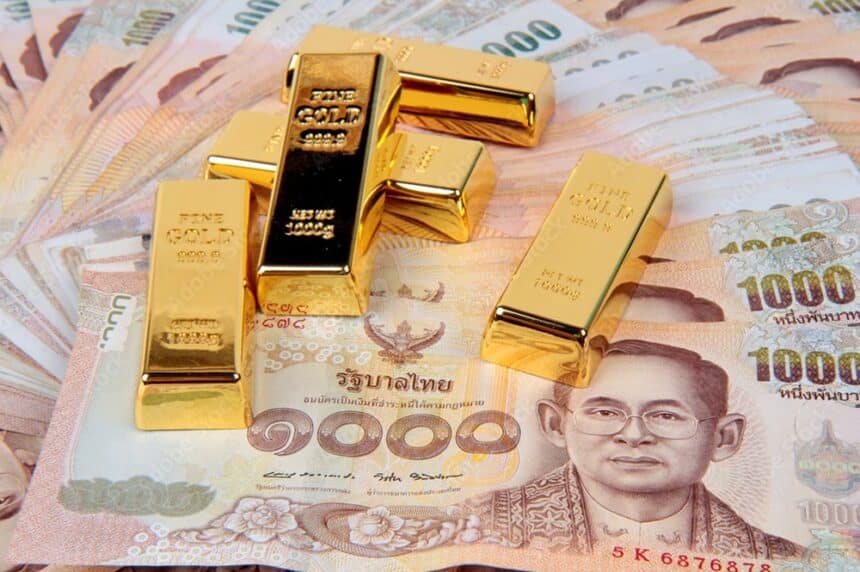
Thailand’s central bank is tightening oversight of Bank of Thailand gold trading rules for a simple reason: big gold-related money flows can push the Thai baht higher, and a stronger baht can squeeze exporters.
This post explains what’s confirmed, what still looks pending, who is most affected, and what practical steps matter now. It’s written for readers in Thailand who track the baht and gold, and it’s not investment advice.
The key idea is easy to picture: even when the headline is “gold,” the pressure often comes from the currency side, when large settlements move in and out of baht.
What’s confirmed (and what’s still pending) about the Bank of Thailand gold trading rules
Rules change fast in a strong-currency moment, and rumors spread faster. That’s why it helps to separate measures confirmed by official notices from those reported, expected, or under review.
As of late January 2026, confirmed items include tighter reporting and record-keeping for large gold traders under the Bank of Thailand’s currency exchange framework, published in the Royal Gazette and effective immediately (based on publicly reported official notice dates). Separate measures focused on online channels have also been reported with near-term start dates, but the details should be treated carefully until the final notice and compliance guidance are in hand.
For verification, the safest sources are Bank of Thailand communications, Royal Gazette publications, and any formal implementation guidance shared with regulated firms.
Confirmed so far: tighter reporting and stronger record keeping for large gold flows
The confirmed direction is clear: more transparency for very large gold traders whose activity can trigger large baht inflows or foreign-exchange pressure.
Based on published rule summaries, the core confirmed requirements include digital reporting of gold transactions, the ability for the central bank to request extra details on a case-by-case basis, and a record retention period of at least 3 years. The focus is on traders with an annual turnover above a very high threshold of 10,000 million baht (10 billion baht).
Still pending or under review: possible extra controls and limits (what to watch, not what to assume)
“Under review” usually means the central bank is still drafting, consulting, and setting operational details like timing, scope, and reporting formats. It can also mean the policy goal is set, but the plumbing (forms, systems, definitions) is still being built.
Some media reports have discussed tighter controls on certain online gold trading channels, including possible limits. Until final notices are issued, it’s better to watch for signals that confirm a change:
- An official notice with a clear scope (who is covered, which channels)
- An effective date and transition period (if any)
- Compliance guidance for platforms, traders, and banks (formats, timelines, enforcement)
What the new Bank of Thailand gold trading rules require (plain-English checklist)

Photo by Robert Lens
Below is a plain checklist of the requirements that have been publicly described as part of the tightened oversight for large gold flows. This is written from a business-process perspective, not a legal summary.
- Digital reporting of gold transactions: Large gold traders may need to submit transaction details through a Bank of Thailand electronic channel, in a format set by the competent officer.
- Extra details on request: The central bank can request additional information when needed. Examples (illustrative only) could include counterparty details, settlement currency, trade date versus settlement date, timing of conversions, and stated purpose of the transaction.
- Record retention for 3 years: Supporting documents must be kept accurate and accessible for at least 3 years for potential inspection.
- Who is targeted: The focus is on large traders, including importers and exporters, with an annual trading value threshold of 10,000 million baht.
Scope matters. These measures are designed around systemically large flows and platforms, not everyday retail buyers walking into a neighborhood gold shop, unless later guidance explicitly says otherwise.
How digital reporting works in real life (what firms may need to prepare)
Digital reporting usually means turning what used to be scattered across invoices, chat logs, bank slips, and trade tickets into a consistent set of fields a regulator can read and compare.
For firms, the practical work often includes aligning trade data with settlement data, reconciling amounts in baht and foreign currency, and building an audit trail that staff can explain months later. Data accuracy matters because inconsistent timestamps, mismatched counterparties, or unclear purposes can trigger follow-up questions.
Which traders are targeted, and why the threshold matters
A 10 billion baht annual threshold signals that the policy is aimed at market-moving scale, not ordinary consumer demand. The goal is to identify flows big enough to shift liquidity and exchange rates.
Smaller shops and typical retail customers may see fewer direct changes. But they can still feel indirect effects if platforms and banks tighten their own checks, or if settlement routes change to meet reporting expectations.
Why gold trading can move the baht (an everyday example you can picture)
Gold is a physical product, but the pressure point is often the money transfer behind it.
Imagine a large dealer sells gold abroad, receives payment in foreign currency, then converts those proceeds into baht to pay local costs. That conversion increases demand for baht, and if it happens on a large scale, it can support a stronger currency.
The reverse can happen too. If a dealer imports gold, it may need to buy foreign currency to pay overseas suppliers. That creates foreign-exchange demand in the opposite direction. The key term is settlement, which refers to the actual payment movement that completes a trade. When those settlements are large and frequent, they can look like big currency trades.
The short version: settlement flows can look like big currency trades
Even if the story is “gold,” the money often moves through banks and foreign exchange markets. That is why the central bank watches gold-related flows alongside other cross-border and baht-denominated activity.
Public discussion of these steps has picked up as the currency strengthened; for background on how the topic has been covered, see Thailand tightens controls on gold trading.
Why a stronger baht worries exporters (and why the BOT pays attention)
Exporters often earn revenue in foreign currency, but many costs are in baht. When the baht rises, converting export revenue back into baht can yield fewer baht for the same shipment price, unless pricing or hedging offsets the effect.
That doesn’t mean every exporter loses, or that the baht only moves because of gold. It means the central bank has a reason to reduce surprise flows that can amplify short-term currency swings.
Who is affected, and what could change for each group
Gold is part of daily life in Thailand, from savings to weddings. But these controls are not aimed at the average person buying a small necklace. The heaviest operational impact falls on the entities that move the biggest volumes.
For readers tracking broader market stress, Chiang Rai Times has also covered Thailand’s gold market faces record-high prices and declining sales, which provides useful context on how price swings hit small retailers.
Large gold traders and trading platforms: more reporting, more audit-ready records
Large traders and platforms may face more compliance work: digital reporting routines, faster responses to information requests, and stricter internal checks around settlement routes.
Some firms may slow onboarding or tighten customer verification (KYC) as they standardize records. The biggest operational shift is often not the reporting itself, but the need to keep transaction narratives consistent across trading, payments, and accounting systems for 3 years.
Banks and brokers: closer monitoring of settlement and FX-related activity
Banks sit in the middle of settlement flows. When reporting duties tighten, bank compliance teams often ask for clearer documentation for unusually large or frequent gold-related transfers.
In practice, “extra details on request” can show up as follow-up questions about trade documents, counterparties, and why a transfer pattern changed. That can be frustrating, but it’s also how oversight works when flows are large enough to affect the currency market.
Exporters and importers (indirectly): what to watch if the baht reacts
Exporters and importers aren’t direct targets, but they care about baht movements. If improved visibility reduces sudden gold-related surges, short-term volatility could ease, but nothing is guaranteed.
What matters week to week is practical: spot rates, your bank quotes, hedging costs, and the timing of invoice conversions. When liquidity feels thin, spreads widen, and costs rise.
Ordinary retail gold buyers: what may change, and what may stay the same
For typical retail buyers, there is no clear sign that small purchases must be reported to the central bank. Most people may see little change in day-to-day buying.
Still, some buyers may notice more ID checks on certain platforms, more detailed receipts, or brief friction during sharp price moves. Those are often platform or bank policy choices layered on top of regulation.
For reporting on online-channel measures, see restrictions on online gold trading starting January 29 (details should be confirmed against final official notices).
What this could mean for the baht (realistic expectations, not predictions)
These steps are best viewed as transparency and control tools, not a switch that “fixes” the currency. Strong oversight can help policymakers see where pressure builds, reduce surprise flows, and respond with better-timed actions.
But the baht still moves for many reasons: interest rates, tourism receipts, trade balances, global risk sentiment, and how investors price Thailand versus peers. Some analysts have also questioned how much gold-specific steps can change the bigger picture; see controls seen having limited impact on baht.
What to watch week to week: volatility, spreads, and liquidity signals
- Volatility: how fast the baht moves within a day or week. Higher volatility raises hedging costs.
- Spreads: the gap between buy and sell rates from banks or platforms. Wider spreads often mean lower confidence or thinner liquidity.
- Liquidity: how easily large amounts can be exchanged without moving the price. When liquidity is tight, intraday swings can look sudden and outsized.
These signals appear in ordinary places, such as bank quote sheets, platform conversion rates, and the baht amount received when invoices are converted.
What to do if you trade gold in Thailand (safe, practical checklist)
This checklist fits businesses, active traders, and serious retail users who use online platforms. It focuses on staying organized and calm, even when the policy news cycle is loud. It’s not financial advice and doesn’t replace legal or compliance guidance.
- Confirm whether a platform or counterparty is preparing for tighter reporting, and how it will affect settlement timing.
- Keep clean records for each trade, even if the platform stores some of them.
- Don’t assume “pending” measures are active until an official notice confirms the scope and start date.
- Watch Bank of Thailand updates and any Royal Gazette announcements tied to currency exchange rules.
For wider monetary policy context, Chiang Rai Times has also reported on how the BOT’s interest rate cut could affect the Thai economy, which helps explain why the central bank balances growth, exports, and currency stability.
Quick compliance hygiene: records to keep and questions to ask your provider
A simple habit helps most: store the same facts in the same way every time.
Records worth keeping (in plain terms) include timestamps, trade amount and price, fees, settlement method, bank transfer references, and receipts or confirmations. If relevant to your role, keep counterparty details and the settlement currency used.
Questions to ask a platform or provider include: How will reporting work? What timelines apply? How long are records stored? And where to get support if a bank asks for additional documentation.
FAQ: Bank of Thailand gold trading rules and baht impact
Why is the Bank of Thailand regulating gold trading?
Because large gold-related settlements can create big currency flows. Those flows can put pressure on Thai baht appreciation, which could hurt export competitiveness.
Will this lower the baht?
No one can promise that. Oversight may reduce surprise flows and improve market transparency, but the baht is driven by many forces beyond gold.
Does this affect gold prices in Thailand?
Local gold prices depend on global gold prices, the USD-THB rate, and local premiums. These reporting rules primarily focus on settlement and transparency, not retail price setting.
Are online gold trading limits coming?
Some reports indicate additional steps for app-based or online channels, with start dates in late January 2026. Treat this as reported until the final official notice confirms the exact scope and requirements.
Who must report transactions to the BOT?
Public summaries point to large gold traders above a high annual threshold (10,000 million baht). Smaller firms and ordinary buyers are not described as the primary target in confirmed summaries.
What should exporters watch next?
Exporters should watch spot rate volatility, bank spreads, and hedging costs. They should also track whether intraday swings cluster around large settlement periods.
Do small retail buyers have to report their gold purchases?
There is no publicly confirmed, broad requirement that forces ordinary retail buyers to report small purchases directly. Buyers may still face extra ID checks depending on platform policy.
How can I confirm what is official?
Use Bank of Thailand communications and Royal Gazette publications for the final word. Media reports are useful for context, but the official notice sets the scope and effective date.
Sources and reporting notes
This explainer uses publicly available reporting and official publication summaries from late January 2026, including references to Bank of Thailand currency exchange rule notifications and the timing of Royal Gazette publications. Items described as confirmed reflect measures reported as published and effective, while items described as pending or under review are labeled that way to avoid overstating incomplete details. Readers should check official updates for the final scope, timelines, and reporting formats.
Conclusion
Thailand’s Bank of Thailand is tightening gold trading rules because large gold settlement flows can push the baht higher and add stress on exporters. The confirmed focus is on large traders above the 10,000 million baht threshold, with digital reporting, additional information requests, and 3-year record-keeping. Pending measures, especially those related to online channels, should remain pending until official notices confirm the details. This article is for information only and is not investment advice.