



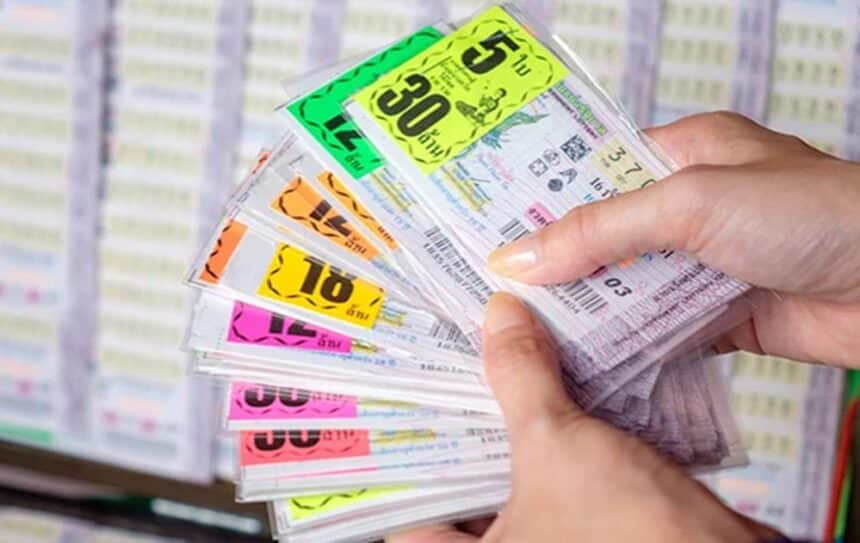
BANGKOK – Lottery fever has been part of daily life in Thailand for decades. Now it’s shifting online. Sites like Lotto Thaibet and other online lottery betting platforms are changing how people play. Users can place bets on draw results without buying an official paper ticket. These sites promote bigger payouts, quick access, and more betting choices. They also sit in a legal grey area, which brings up concerns about rules, addiction, and fair play.
Lotto Thaibet, found through domains like lotto-thaibet.com and related variants, is one of several platforms aimed at Thai players who want แทงหวยออนไลน์ (online lottery betting). Instead of buying tickets from street sellers, users bet on the outcome of different draws.
Options often include the Thai Government Lottery, the Lao lottery, Hanoi (Vietnamese) draws, Malaysian lottery games, and some stock-based or international results.
To use the service, players sign up, add money through bank transfer or e-wallets, then pick numbers and bet types. Popular options include two-digit (below), three-digit (above), or full sets. Many platforms advertise payouts that look far higher than the official lottery, such as up to 900 baht for every 1 baht placed on certain bets. Lotto Thaibet markets itself as a top choice in Thailand, highlighting 24/7 access, mobile use, and quick withdrawals.
Other sites, including Thailottobet and many similar names, crowd the market with the same message. You don’t need to queue at a kiosk or search for tickets being sold above face value. Everything happens on a phone.
Lotto Thaibet is Not the Same as Buying Official Tickets
The big difference is how the bet works. The official Thai Government Lottery is run by the Government Lottery Office (GLO). Players buy pre-printed physical tickets for draws held on the 1st and 16th of each month. Winners get paid based on matching the printed numbers, and around 60 percent of ticket sales go back to players as prizes.
Platforms like Lotto Thaibet don’t sell GLO tickets. They work more like bookmakers. You’re betting against the site on what the official draw will show. If your numbers match the results, the platform pays you from its own funds. T
hese sites often offer better-looking odds, partly because they don’t carry the same costs as the GLO. Many also add credit deals, bonuses, or promotions to pull users in.
This approach goes beyond the Thai draw. Many platforms include ยี่กี (Jing Chak) with frequent rounds, overseas lotteries, and huay hun (stock lotteries linked to market numbers). It’s not the same as joining the state lottery. It’s gambling on the results, plus a long list of extra games.
For younger Thais who are used to mobile payments and apps, it’s an easy switch. Online comments often say the same thing: it’s simpler, and the payouts look better. Draws can happen far more often, and results show up right away.
A Surge in Demand as More People Move Online
Lottery play runs deep in Thailand. In recent years, around 19 million adults took part in the official lottery, spending billions of baht each year. At the same time, underground huay taidin (informal bets on the same numbers) has stayed huge, often estimated at four to five times the size of the legal market.
COVID-19 pushed even more players online. During periods when physical sales were limited, online betting sites filled the gap. Today, even with government blocks, many users still reach these platforms using VPNs or mirror sites. Promotions spread quickly through social media, Facebook pages, and Line groups. The ads target everyone, from office workers in Bangkok to players in rural areas.
Analysts often put the online lottery betting market at tens of billions of baht a year, driven by high payout claims and the wide menu of games. Some sites promote “chud” (number sets) for Lao draws, plus high-frequency games for people who want quick results.
This is where things get complicated. Thailand’s Gambling Act of 1935 bans most gambling. There are only a couple of legal exceptions: the state lottery and horse racing at approved tracks.
Buying official GLO tickets, including through approved digital channels like Pao Tang, is legal. Betting on lottery outcomes with private operators is treated as illegal gambling.
Many online platforms run from overseas or operate in ways that make them hard to pin down. Authorities block websites and run raids from time to time, but enforcement tends to focus on operators, not everyday players. When users do get caught, fines are usually rare and small, often under 1,000 baht.
Legalities Surrounding Lotto Thaibet
As of late 2025, there haven’t been major legal changes that allow online betting. Talks around casino resorts and wider gambling reform slowed earlier this year, and online lottery betting still sits outside the law. The Ministry of Digital Economy and Society continues to block illegal websites, but new domains appear quickly.
Critics, including anti-gambling groups, flag the risks. They warn about addiction, scams from unlicensed operators, and possible links to money laundering. A spokesperson from the Stop Gambling Foundation says these sites use gaps in enforcement, and that higher payouts can also mean bigger losses for most players.
Supporters argue that online betting isn’t much different from long-running underground markets. They say regulation could bring tax revenue and safer rules for users.
Online lottery betting feels easy, but it comes with real downsides. Scams happen, and some sites disappear with user deposits. Problem gambling is also a serious concern. Frequent draws can make it easier to keep betting without stopping.
If people choose to play, basic safety steps help. Check a site’s reputation, stick to secure payment methods, and set clear spending limits. For those who want a regulated option, the GLO continues to promote official channels for safer play.
Thailand is modernising, and lottery habits are changing with it. Platforms like Lotto Thaibet show how quickly betting can move from street stalls to smartphone screens. Still, without clearer rules, these services remain in the shadows, popular with users, and controversial for regulators and families.
Whether reform arrives in 2026 or later, Thailand’s love of lottery numbers is not going away. What changes is how people place their bets and who they trust with their money.