





A flight delay can feel like being stuck in a slow-moving line that never ends. You’ve packed, planned, and paid, and now you’re watching the departure time slide later and later. The good news is that compensation for delayed or cancelled flights in Thailand is not guesswork in 2026.
Thailand’s Civil Aviation Authority rules set out what airlines must give you when your flight departs Thailand and is heavily delayed, cancelled, or you’re denied boarding.
In this guide, you’ll learn what “compensation” can mean (cash or an equal-value alternative), what “care” looks like (meals, hotel, transport, communication), how domestic and international rules differ, and how to file a claim without hiring a lawyer. You’ll also see why some flights can fall under more than one system, such as Thailand rules plus EU rules on certain routes.
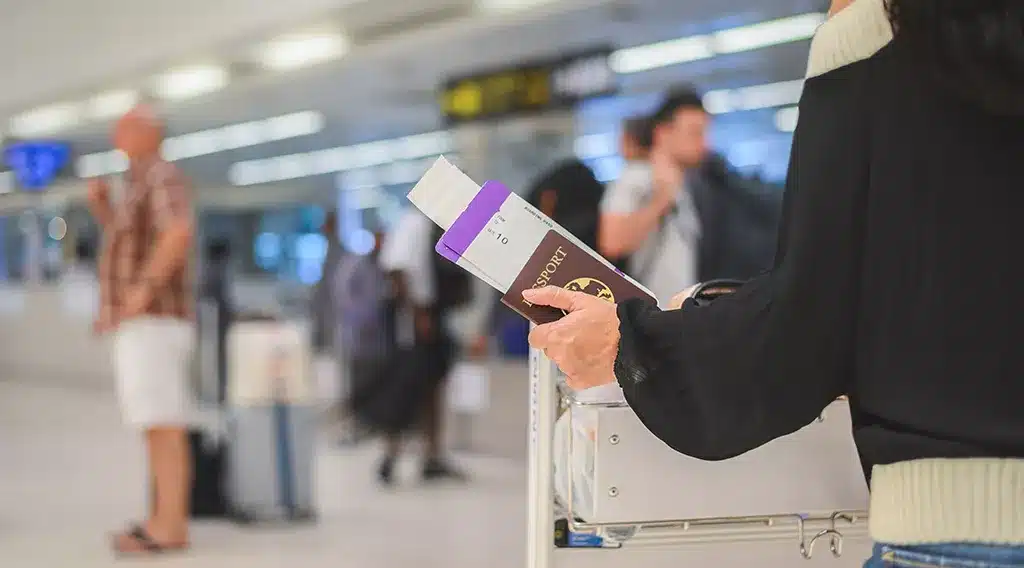
Thailand flight delay and cancellation compensation rules (what you can get)
Thailand’s passenger protection rules apply to scheduled flights departing Thailand, including flights within Thailand and international flights leaving Thai airports. They apply to Thai and foreign airlines.
Your rights usually fall into two buckets:
- Care (assistance): practical support while you wait, such as food, drinks, basic communication, and sometimes a hotel with airport transfers.
- Fixed compensation: set cash amounts for certain long delays and some cancellations, when the disruption is within the airline’s responsibility.
A key detail people miss: airlines may offer compensation as cash or as an alternative like a voucher, credit shell, or miles, but you generally shouldn’t accept a non-cash option unless you truly want it and it’s equal or better for you.
Another key detail: these rules focus on departures from Thailand. If you’re connecting, you might have rights under a second system too, depending on where the flight departs and which airline operates it.

International flights departing Thailand: compensation amounts by delay length and distance
For international flights that depart Thailand, the rules scale up based on how long the delay lasts and, for very long disruptions, how far you’re flying.
At a glance, here’s what travelers tend to search for and what it means in plain English.
| Situation (international, departing Thailand) | What the airline must provide |
|---|---|
| Delay around 2+ hours | Care such as food and drinks, plus basic communication and updates |
| Delay over 5 hours | Care, plus THB 1,500 (when the airline is responsible), and the choice to continue later or cancel for a refund |
| Delay over 10 hours | Care, plus distance-based cash compensation (below), and refund or rerouting options |
For delays over 10 hours, compensation is commonly described by one-way distance:
| One-way distance | Cash compensation (international) |
|---|---|
| Up to 1,500 km | THB 2,000 |
| 1,500 to 3,500 km | THB 3,500 |
| Over 3,500 km | THB 4,500 |
If you don’t want to travel after a major delay, you should be offered a refund. If you still want to go, you should be offered rerouting (a new flight) or another reasonable transport option, depending on what’s available.
If you want a quick, readable overview of how Thailand’s CAB Notification No. 101 was rolled out and what it covers, this summary is useful, and it links to the regulation PDF: CAAT upgrades passenger rights in new notification.

Domestic Thailand flights: delay and cancellation payouts (and what airlines must provide)
“Domestic” means both airports are in Thailand, like Bangkok to Chiang Mai, Phuket to Bangkok, or Krabi to Hat Yai.
For domestic flights, the fixed payments are different:
| Situation (domestic, departing Thailand) | What you can request |
|---|---|
| Delay over 5 hours | THB 1,200 (when the airline is responsible), plus care as needed |
| Cancellation (airline responsibility) | THB 1,500, plus refund or rebooking options, plus care as needed |
In real life, the most helpful thing is to ask for care early, not after you’ve already bought everything yourself.
At the airport, be direct. Ask the airline desk for: meal vouchers (or meals), clear written updates, and, if you’re stuck overnight, a hotel and airport transfers. If staff says “not possible,” ask them to note the refusal and the reason.

When airlines do not have to pay, and the situations that still deserve help
This is where many travelers give up too soon. A denied cash payout does not always mean you have no rights.
Airlines commonly refuse compensation by saying:
- “It was weather.”
- “Air traffic control limited departures.”
- “It was for safety.”
- “You were notified in time.”
Sometimes that’s valid. Sometimes it’s a blanket answer that doesn’t match what happened.
Even when fixed cash compensation isn’t owed, you may still be entitled to rebooking, a refund option, and care, depending on the situation and how long you’re stuck. Your goal is to separate the two questions:
- Is the airline required to pay fixed cash?
- Is the airline required to provide assistance and a way to complete the trip (or refund)?
Force majeure and other exceptions: weather, safety, and air traffic control
The simplest way to understand “force majeure” (also called extraordinary circumstances) is this: it’s something the airline couldn’t reasonably prevent, even if it did its job well.
Common examples include severe storms, airport closures, certain air traffic control restrictions, or major security events. In those cases, airlines often deny fixed cash compensation.
Still, don’t walk away empty-handed. Do two things:
First, ask for care anyway, because long waits still create basic needs.
Second, ask for written proof of the cause. One sentence is enough, like “Flight TGxxx delayed due to ATC flow restrictions” or “cancelled due to weather at destination.” Keep your own evidence too, such as screenshots of airport boards, weather reports, and any airline messages.
If the reason changes over time (it happens), save every update.
Cancellation notice timing and rerouting: the 7-day rule and “arrive close to original time” outcomes
With cancellations, timing matters. Many airline “passenger rights” notices and policies treat a 7-day window as a turning point.
If the airline tells you about a cancellation far enough in advance, it may argue that the fixed cash amount doesn’t apply, especially if it offers an acceptable alternative flight. If the airline tells you late, and the reroute arrives much later than planned, your claim is usually stronger.
To protect yourself, focus on what you can prove:
- When you were informed: check the timestamp on the email, SMS, or app alert.
- What you were offered: screenshot the reroute details.
- Scheduled vs actual arrival: keep the original itinerary, then save the final arrival time.
A simple habit helps: take screenshots the moment you see the change. Airlines can update app messages later, but your screenshot keeps the original record.

How to claim compensation in Thailand (step by step)
A claim is mostly paperwork. If you can book a flight online, you can file this.
Think of it like returning an item to a store. You need the receipt, the date, and a clear request.
What to do at the airport: ask for vouchers, a hotel, and a written delay or cancellation reason
Start at the airline service desk or gate staff. Be calm and specific, and don’t wait until you’re hungry.
A short script you can copy:
“I’m booked on flight [number] to [destination]. It’s delayed/cancelled. Please provide the assistance required under Thailand passenger rights, including meals and communication, and if needed a hotel and transport. Please also give me written confirmation of the delay length and the reason.”
Keep these items:
- Boarding pass (or e-boarding pass screenshot)
- Booking confirmation with your name and record locator
- Receipts for meals, transport, and hotel you paid yourself
- Screenshots of delay or cancellation notices
If you accept a voucher on the spot, ask what you’re giving up. If you’re unsure, request time to review it.
Submitting your claim and escalating to CAAT if needed
Once you’re home (or even the same day), submit a written claim to the airline via its official website form or customer service email.
Include:
- Passenger name, booking code, ticket number (if available)
- Flight number, date, route
- Scheduled departure and arrival times, actual times
- The amount you’re requesting (in THB), and whether you prefer cash
- Attachments: boarding pass, receipts, screenshots, and the written reason if you got one
If the airline ignores you or refuses without a clear explanation, escalate with your full paper trail to Thailand’s aviation regulator.
It also helps to read an airline’s own Thailand passenger rights notice so you can mirror their wording and categories when you write your claim. One example is Emirates’ overview of CAB 101: Thailand Passenger Rights | Rules and notices. The same as EasyJet flight delay compensation to click here.

Special cases travelers ask about (KLM, EasyJet, and flights connecting through Europe)
The biggest source of confusion is overlapping rules. A simple rule of thumb: the law that applies often depends on where the flight departs and which airline operates it.
Also, separate tickets change everything. If you booked two unrelated tickets (even if they connect), a delay on the first flight might not legally “protect” your second flight the way a single-ticket itinerary would.
KLM delays out of Bangkok: what to check before you file (and flight delay compensation KLM)
Example: Bangkok to Amsterdam on KLM.
Because the flight departs Thailand, Thailand’s passenger rights can apply. Because it arrives in the EU on an EU carrier, EU rules may also apply, depending on the exact itinerary and disruption facts.
Before you file, confirm three things:
- Was the delayed or cancelled flight the one departing Bangkok?
- How long was the delay measured at arrival, not just departure?
- What reason did KLM give, and is it consistent across messages?
When you submit, keep it factual and simple. Mention the route, date, and delay length, and request the amount you believe applies. If you’re researching flight delay compensation with KLM, be careful about accepting a voucher quickly, because you can lose the option to push for cash later if you sign away your claim.
EasyJet to or from Thailand, or separate tickets: avoid scams and know where to click
EasyJet usually operates in Europe, so most Thailand-related situations involve either a separate-ticket connection or a multi-airline trip where EasyJet is only one leg.
This is where people get burned: if your Bangkok flight is late and you miss an EasyJet flight in Europe booked on a separate ticket, you may have limited rights against EasyJet, because EasyJet didn’t cause the missed connection.
Another risk is search ads and look-alike sites. Travelers often type the phrase “EasyJet flight delay compensation to click here” because they want the fastest path to a form. That’s exactly why scammers build fake pages.
Use two checks before you enter passport details or bank info:
- Confirm you are on the airline’s official domain.
- Don’t upload documents to a site that reached you through a random ad without verifying it first.
If you used a travel agent or booking site, you can still file directly with the airline. The agent may help, but they can’t usually claim the compensation for you unless you authorize it.
Conclusion
Thailand’s rules give real structure to a bad travel day: clear cash amounts for long disruptions, plus care like meals and hotels when delays drag on. Domestic and international payouts differ, and exceptions like severe weather can block fixed cash, but you should still ask for help and written proof of the cause.
Your next steps are simple: save evidence, file with the airline in writing, then escalate to CAAT if the response doesn’t match the facts. Keeping calm and being organized is often the difference between getting paid and getting ignored.