





Chiang Rai feels like Chiang Mai’s calmer cousin. It’s smaller, easier to get around, and you can see a lot in 1 to 3 days without rushing. The best part is how well the days fall into place: a big sight, a short ride, then a cheap and tasty bite.
This guide keeps it simple and practical. You’ll get the top attractions, the best times to go, how long to stay, and what to eat nearby so you don’t lose momentum. Think of Chiang Rai like a great playlist; you want the hits, but you also want smooth transitions.
Start with Chiang Rai’s most jaw-dropping temples (and the best streeteat breaks nearby)
Chiang Rai’s famous temples aren’t subtle. They’re bright, bold, and built for jaw drops. Plan your temple visits early or late because midday heat and tour groups stack up fast, especially in peak season like February.
A few quick basics help everywhere. Wear clothes that cover shoulders and knees. Bring something to cover up if you’re in a tank top. Take your shoes off in worship areas, and speak softly inside halls. For photos, morning light is softer, and crowds are thinner, so your shots look cleaner.
Here’s a fast way to plan the big stops and keep your energy up with a food break.
| Place | Best time | Time to spend | Eat after (simple idea) |
|---|---|---|---|
| White Temple (Wat Rong Khun) | 8 a.m. or after lunch | 60 to 90 minutes | Cold drink, grilled chicken, sticky rice |
| Blue Temple (Wat Rong Suea Ten) | Late afternoon to evening | 30 to 60 minutes | Fruit shake, roti, skewers |
| Wat Huay Pla Kang | Near sunset | 60 to 90 minutes | Noodles or fried snacks at busy vendors |
| Old city temples (Wat Phra Kaew area) | Early morning | 30 to 60 minutes | Coffee and a small savory bite |
If you only have one full day, start with the White Temple in the morning, then come back to the city for evening temples and a market dinner.


White Temple (Wat Rong Khun): what to look for, how to beat the crowds, and where to refuel
Wat Rong Khun is the one everyone recognizes. The white exterior shines with glass pieces, so it sparkles under the sun. Up close, it feels part temple, part art exhibit. The design is modern, full of symbols, and it’s still being built, so the site can change over time.
Hours are typically 8 a.m. to 5 p.m. Crowds usually hit hard from about 9 a.m. to 1 p.m. because day tours roll in from Chiang Mai. If you can, arrive right at 8 a.m. You’ll get cooler air, fewer people in your photos, and less waiting for the bridge area.
Give yourself 60 to 90 minutes. That’s enough time for the main temple, the grounds, and a slower walk for details. The bright white can blow out your camera exposure, so tap to lower the brightness on your phone before you shoot. Sunglasses help too because the glare is real.
Keep temple manners in mind. Dress modestly, and don’t pose in ways that feel disrespectful inside sacred spaces. Also, watch your step on glossy surfaces, especially if you’re in sandals.
When you leave, you’ll probably want something cold first. Water and a sweet drink hit the spot after that sun. If you’re saving your main meal for later, grab a light snack now, like grilled skewers or sticky rice with something savory. Then aim for a market-style dinner back in town, where you can browse and eat at the same time. It’s an easy way to turn a big morning attraction into a relaxed evening.
If the White Temple is your main goal, build the day around it. Go early, hydrate, then eat later in the city when options multiply.

Blue Temple (Wat Rong Suea Ten) and Wat Huay Pla Kang: color, calm vibes, and easy food stops
The Blue Temple, Wat Rong Suea Ten, feels like a different planet from the White Temple. Instead of bright white and sharp glare, you get deep blue walls, gold trim, and painted murals that pull your eyes upward. The main Buddha inside is huge, and the color makes the whole hall feel cool, even on a warm day.
It’s generally open from early morning to evening (often around 7 a.m. to 8 p.m.). Because it’s closer to town, it’s easier to fit in before dinner. Late afternoon is a sweet spot because the light turns warm, and the air cools down. In the evening, the temple can glow under lights, which changes the mood again.
Plan 30 to 60 minutes here. You don’t need a long visit unless you love photography. Even then, the best shots come fast if you time the light.
Next, pair it with Wat Huay Pla Kang for a totally different feel. This complex is known for its towering Guan Yin statue and a multi-story pagoda with viewpoints. Hours are often around 7 a.m. to 9 p.m. Sunset works well because you get softer skies, and the view feels bigger. If you don’t love stairs, note that the elevator up the statue can have a small fee, while walking areas are usually free to enter.
Give Wat Huay Pla Kang 60 to 90 minutes if you want viewpoints and a slow walk. Wear shoes with grip because steps can be slick, and bring mosquito spray if you linger after dark.
Food is easy to keep casual around these stops. Go for things you can eat quickly, like grilled pork skewers, a banana roti, or a fruit shake. If you’re spice-shy, keep it simple and save the bold flavors for the night market, where you can sample small portions.
Beyond temples: culture, viewpoints, and nature that make Chiang Rai feel different
Chiang Rai isn’t just temples and selfies. The city sits close to borders, hills, and art spaces that feel personal and a little strange in the best way. This is where the trip starts to feel like northern Thailand, not just a checklist.
Keep logistics in mind. Some places sit near the town and work as half-day stops. Others are day trips with winding roads. If you get carsick, take motion sickness tablets before you leave. Also pack sunscreen and a hat, even in the cool season. February sun still bites.
Choose based on your travel style. Art lovers do best with museums and parks. View hunters should head north for rivers and hills. If you want green air and a slower pace, aim for tea fields and gardens.

Black House (Baan Dam) and Mae Fah Luang Art and Culture Park for a deeper look at local art
Baan Dam, also called the Black House, is not a temple. It’s an art museum space with dark wooden buildings and unusual displays. The mood is intense, almost like walking through a dream that turns a little eerie. Some rooms feature bones and animal skins, so it’s not for everyone. Still, it’s one of Chiang Rai’s most talked-about cultural stops because it’s so different from the glossy temple circuit.
It typically opens around 9 a.m. to 5 p.m. Plan 60 to 90 minutes. Go earlier if you want a quieter visit, since midday can bring tour groups. If you’re traveling with kids, decide in advance how you’ll handle the darker exhibits. Some families love it, others leave fast.
Mae Fah Luang Art and Culture Park offers a softer counterpoint. It’s more about northern heritage, art, and calm surroundings. Info and hours can vary, so it’s smart to check locally before you go, especially if you’re visiting around holidays. When it’s open, it’s a good place to slow down, reset your brain, and get out of traffic.
After either stop, reward yourself with something simple. Chiang Rai does iced coffee well, and coconut ice cream is a perfect cool-down. If you’re hungry, look for a busy spot selling savory snacks, then save a bigger meal for the market later. That pacing keeps the day from feeling heavy.

Golden Triangle, tea hills, and gardens: easy day trips with big views
The Golden Triangle is one of those places that feels famous even before you arrive. It’s where Thailand, Laos, and Myanmar meet, and the viewpoint looks over the rivers that define the borders. Because it’s an open area, there aren’t set hours, so you can time it around light and traffic. Many people pair it with a museum stop nearby if they want context.
This trip works best for travelers who like history and geography, or anyone who wants to say, “I stood at the meeting point of three countries.” It’s also a good day to take it slow and enjoy the ride.
For green views, head to the tea hills. Choui Fong Tea Plantation is a popular stop, known for neat rows of tea plants and a cafe view. Hours are often around 8 a.m. to 8 p.m. Plan 45 to 90 minutes depending on how long you linger for photos and drinks. Tea is light and refreshing, which helps after a long drive.
Doi Tung gardens are another cool-season favorite. The air tends to feel fresher up in the hills, and the scenery is a nice break from city streets. Exact hours can vary by area, so check when you arrive. Expect a half-day if you combine gardens with nearby viewpoints.
A comfort note matters here. Roads can be winding, so eat lightly before sharp turns. Bring a hat and sunscreen because viewpoints have little shade. Also plan food stops because options can be spread out. When you do find a busy local place, take the chance. A hot soup, grilled meat, or sticky rice can turn a long drive into a good memory.

Where to find the best streeteat in Chiang Rai (and what to order first)
Chiang Rai’s streeteat scene is friendly and budget-safe. You don’t need a fancy plan; you just need to know where to look and how to order without stress. Night markets and walking streets are your best friends because you can scan options, see what’s fresh, and sit down with shared tables.
Use a simple stall check before you buy:
- Choose busy stalls because turnover keeps food fresh.
- Watch for heat; steaming pots and sizzling grills are good signs.
- Check the prep area; you want clean surfaces and tongs, not bare hands on everything.
- Go bottled for water, and add ice only if you trust the place.
Ordering is easy too. If you don’t want spicy, say “mai pet”. If you want a little heat, try “pet nit noi”. Most vendors get it, and they’ll often serve chili on the side anyway.
Night Bazaar and weekend walking streets: the easiest places to try many dishes in one night
Chiang Rai Night Bazaar is the easiest food win in town. It’s typically open from about 6 p.m. to midnight. You’ll find rows of food stalls, simple seating, and a mix of tourists and locals. On some nights, you might catch live music nearby, which makes dinner feel like an event.
Go hungry, but don’t order one giant plate right away. Instead, share a few small items so you can try more. Arrive early if you want the best choice of seats, especially in peak season. Cash helps because many small vendors still prefer it.
Weekend walking streets can feel even more local, with crafts and food mixed together. Hours vary, but the vibe is similar: lots of choices, bright lights, and a slow stroll between bites. If you like the idea of dinner as a casual scavenger hunt, this is your place.
One small tip saves time. When you spot something you really want, buy it. Popular items sell out, and the line can grow fast. Then grab a drink like a fruit smoothie or Thai iced tea, find a seat, and let the night run long.
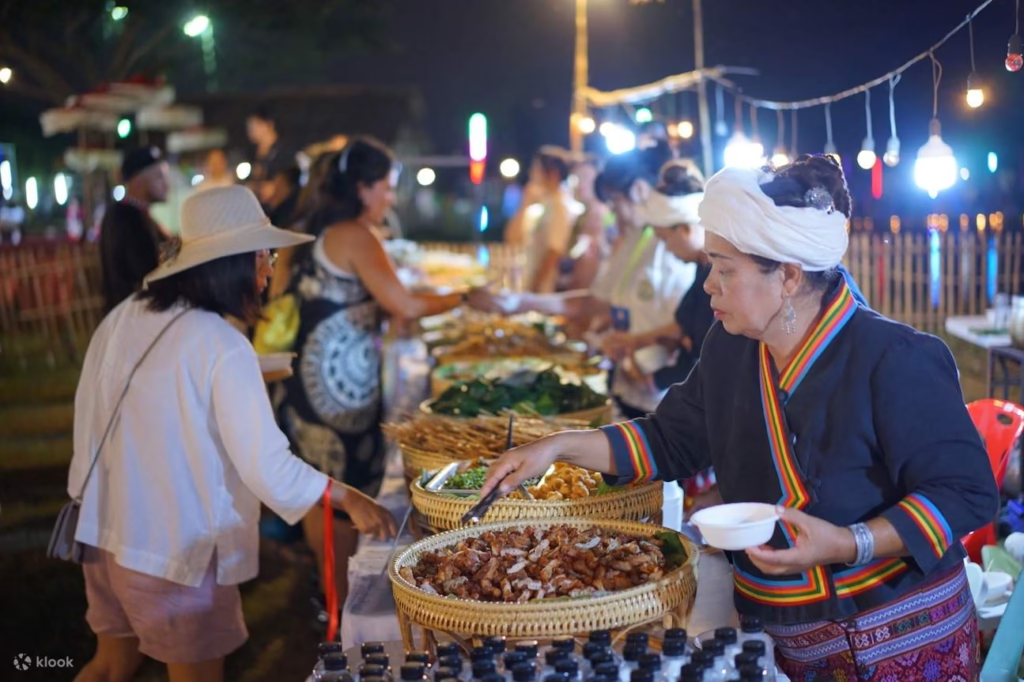
Must try northern Thai bites in Chiang Rai: khao soi, nam ngiao, sai ua, and sweet treats
Northern Thai food hits a balance of rich, herbal, and salty, with spice on your terms. Start with these classics because they show the region’s flavor without feeling risky.
Khao soi is a creamy curry noodle soup, usually with chicken. It’s rich, a little sweet, and often served with crunchy noodles on top. Add lime and pickled greens if they’re on the side. That tang cuts the broth and keeps every bite lively.
Nam ngiao is a northern noodle soup with a red tomato-based broth. It can include pork and sometimes blood cubes, although versions vary. The taste is savory and bright, especially with fresh herbs. If you like soups that feel lighter than khao soi, this one fits.
Sai ua is northern sausage packed with herbs. It’s fragrant, slightly spicy, and great with sticky rice. Think of it as the snack that turns into dinner because you keep going back for one more bite.
For sweets, mango sticky rice is the well-known choice, but you’ll also see coconut desserts, roti with condensed milk, and colorful jellies. Finish with fruit, especially if you’ve eaten a lot of grilled food.
Most market items are cheap, often under 100 THB per dish, depending on what you order. That’s why sharing works so well. You can sample more, waste less, and learn what you actually love.
A good market meal is like a tasting flight. Pick one soup, one grilled item, and one sweet, then adjust from there.
Conclusion
Chiang Rai rewards simple planning. Start with temples in the morning, shift to art and viewpoints in the afternoon, then end at a market when the air cools. Save this list, pace yourself, and don’t treat meals as an afterthought because the best memories often come on a plastic chair with a warm bowl in front of you. Most of all, keep room for one more streeteat before you call it a night.


