Stepping out of the van near Chiang Rai’s White Temple for the first time feels a bit unreal. The building looks like ice, glass, and snow pulled into the shape of a temple, with mirrors catching the sun from every angle.
- Key Takeaways From This Chiang Rai Temple Tour Guide
- What Is a Chiang Rai Temple Tour and Who Is It For?
- Top Temples and Stops on a Chiang Rai Temple Tour
- White Temple (Wat Rong Khun): The Iconic Highlight of Any Chiang Rai Temple Tour
- Blue Temple (Wat Rong Suea Ten): Vivid Colors and Photo‑Friendly Details
- Wat Huay Pla Kang: Giant Guan Yin Statue and Hilltop Views
- Black House (Baan Dam Museum) and Other Optional Cultural Stops
- Sample Chiang Rai Temple Tour Itineraries You Can Copy
- Full‑Day Chiang Rai Temple Tour From Chiang Mai (Long Day Trip)
- Half‑Day Chiang Rai Temple Tour From Chiang Rai City
- Chiang Rai Temple Tour Price and Typical Costs
- Group Tour Prices From Chiang Mai and Chiang Rai
- What a Chiang Rai Private Tour Costs and When It Makes Sense
- Daily Budget: Entrance Fees, Food, and Small Extras
- Group Tour or Private Tour: Which Chiang Rai Temple Tour Is Better?
- When a Group Day Tour Is Enough
- When a Chiang Rai Private Tour Is Worth the Extra Cost
- From Chiang Mai vs From Chiang Rai: Travel Time, Cost, and Comfort
- What to Expect and How to Prepare for Your Chiang Rai Temple Tour
- Dress Code and Temple Etiquette Made Simple
- Weather, Comfort, and Accessibility Tips
- Temple Behavior and Monk Ceremonies
- Popular Add‑Ons: Hot Springs, Tea Plantations, and the Golden Triangle
- Mae Kachan Hot Springs on the Trip From Chiang Mai
- Choui Fong Tea Plantations and Chiang Rai Tea Plantation Tours
- Golden Triangle, Mekong River Views, and Long Neck Villages
- Is a Chiang Rai Temple Tour Worth It?
- Frequently Asked Questions About Chiang Rai Temple Tours
- What temples are usually included in a Chiang Rai temple tour?
- How long does a Chiang Rai temple tour take?
- Is a guided Chiang Rai temple tour worth it?
- What should I wear on a Chiang Rai temple tour?
- When is the best time of day to do a Chiang Rai temple tour?
- Can I visit Chiang Rai temples without a tour?
- Is a Chiang Rai tour from Chiang Mai too tiring for a day trip?
- Conclusion
A typical Chiang rai temple tour is the easy way to see this and other famous sites in one day. You travel by air‑conditioned van, stop at a few key temples, have lunch, and get simple explanations about the art and local traditions.
This guide is written for first‑time visitors, culture and photography fans, and anyone planning a day trip from Chiang Mai or a shorter tour from Chiang Rai city. It explains which temples you will see, sample itineraries, normal time and cost, how to choose between group and Chiang Rai private tour options, and common add‑ons like hot springs, tea plantations, and the Golden Triangle.
Key Takeaways From This Chiang Rai Temple Tour Guide
- Most tours visit the White Temple (Wat Rong Khun), Blue Temple (Wat Rong Suea Ten), and Wat Huay Pla Kang.
- A full day Chiang Rai tour from Chiang Mai usually lasts 12 to 14 hours door to door.
- A typical Chiang Rai temple tour price for a group trip runs around 1,650 to 4,800 THB (about 33 to 140 USD) per person.
- Packages often include air‑conditioned transport, an English‑speaking guide, some entrance fees, and sometimes lunch.
- Dress modestly, with shoulders and knees covered, and remove shoes before entering main halls.
- Early morning or late afternoon brings softer light, fewer crowds, and cooler weather at the temples.
- Many visitors do a long day trip from Chiang Mai, while others stay in Chiang Rai city and choose a shorter route.
What Is a Chiang Rai Temple Tour and Who Is It For?

A Chiang Rai temple tour is a set route that covers several religious landmarks and a few nearby cultural sites in one trip. Most Chiang Rai temple tour packages use a van or minibus, pick up from hotels, and follow a fixed schedule.
For many visitors, this offers an easy first look at Chiang Rai’s modern Buddhist architecture and simple insight into local customs. The style is straightforward: drive, stop, walk, learn a little, take photos, move on.
The tour format suits first‑time visitors to northern Thailand, people on a Chiang Rai tour from Chiang Mai who do not want to change hotels, and travelers already in Chiang Rai province who prefer not to plan every detail alone. It works well for anyone who likes art and sculptures, colorful temples, and clear basic explanations.
Both group tours and Chiang Rai private tour options are common. The rest of this guide helps you choose which style matches your budget and pace.
How a Typical Chiang Rai Temple Tour Works
Most tours start with hotel pickup in an air‑conditioned van. From Chiang Mai, the drive to Chiang Rai takes about three hours each way. From Chiang Rai city, it is much shorter.
A typical day includes:
- 2 to 4 temple visits
- Lunch at a local restaurant
- Short breaks for snacks, toilets, and fuel
- Possible extra stops such as Mae Kachan hot springs
On a group tour, an English‑speaking guide explains key temple features and basic etiquette. Most packages include some entrance fees, such as the White Temple ticket, but not always every optional cost.
Walking is moderate. Expect short walks from the parking areas, climbing some stairs at Wat Huay Pla Kang, and standing at photo spots. Bathroom breaks are regular at fuel stations, restaurants, and major Chiang Rai tourist attractions.
Is a Chiang Rai Temple Tour Right for You?
This style of trip fits people who enjoy cultural sites, want to see famous Chiang Rai temples in one go, and like having a clear schedule. It is also good for photographers who want strong visuals with minimum planning.
A full day Chiang Rai tour from Chiang Mai includes a long drive in both directions, so it can feel tiring, especially in hot months. Travelers who dislike fixed times or who already understand Thai temple etiquette may prefer to rent a car or scooter and move at their own pace.
Nervous first‑timers, solo travelers, or families often feel more relaxed joining a group with a guide. Those who want a deeper mix of temples, tea fields, and countryside can build their plans around a Chiang Rai travel guide 2025 – White Temple highlights and stay several nights.
Top Temples and Stops on a Chiang Rai Temple Tour
Most itineraries focus on three main sites: the White Temple, the Blue Temple, and Wat Huay Pla Kang. Some trips add the dark, art‑focused Black House, and a few include smaller historic temples in town.
Knowing what you are looking at helps the visit feel less confusing. The notes below give simple context without heavy detail.
White Temple (Wat Rong Khun): The Iconic Highlight of Any Chiang Rai Temple Tour

Photo by Piya Nimityongskul
The White Temple, or Wat Rong Khun, is a modern Buddhist temple and art project by Thai artist Chalermchai Kositpipat. Instead of classic gold Lanna architecture, it uses bright white plaster and tiny mirror tiles that sparkle in the sun.
The bridge over the pit of reaching hands, demon faces, and sharp spires show ideas about desire, suffering, and the path to peace. Inside, murals mix old Buddhist themes with modern figures from pop culture and world events. For a deeper backstory, you can read the detailed History of Wat Rong Khun (White Temple).
- Admission fee: in late 2025, foreign visitors usually pay around 100 THB, with a confirmed increase to 200 THB from 2026, as explained in this Wat Rong Khun admission cost update.
- Visit time: about 1 to 1.5 hours.
- Dress code: shoulders and knees covered, no see‑through or very tight clothes, shoes off in main hall.
Photo tips:
- Light is softest just after opening and in late afternoon.
- Classic shots include the full temple and reflection in the pond, plus close‑ups of mirror details.
- For fewer crowds, stay to one side of the main bridge and wait for a gap in tour groups.
Blue Temple (Wat Rong Suea Ten): Vivid Colors and Photo‑Friendly Details

The Blue Temple, or Wat Rong Suea Ten, is known for deep blue walls, sharp gold trim, and a glowing white Buddha statue inside. It is a newer temple, built by a student of Chalermchai, and blends modern art with local Buddhist themes.
The mood feels more compact and less intense than the White Temple, but the colors are strong and very photogenic.
- Admission: often free, though visitors should check signs on arrival, as policies can change.
- Visit time: about 45 to 60 minutes.
- Crowds: busiest from mid‑morning to mid‑afternoon, when tour buses arrive.
Wat Huay Pla Kang: Giant Guan Yin Statue and Hilltop Views
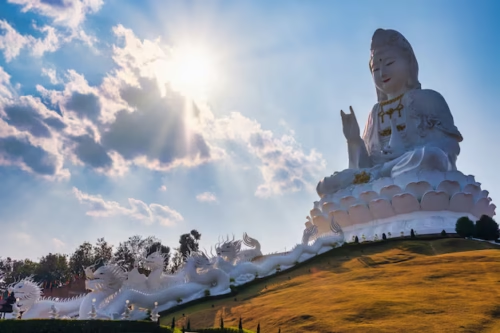
Wat Huay Pla Kang sits on a hill outside town. The site has three main parts: a huge white statue of Guan Yin (often called a Big Buddha by visitors), a tall pagoda, and a main temple building.
Visitors can climb the stairs or take a small lift (when operating) inside the statue to see views across Chiang Rai city and the surrounding hills. The atmosphere is usually calmer than at the White Temple, with more space to sit or stand quietly.
- Visit time: about 1 to 1.5 hours.
- Mobility: there are slopes and staircases, so older visitors or anyone with knee issues should move slowly and consider the lift if open.
Black House (Baan Dam Museum) and Other Optional Cultural Stops

The Black House, or Baan Dam Museum, is not a temple. It is a group of dark wooden buildings filled with art by Thawan Duchanee, often called a black museum.
The mood is heavier and more reflective, with animal bones, skins, and carved furniture exploring themes of death and desire. Many tours combine White Temple, Blue Temple, and Black House Baan Dam in one loop.
Some routes also pass older historic temples in the city, such as Wat Phra Kaew, which shows classic Lanna architecture and once held the Emerald Buddha.
Sample Chiang Rai Temple Tour Itineraries You Can Copy
Tour companies adjust routes and times, but a few sample plans show what a real day looks like. Use these examples to compare offers and build your own Chiang Rai temple tour itinerary.
Full‑Day Chiang Rai Temple Tour From Chiang Mai (Long Day Trip)
- 07:00 – Hotel pick‑up in Chiang Mai, tour start, air‑conditioned van.
- 09:30 – Short stop at Mae Kachan hot springs for toilets, coffee, and a quick foot dip.
- 11:00 – Visit White Temple (Wat Rong Khun).
- 13:00 – Lunch at a local restaurant near the temple.
- 14:00 – Visit Blue Temple (Wat Rong Suea Ten).
- 15:00 – Visit Wat Huay Pla Kang, hilltop views.
- 16:30 – Drive back to Chiang Mai, possible snack or souvenir stop on the highway.
- 19:30 – Drop‑off at hotels in Chiang Mai.
The day feels full but manageable for most people with normal fitness. The long drive on both sides is the hardest part. Simple tips include carrying snacks and water, using a neck pillow, downloading offline music or podcasts, and wearing layers in case the van air‑conditioning feels cold.
Half‑Day Chiang Rai Temple Tour From Chiang Rai City
- 08:30 – Pick‑up at hotel in Chiang Rai city.
- 09:00 – Visit White Temple (Wat Rong Khun).
- 10:45 – Visit Blue Temple.
- 11:45 – Visit Wat Huay Pla Kang.
- 12:45 – Optional quick lunch stop or drop‑off back in the city.
Total time is around 4 to 5 hours. This format suits travelers who already stay in Chiang Rai province and who dislike long drives. With a Chiang Rai private tour, times can shift earlier or later, and you can add a café stop or a quiet viewpoint if you move quickly at the temples.
Chiang Rai Temple Tour Price and Typical Costs
Prices change with season, fuel costs, and company style, but you can still use clear ranges to plan a daily budget. When people talk about a “typical Chiang Rai temple tour price” they usually mean a group van tour that includes transport and a guide.
Group Tour Prices From Chiang Mai and Chiang Rai
Group day tours from Chiang Mai are the most common and budget‑friendly option.
- From Chiang Mai: around 1,650 to 4,800 THB per person (about 33 to 140 USD), depending on group size, whether lunch is included, and if the Golden Triangle or other distant stops are added.
- From Chiang Rai city: usually cheaper and shorter, often 800 to 1,500 THB per person (about 16 to 45 USD) for half‑day or simple full‑day trips.
In both cases, packages often include air‑conditioned transport, guide services, and some entrance fees. Lunch at a local restaurant may be part of the price, especially on higher‑end options.
What a Chiang Rai Private Tour Costs and When It Makes Sense
A Chiang Rai private tour usually means hiring a car or van with a driver and, sometimes, a separate guide.
- Common cost: around 4,200 to 4,800 THB total (about 120 to 140 USD) for a full day, with higher rates from international brands or with extra stops far from town.
This format makes sense for:
- Groups of 3 to 6 people who can share the fee.
- Families with kids or older travelers who need a slower pace.
- Serious photographers who want to stay longer at the White Temple or Blue Temple.
- Visitors who want to add Choui Fong tea plantations, a Chiang Rai Tea Plantation Tour, or Golden Triangle viewpoints.
Shared between several people, the overall Chiang Rai temple tour cost can be close to a high‑end group tour, but with much more control over timing.
Daily Budget: Entrance Fees, Food, and Small Extras
Even with a package, it helps to carry cash.
Plan for:
- White Temple entrance: about 100 THB in 2025 for foreign visitors.
- Optional lift inside the Guan Yin statue at Wat Huay Pla Kang: around 40 to 50 THB.
- Lunch at a local restaurant if not included: 80 to 200 THB per person.
- Coffee, tea, or snacks: 30 to 100 THB per stop.
- Small tips for guide and driver: 50 to 150 THB per traveler is common on group tours.
Card payments are not always accepted at small shops, so bring Thai baht in small notes.
Group Tour or Private Tour: Which Chiang Rai Temple Tour Is Better?
Many travelers feel unsure choosing between a group trip and a private car. The choice depends on budget, how much flexibility you want, and where your tour starts.
The notes below compare both styles and also explain the difference between starting in Chiang Mai or Chiang Rai.
When a Group Day Tour Is Enough
Group tours work well for many visitors.
Pros:
- Lower cost per person.
- Simple planning and fixed schedule.
- Chance to meet other travelers.
Cons:
- Less freedom to stay longer at a favorite temple.
- Need to wait for slower group members.
- Fixed photo stops and less control over time of day.
For first‑time visitors on a moderate budget, and solo travelers who prefer not to arrange transport, a standard group day tour is usually enough.
When a Chiang Rai Private Tour Is Worth the Extra Cost
Private tours give more control.
Benefits include:
- Flexible start time, useful to avoid midday heat.
- Extra time at each temple and freedom to add cafés or view points.
- Easy to include Mae Kachan hot springs, tea plantations, or the Golden Triangle and long neck village stops.
- Gentler pace for families with young children or older relatives.
From Chiang Mai, a private car can help you reach the White Temple early, before large buses. From Chiang Rai city, a private driver makes it simple to explore more remote cultural sites.
From Chiang Mai vs From Chiang Rai: Travel Time, Cost, and Comfort
A simple comparison helps:
| Start point | One‑way travel time | Usual price range (group tours) | Best for |
|---|---|---|---|
| Chiang Mai | About 3 hours | 1,650–4,800 THB per person | Travelers who cannot change hotels but still want to see the main temples in one day. |
| Chiang Rai city | 20–40 minutes | 800–1,500 THB per person | Visitors who prefer short drives, half‑day trips, and more time at local markets and other things to do in Chiang Rai. |
A Chiang Rai tour from Chiang Mai makes sense for tight itineraries. Basing yourself in Chiang Rai allows slower visits, extra food stops, and side trips to tea fields or quiet viewpoints.
What to Expect and How to Prepare for Your Chiang Rai Temple Tour
This section answers many of the small questions that tour ads skip. The aim is simple: avoid surprises.
Dress Code and Temple Etiquette Made Simple
Basic dress rules apply at all temples:
- Cover shoulders and knees for all genders.
- Avoid see‑through or very tight clothes.
- Remove shoes and hats before entering main halls.
Core etiquette:
- Keep voices low and move calmly.
- Do not touch monks or sit very close to them.
- Avoid pointing your feet at Buddha images or climbing on statues for photos.
Anyone who wants more depth on respect in temples can later look for a Thailand temple etiquette guide on Chiang Rai Times or other reliable sources.
Weather, Comfort, and Accessibility Tips
Chiang Rai often feels hot and sunny at midday, with cooler mornings and evenings. In the rainy season, showers can be heavy but short.
Comfort checklist:
- Carry drinking water, sunscreen, and a hat.
- Bring a light scarf or shawl for extra cover in temple areas.
- In wet months, pack a small umbrella or rain jacket.
Accessibility points:
- Expect stairs and mild slopes at Wat Huay Pla Kang.
- Surfaces can be uneven at some sites.
- The long drive on a Chiang Rai tour from Chiang Mai means several hours seated.
Travelers with mobility or medical concerns should tell the operator before booking and ask about walking distances and bathroom stops.
Temple Behavior and Monk Ceremonies
If you see a monk ceremony or people praying:
- Stand or sit quietly at the back.
- Do not walk in front of worshippers or between people and Buddha statues.
- Avoid flash photography and strong light from phones.
Women should not touch monks or hand items to them directly. Both men and women should avoid kissing, hugging, or very physical behavior on temple grounds. Small mistakes are accepted if visitors act in good faith and try to be respectful.
Popular Add‑Ons: Hot Springs, Tea Plantations, and the Golden Triangle
Some Chiang Rai temple tour packages add extra stops to fill the long highway drive, especially when starting from Chiang Mai. These can be pleasant, as long as you know how much time they steal from the main temples.
Mae Kachan Hot Springs on the Trip From Chiang Mai
Mae Kachan hot springs sit by the main road between Chiang Mai and Chiang Rai. Most tours use them as a rest stop.
Typical activities:
- Toilet break and a short walk.
- Quick snack or coffee.
- Dipping feet in warm mineral pools.
Stops normally last 15 to 30 minutes. This is a roadside pause, not a full spa visit.
Choui Fong Tea Plantations and Chiang Rai Tea Plantation Tours

Some private tours or longer packages add Choui Fong tea plantations or similar farms. Visitors see rolling green tea fields, taste local brews, and take photos of the hills.
Reaching the fields takes extra time from the main road. Tours that include tea often cut time at one temple or skip other Chiang Rai tourist attractions.
Golden Triangle, Mekong River Views, and Long Neck Villages
The Golden Triangle is the meeting point of Thailand, Laos, and Myanmar along the Mekong River. Some extended day trips or multi‑day routes combine it with the White Temple and other sites.
Because the Golden Triangle is far from Chiang Mai, packing it into a single day with several temples makes for a very long schedule. Some tours also visit long neck villages, which raises questions about cultural sensitivity and how money supports local people.
Travelers interested in this region can look for a full guide to the Golden Triangle on Chiang Rai Times or similar sources and decide which style fits their values.
Is a Chiang Rai Temple Tour Worth It?
For many visitors, the answer is yes. The White Temple, Blue Temple, and Wat Huay Pla Kang offer a mix of modern Buddhist architecture, strong visual art, and views over the city. A set tour keeps planning simple and gives a clear frame to understand what you see.
The trip may feel less attractive to people who dislike crowds, long highway drives, or organized schedules. Nature‑focused travelers might prefer waterfalls and trekking instead.
Pros
- Easy way to see several major temples in one day.
- Strong photography spots and unique designs.
- Basic insight into local traditions with a guide.
Cons
- Long sitting time on a Chiang Rai tour from Chiang Mai.
- Crowds at peak hours, especially at the White Temple.
- Fixed schedule on group tours with limited flexibility.
Frequently Asked Questions About Chiang Rai Temple Tours
What temples are usually included in a Chiang Rai temple tour?
Most tours include the White Temple (Wat Rong Khun), the Blue Temple (Wat Rong Suea Ten), and Wat Huay Pla Kang. Many also stop at the Black House (Baan Dam Museum). Some shorter trips visit only two temples, while longer ones add small historic temples in the city.
How long does a Chiang Rai temple tour take?
A full‑day Chiang Rai temple tour from Chiang Mai often takes 12 to 14 hours from hotel pickup to drop‑off. A half‑day tour from Chiang Rai city usually lasts 4 to 6 hours. Traffic, the pace of each group, and extra stops like hot springs or tea plantations can change timing slightly.
Is a guided Chiang Rai temple tour worth it?
For most first‑time visitors, a guided tour is helpful. The guide explains the meaning behind the art and sculptures, reminds the group about dress rules, and handles all driving and parking. Independent travelers with extra time can visit alone, but many people find a guided chiang rai temple tour less stressful.
What should I wear on a Chiang Rai temple tour?
Wear light, breathable clothes that cover shoulders and knees. Closed shoes or sandals that you can slip on and off quickly are practical because you need to remove them in main halls. Many visitors bring a scarf or spare shirt in case their first top gets sweaty or feels too exposed.
When is the best time of day to do a Chiang Rai temple tour?
Tours run during the day, but early starts help you avoid strong heat and the biggest crowds, especially at the White Temple. Photographers often prefer early morning or late afternoon for softer light. From November to February, the weather is usually cooler and more pleasant.
Can I visit Chiang Rai temples without a tour?
Yes. If you stay in Chiang Rai city, you can hire local taxis, use ride apps, or rent a scooter to visit the main temples. This gives more freedom to choose times and stay longer. Visitors coming from Chiang Mai often find a day tour simpler because it covers the long drive and coordinates several stops.
Is a Chiang Rai tour from Chiang Mai too tiring for a day trip?
Many people do this day trip and enjoy it, but it is a long day, with around six hours in a van. Travelers who tire easily on buses, or families with very young children, may prefer staying at least one night in Chiang Rai and using shorter local tours instead.
Conclusion
A Chiang Rai temple tour gives clear structure to a day of bold art, bright colors, and calm views. You see the iconic White Temple, the Blue Temple, and Wat Huay Pla Kang, and you get a simple picture of how modern Buddhist architecture fits into local life.
Typical costs range from budget group tours up to flexible private vans that add tea plantations or Golden Triangle viewpoints. The key choice is between a group trip, which saves money, and a Chiang Rai private tour, which offers more time and control.
Next steps are simple: decide whether to start from Chiang Mai or Chiang Rai, compare a few tour offers, and cross‑check current prices and opening times. For wider planning around temples, markets, and countryside, it helps to read a complete Chiang Rai travel guide and other guides to things to do in Chiang Rai and in Chiang Mai. Then pack modest clothes, some cash, and a camera, and you are ready for a clear, well‑planned day among northern Thailand’s most famous temples.